What is causing the recent surge in panic buying at petrol pumps in Gujarat and the fuel shortages in Bangladesh? The answer lies in a mix of social media rumors and actual supply chain disruptions.
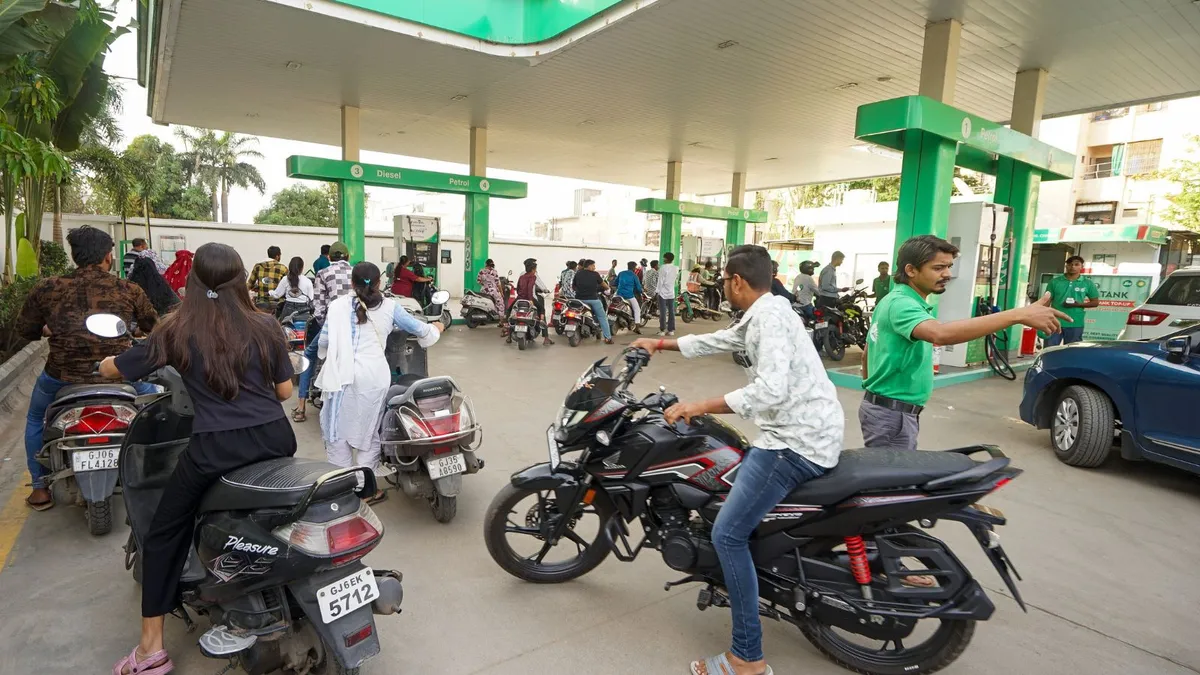
In Gujarat, long queues stretching up to five hours have formed at petrol stations as residents rushed to fill their tanks. However, authorities have confirmed that there is no actual shortage of petrol or diesel in the state. Dhimant Ghelani from the Federation of Gujarat Petroleum Dealers Association stated, “There is no actual shortage of petrol or diesel in the state.”
The panic buying was fueled by social media speculation, which led to unnecessary anxiety among consumers. Officials have assured that the situation is expected to normalize within this week itself, as temporary disruptions were primarily caused by recent holidays.
To further alleviate concerns, the Indian Oil Corporation (IOC) has introduced adjustments in lifting norms to ensure smoother fuel distribution across Gujarat. Dealers can collectively procure up to 20,000 litres of fuel at a time, which should help meet the demand.
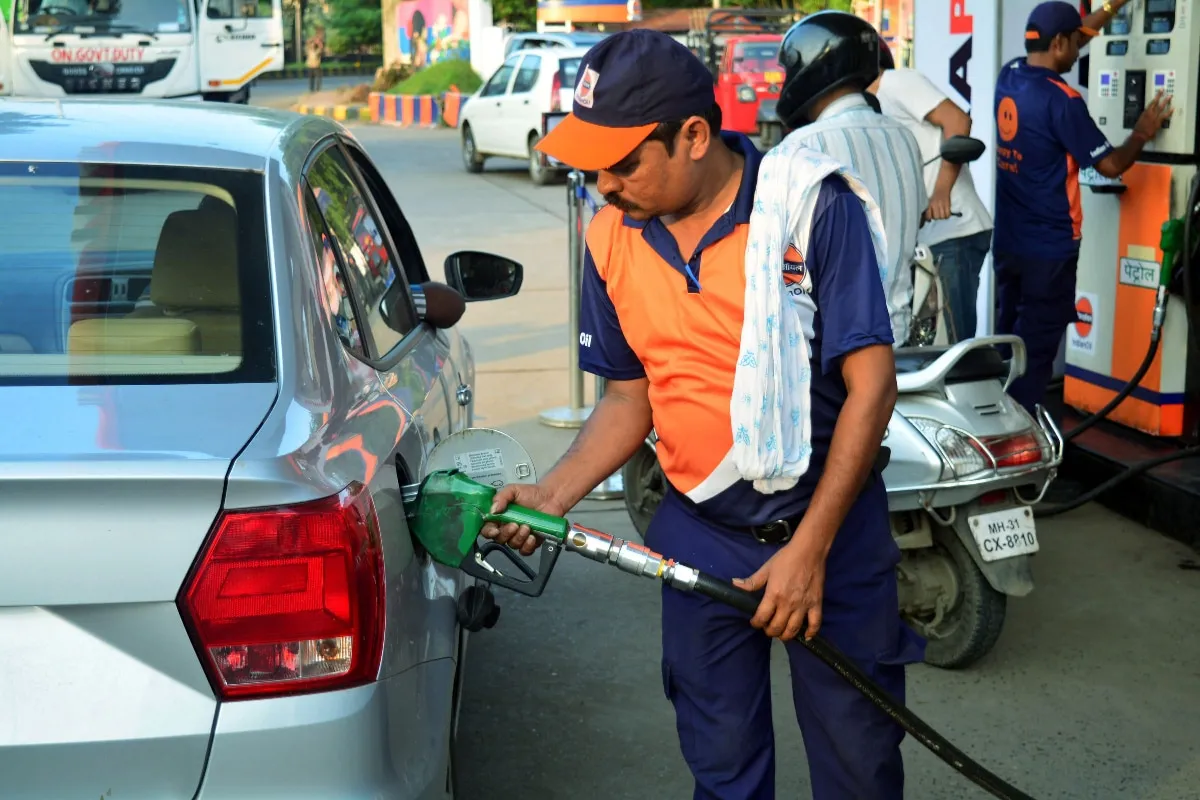
Meanwhile, the situation in Bangladesh is more dire. The Bangladesh Petrol Pump Owners’ Association has warned of potential petrol pump shutdowns due to ongoing fuel shortages. Many petrol stations in Dhaka and other regions have remained closed, exacerbating the crisis.
The fuel crunch in Bangladesh is linked to global supply disruptions, particularly those tied to escalating tensions in West Asia. This has created a ripple effect, leading to fears of shortages and further panic buying among consumers.
As both regions grapple with these challenges, the Federation of Gujarat Petroleum Dealers Association has reiterated that there is no need for alarm in Gujarat. However, the situation in Bangladesh remains precarious, with many petrol pumps still shuttered.
Details remain unconfirmed regarding the extent of the fuel crisis in Bangladesh, but the implications for consumers are clear: vigilance and preparedness are essential as the situation continues to evolve.