Who is involved
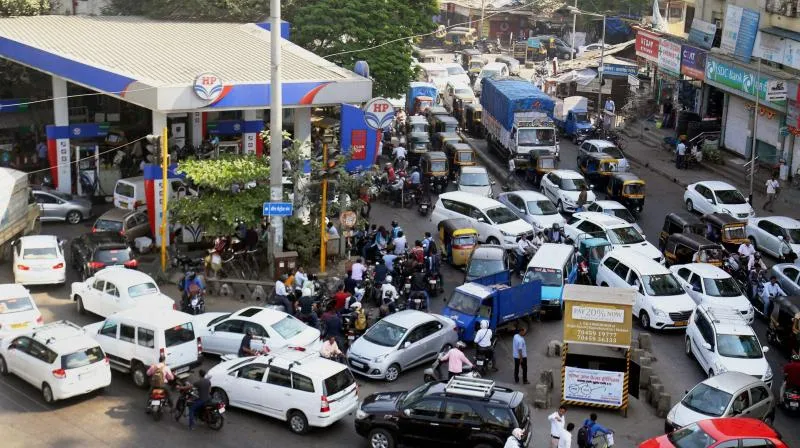
In a surprising turn of events, the Indian government has implemented a substantial reduction in excise duties on petrol and diesel, a move that stands in stark contrast to the prevailing expectations of rising fuel costs. Prior to this development, consumers braced themselves for a continuous surge in fuel prices, driven by international crude oil prices that had escalated from around $70 per barrel to nearly $122 per barrel. This alarming trend had raised concerns among the public, especially with state elections on the horizon, prompting fears of widespread discontent over soaring living costs.
On March 27, 2026, the government announced a cut in excise duty on petrol by Rs 10 per litre, bringing it down to Rs 3 per litre from the previous Rs 13. Diesel saw an even more dramatic change, with the excise duty slashed to zero from Rs 10 per litre. This decisive moment marked a significant shift in the government’s approach to managing fuel prices, as they faced a choice between passing on the full impact of rising crude prices to consumers or absorbing part of the shock. Oil Minister Hardeep Singh Puri emphasized this dilemma, stating, “The government faced a choice between passing on the full impact to consumers or absorbing part of the shock.”
Despite the excise duty cuts, the immediate effects on retail fuel prices have been somewhat muted. Oil marketing companies, which determine retail fuel prices based on global crude prices, exchange rates, and their margins, have kept pump prices unchanged following the duty revision. This has led to a situation where, although the government has reduced the burden of excise duties, consumers may not see a corresponding decrease in fuel prices. The Finance Minister, Nirmala Sitharaman, remarked that “the reduction in excise duty will provide protection to consumers from rise in prices,” yet many remain skeptical about the tangible benefits of this policy shift.
The backdrop to this decision is a troubling financial landscape for oil companies, which have been incurring significant losses estimated at around Rs 24 per litre on petrol and Rs 30 per litre on diesel. The government has also imposed export duties of INR 21.5 per litre on diesel and INR 29.5 per litre on aviation turbine fuel (ATF) to mitigate these losses. However, the excise duty cut is expected to lead to a staggering revenue loss of INR 1.75 lakh crore annually, raising questions about the long-term sustainability of this approach.
Experts suggest that while the excise duty cut may not directly lower fuel prices, it could serve to stabilize them amid global uncertainty. One analyst noted, “The cut may not make fuel cheaper, but it could stop prices from rising further at a time of global uncertainty.” This perspective underscores the delicate balance the government is attempting to strike between consumer protection and fiscal responsibility.
As the dust settles on this significant policy change, uncertainties linger regarding how quickly oil marketing companies will pass on the benefits of the duty cut to consumers. Details remain unconfirmed, and the long-term impact of the excise duty cut on retail fuel prices remains uncertain. The government’s decision to act in the face of rising global oil prices reflects a broader strategy to maintain public confidence and mitigate potential unrest ahead of crucial elections.
In summary, the excise duty cuts on petrol and diesel represent a bold maneuver by the Indian government to navigate the treacherous waters of fluctuating global oil prices while attempting to shield consumers from the brunt of these changes. As the situation evolves, all eyes will be on the oil marketing companies and their response to this unprecedented fiscal intervention.