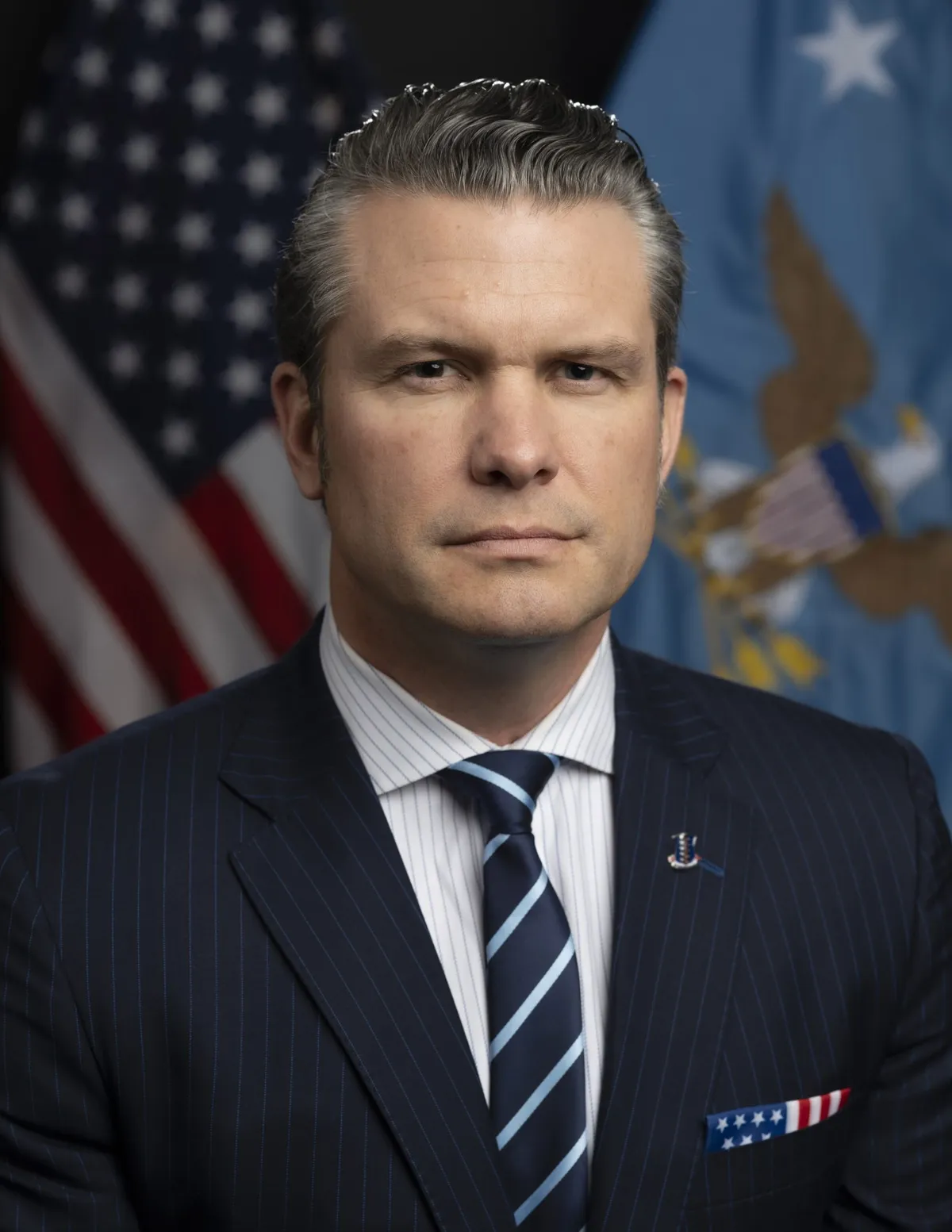
The ongoing conflict with Iran has taken a dramatic turn, with Pete Hegseth playing a crucial role in shaping U.S. military strategy. Following a series of discussions, former President Donald Trump credited Hegseth as the first to advocate for military action against Iran, emphasizing the urgency of preventing the nation from acquiring nuclear capabilities.
Trump’s remarks came amid rising tensions in the Middle East, where the Iran war officially commenced in late February 2026. He stated, “We have a country, known as Iran, that for 47 years has been just a purveyor of terror, and they’re very close to having a nuclear weapon.” This stark warning underscores the stakes involved as the U.S. navigates its response to Iran’s actions.
In a recent development, Trump extended the deadline for Iran to meet U.S. demands by five days, suggesting that productive conversations were underway. However, Iran has vehemently denied these claims, labeling them as “fake news” intended to manipulate financial and oil markets.
The conflict has already claimed the lives of 13 American service members, marking a grim milestone in the ongoing military engagement. In light of these developments, Joe Kent has become the first senior official to resign over the conflict, signaling discontent within the administration.
Hegseth has taken a prominent role within the Pentagon, asserting that the military effort is “very much on track” although he refrained from providing a definitive timeline for the operation. His involvement highlights the internal dynamics of the Trump administration, where differing opinions on the reasons for military action against Iran have emerged.
As Trump noted, “Pete, I think you were the first one to speak up and you said, ‘Let’s do it because you can’t let them have a nuclear weapon.'” This endorsement from the former president illustrates Hegseth’s influence in the ongoing strategy discussions.
Despite the administration’s claims of progress, the exact reasons for the U.S. military action remain unclear, with various officials offering differing perspectives. Additionally, the status of negotiations between the U.S. and Iran is still unconfirmed, leaving many questions unanswered.
As the situation evolves, the narrative surrounding the Iran conflict continues to shift, with Hegseth at the forefront of a military strategy that could have lasting implications for U.S. foreign policy in the region.