What recent rulings have emerged from the Patna High Court and the Supreme Court of India?
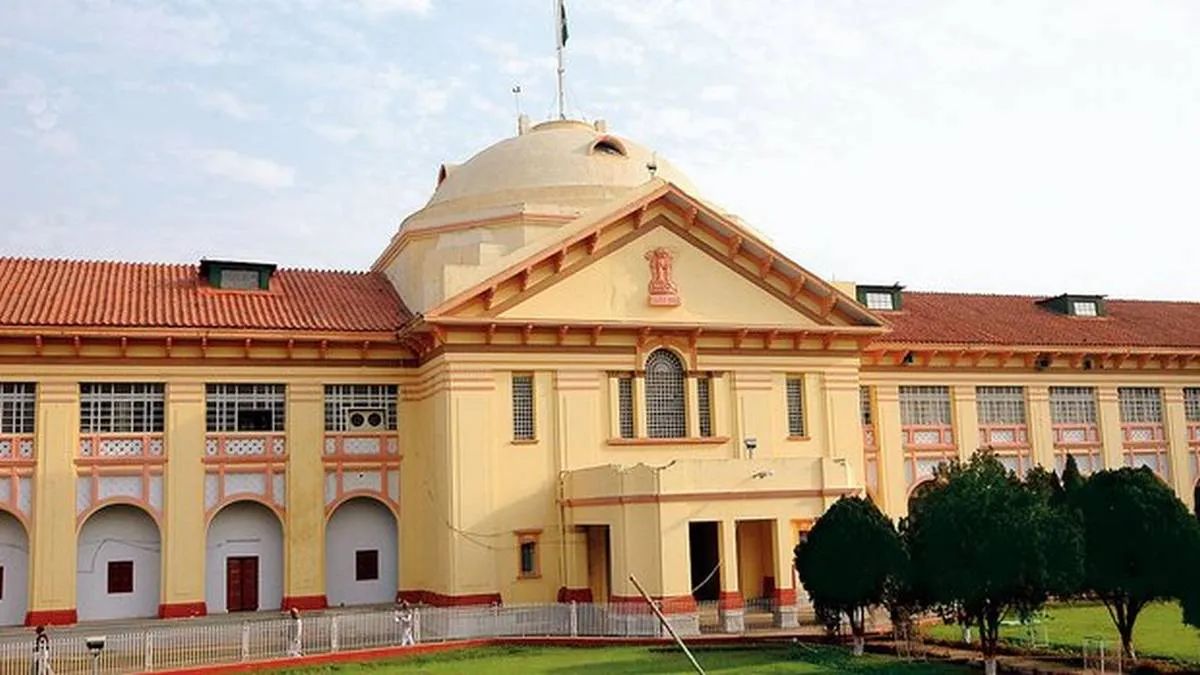
The Patna High Court has recently directed the Bihar government to halt the eviction of a Mahadalit woman from her settlement in Begusarai district, raising critical questions about land rights and government actions. This intervention comes as the court seeks clarification from the state regarding the Bihar Land Encroachment Act of 1956, ensuring that the woman’s housing rights are protected until further orders are issued.
In a separate but equally significant ruling, the Supreme Court of India struck down a Bihar law that aimed to acquire the Srimati Radhika Sinha Institute and Sachchidananda Sinha Library, a historic institution established in 1924. The court found the law to be manifestly arbitrary and in violation of Article 14 of the Indian Constitution, which guarantees equality before the law.
Background of the Library and Legal Challenges
The library, founded by Sachchidanand Sinha in memory of his wife, Radhika Sinha, was created through a trust supported by Sinha’s personal funds and an extensive collection of books. The Supreme Court’s ruling highlighted the arbitrary nature of the 2015 Act, which allowed the state to take over the library for a token compensation of just one rupee. The court emphasized that such a provision lacks fairness and fails constitutional scrutiny.
The Supreme Court stated, “A statutory provision that enables acquisition of property while reducing compensation to a token amount lacks the basic attributes of fairness.” This ruling restores the management and administration rights of the library to its trustees, reversing the changes made by the 2015 Act.
Implications of the Court’s Decisions
These rulings from the Patna High Court and the Supreme Court have significant implications for property rights and the treatment of marginalized communities in Bihar. The decision to halt the eviction of the Mahadalit woman underscores the judiciary’s role in protecting vulnerable populations from arbitrary state actions. Meanwhile, the Supreme Court’s intervention in the library acquisition case serves as a reminder of the importance of fair compensation and the protection of cultural heritage.
The Supreme Court’s ruling also included a poignant reminder that “a choice exists between engagement and annexation – and that the constitution requires the former before the latter can be attempted.” This statement reflects the court’s commitment to ensuring that legislative measures adhere to constitutional principles and protect individual rights.
What Lies Ahead?
As these cases unfold, the legal landscape in Bihar may see further developments regarding land rights and property laws. The Patna High Court’s ongoing examination of the Bihar Land Encroachment Act could lead to broader implications for housing rights, particularly for marginalized communities. Meanwhile, the restoration of the library’s management to its trustees may prompt discussions about the future of cultural institutions in the state.
Details remain unconfirmed regarding any potential appeals or further legal actions that may arise from these rulings. However, the decisions made by the Patna High Court and the Supreme Court signal a critical moment in the ongoing dialogue about justice, equity, and the protection of rights in India.