How it unfolded
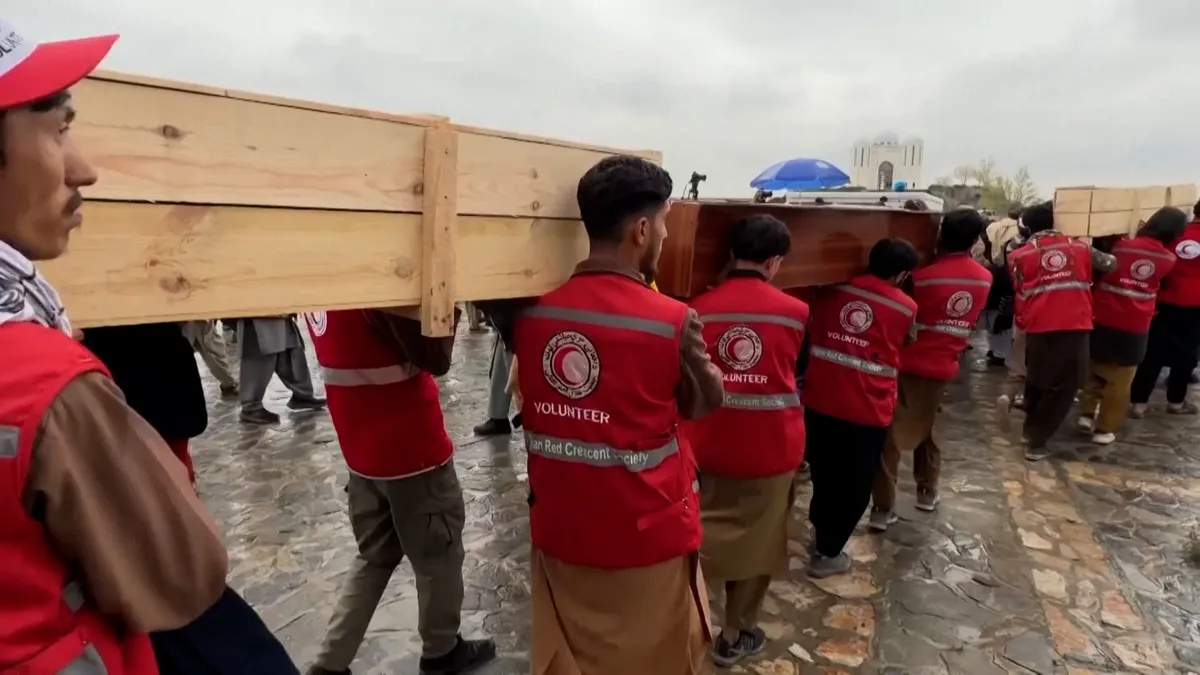
As the sun rose over Kabul on a fateful day, the city was unaware that it would soon become the epicenter of a tragic event that would reverberate across the region. On that day, a Pakistani air strike targeted a drug rehabilitation center, resulting in the shocking loss of 143 lives. The air strike, which occurred in the early hours of the morning, sent shockwaves through the community and raised serious questions about the ongoing conflict and the role of Pakistan in Afghanistan.
The air strike was not an isolated incident but rather part of a broader context of escalating tensions between Pakistan and its neighbors. In recent months, Pakistan has been involved in various military operations, and the ramifications of these actions have been felt far beyond its borders. The incident in Kabul has reignited fears of instability in Afghanistan and has drawn international attention to the precarious balance of power in the region.
In the wake of the air strike, the situation in Kabul became increasingly volatile. Local authorities scrambled to respond to the humanitarian crisis, while international organizations rushed to provide aid to the victims’ families. The Pakistani government faced mounting pressure to explain the rationale behind the air strike, with critics accusing it of exacerbating an already dire situation in Afghanistan.
Meanwhile, tensions were also rising on another front. A civilian employee at an Indian Air Force station was arrested for allegedly spying for Pakistani handlers. This arrest, which occurred shortly after the air strike, highlighted the intricate web of espionage and intelligence operations that characterize the relationship between India and Pakistan. The accused had reportedly been in contact with Pakistani intelligence operatives since 2023, further complicating the already fraught relations between the two nations.
As the dust settled from the air strike, the implications of these events began to unfold. Pakistan has long maintained a strategic relationship with Saudi Arabia, providing military support for decades. The trade volume between Pakistan and Saudi Arabia amounts to nearly US$5 billion, while bilateral trade with Iran stands at roughly US$3 billion. These economic ties are crucial for Pakistan, especially in light of its ongoing challenges.
Pakistan’s internal dynamics also play a significant role in the current situation. Approximately 20 percent of Pakistan’s population is Shia, and the country’s relationship with Iran is particularly important for ensuring stability. Recent negotiations between Pakistan and Iran aimed at ensuring safe passage for fuel shipments through the Strait of Hormuz are indicative of the delicate balance Pakistan must maintain in its foreign relations.
As of now, the air strike’s aftermath continues to unfold, with both local and international communities grappling with the consequences. The loss of life in Kabul has sparked outrage and calls for accountability, while the geopolitical landscape remains fraught with uncertainty. Details remain unconfirmed regarding the full extent of the repercussions of these events, but one thing is clear: the situation is fluid, and the stakes are high.
This sequence of events matters not only for those directly involved but also for the broader regional stability. The air strike has highlighted the fragile nature of peace in Afghanistan and the ongoing tensions between Pakistan and its neighbors. As the world watches, the need for dialogue and resolution has never been more pressing.