Who is involved
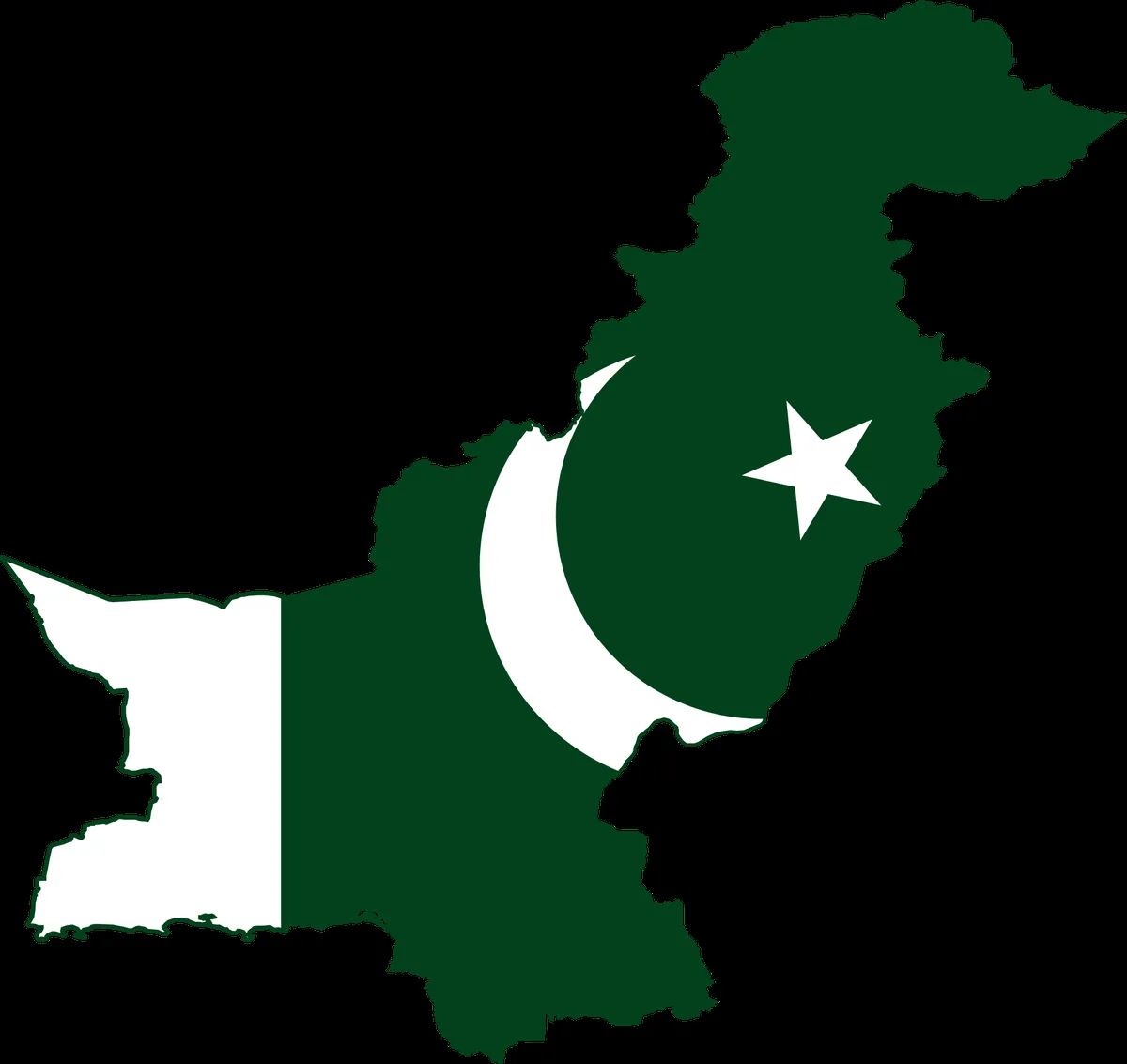
Pakistan, a nation long entangled in complex geopolitical dynamics, is currently navigating a dual narrative of crisis and innovation. Historically, the country’s energy systems have been highly dependent on global supply routes, particularly through the Strait of Hormuz, leaving it vulnerable to fluctuations in oil prices and international relations. The expectation was that Pakistan would continue to struggle with its energy needs, relying heavily on imported fuels, which have often led to economic instability and energy shortages.
However, a decisive moment has emerged in recent years, marked by a significant shift towards renewable energy, particularly solar power. As of 2025, a remarkable 25% of Pakistani households are now utilizing solar panels, a dramatic increase from just 2.9% in 2020. This transformation can be attributed to the introduction of a net-metering policy in 2015, which has catalyzed the growth of the solar market. The price of solar panels has plummeted to about 30 rupees (approximately $0.10) per watt, making solar energy more accessible to the average household.
The immediate effects of this solar boom are profound. The number of households engaging in net-metering has surged to over 280,000, allowing consumers to sell excess energy back to the grid. This initiative has not only empowered families to reduce their reliance on traditional energy sources but has also contributed to significant economic savings. Since 2018, Pakistan has managed to save more than $12 billion in fuel imports, a crucial lifeline for a country grappling with financial constraints.
Yet, while the solar revolution unfolds, Pakistan faces pressing geopolitical challenges. Recently, the Uttar Pradesh Police arrested four suspected handlers of an ISI-linked terror module in Lucknow, who were allegedly planning attacks on key infrastructure, including railway stations. The head of this gang, Saquib, was reportedly in contact with his Pakistani handlers via social media, raising alarms about the potential for increased tensions between India and Pakistan.
Pakistan Senator Mushahid Hussain has voiced concerns regarding the growing relationship between India and the UAE, suggesting that such ties could complicate Pakistan’s geopolitical landscape. He stated, “Friendly ties with them do not land you up as part of Akhand Bharat,” highlighting the delicate balance Pakistan must maintain in its foreign relations while pursuing domestic energy reforms.
Experts like Rabia Babar emphasize that Pakistan’s solar revolution was not orchestrated by policymakers in Islamabad but rather emerged organically from the rooftops of its citizens. “Pakistan’s solar revolution wasn’t planned in Islamabad – it was built on rooftops,” she remarked, underscoring the grassroots nature of this energy transition. This sentiment resonates with many, as individuals like Karim Baksh express newfound confidence in renewable energy, stating, “Now, I don’t care if the prices of diesel increase,” reflecting a shift in public perception towards sustainable energy solutions.
As Pakistan continues to navigate these contrasting narratives of energy independence and geopolitical strife, the future remains uncertain. The government has recently reduced the buyback rate for new net-metering users to about 10 rupees (approximately $0.036) per unit, which may impact the growth trajectory of solar adoption. Nevertheless, the momentum generated by the solar boom offers a glimmer of hope for a nation striving to redefine its energy landscape amidst ongoing challenges.
In this complex interplay of local innovation and international relations, Pakistan stands at a crossroads, where the potential for a sustainable future is tempered by the shadows of historical conflicts. Details remain unconfirmed, but the path forward will undoubtedly require a delicate balance between harnessing renewable energy and addressing the geopolitical realities that continue to shape the nation’s destiny.