Recent Developments
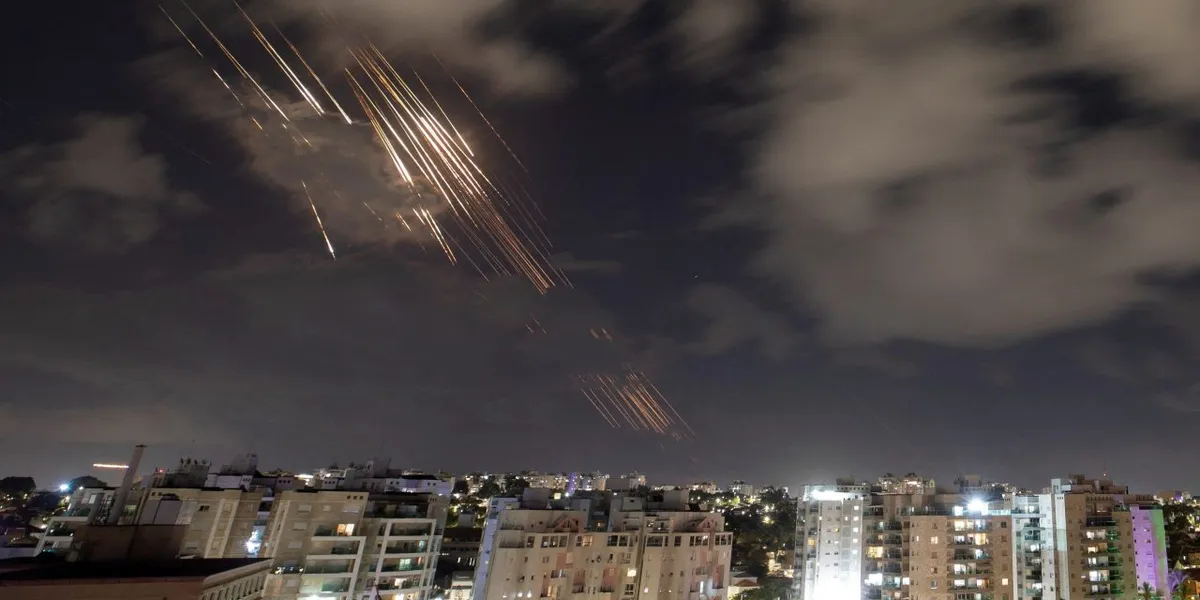
In a significant development regarding nuclear security, Iran’s Isfahan nuclear site has reportedly been struck, according to the United Nations. This incident comes amidst ongoing tensions surrounding Iran’s nuclear activities and its implications for regional stability.
The damage to the Isfahan site appears to be minor, as noted by Rafael Mariano Grossi, who stated, “Since the beginning of this campaign, we’ve seen some impacts in Natanz — a couple — and one in Isfahan. Not a very major one, I should say.” This suggests that while the strike has raised alarms, the immediate impact may not be as severe as initially feared.
At the Isfahan nuclear site, more than 200 kilograms of enriched uranium were stored, with the uranium enriched up to 60% purity. Grossi indicated that the widespread assumption is that the material is still there, which raises concerns about the potential for further nuclear escalation.
The geopolitical landscape is further complicated by North Korea’s evolving nuclear posture, which is hardening in response to the Iran crisis. Historically, North Korea and Iran have cooperated on military technology, with North Korea previously selling Scud missiles to Iran during the Iran-Iraq War. This cooperation underscores a shared interest in countering perceived threats from the United States.
North Korea’s relationship with Iran, while significant, lacks deep economic or cultural foundations. Nonetheless, both nations have been united in their struggle against US hegemony for most of the past half-century. This shared perspective may reinforce the belief that nuclear arms are the ultimate guarantor of regime survival, particularly for North Korea.
For the Kim regime, the nuclear bomb has never been merely a prestige project; it is viewed as a survival strategy. The US-South Korea alliance remains treaty-bound to deter North Korean threats, highlighting the broader implications of the current situation.
As the situation develops, the international community remains watchful of Iran’s nuclear ambitions and North Korea’s responses. The strike on the Isfahan site may have ripple effects that influence nuclear policy and military strategies in both countries.
Details remain unconfirmed regarding the full extent of the damage and the implications for Iran’s nuclear program. The evolving dynamics between these nations will be crucial in shaping future discussions on nuclear proliferation and regional security.