How it unfolded
As the sun rose on March 15, 2026, North Korea prepared for a day that would mark a significant moment in its political landscape. The atmosphere was charged with anticipation as citizens were urged to participate in the parliamentary elections, a process that, while tightly controlled, had never before acknowledged dissenting voices. This election was particularly noteworthy, as it was the first since 1957 to recognize any form of rejection of the official candidates.
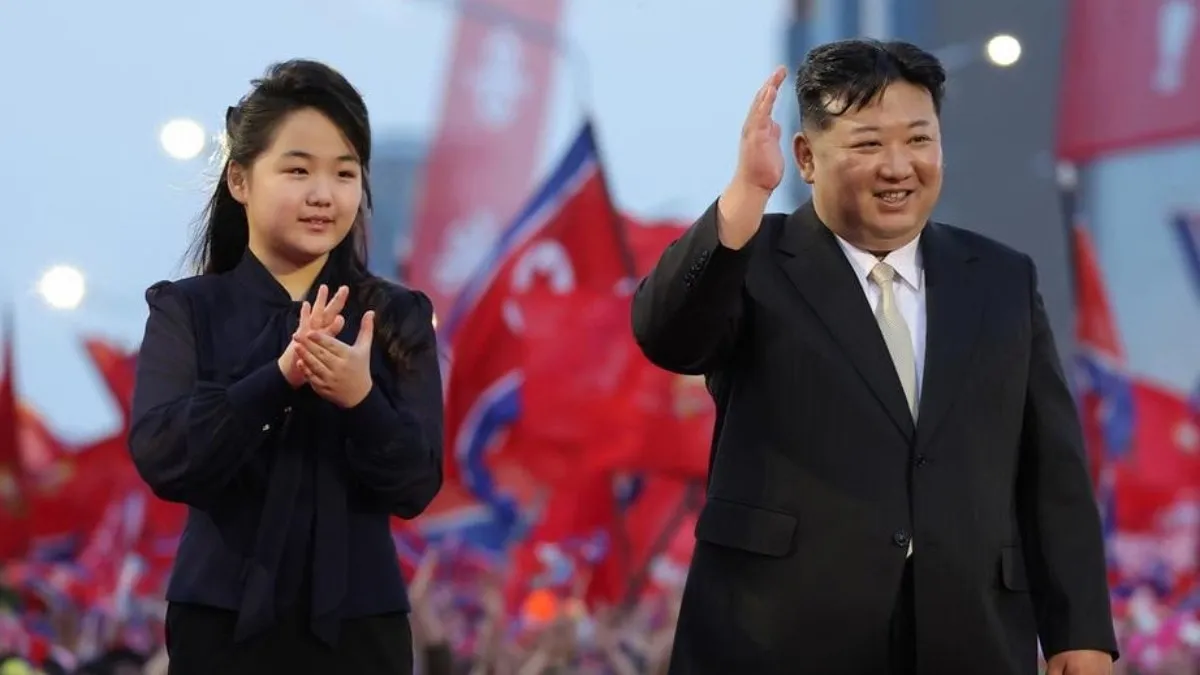
In the lead-up to the elections, the ruling Workers’ Party of Korea had pre-selected candidates, leaving voters with little choice but to endorse those presented to them. Despite this, the event was framed as a demonstration of the people’s overwhelming support for Kim Jong Un, who has been in power since 2011 following the death of his father, Kim Jong Il. The stakes were high, and the government made it clear that participation was not just encouraged but expected.
As polling stations opened, reports indicated an astonishing voter turnout of 99.99%. This figure, while reflecting a high level of engagement, also raised eyebrows internationally, given the tightly controlled nature of North Korean society. The government claimed that only 0.0037% of registered voters were unable to cast their ballots due to being abroad or at sea, and a mere 0.00003% abstained from voting altogether.
When the votes were tallied, Kim Jong Un emerged victorious with a staggering 99.93% of the votes cast in favor of the Workers’ Party of Korea. However, the election results also revealed that 0.07% of voters had rejected the official candidates. This was a groundbreaking acknowledgment that hinted at the potential for dissent within the tightly controlled political framework of North Korea.
The Supreme People’s Assembly, which consists of 687 representatives, serves as the highest organ of state power in North Korea. While the assembly’s role is largely ceremonial, the election results are significant for the regime, as they seek to project an image of unity and support. The acknowledgment of dissenting votes, albeit minimal, could signal a shift in the political landscape, suggesting that even in a regime known for its authoritarian grip, there may be cracks in the facade.
As the dust settles from the elections, the implications of this event are profound. For Kim Jong Un, the overwhelming support he received reinforces his position as the leader of North Korea, yet the recognition of dissent could lead to increased scrutiny from both domestic and international observers. The government may find itself in a precarious situation, needing to balance the appearance of total control with the reality of a populace that may be harboring unexpressed grievances.
In the coming weeks, analysts will be watching closely to see how the regime responds to this newfound acknowledgment of dissent. Will it lead to a more open political discourse, or will the government tighten its grip further to quell any potential unrest? The 2026 elections may have been a showcase of overwhelming support for Kim Jong Un, but they also opened a door to questions about the future of governance in North Korea.