The numbers
The Lok Sabha passed the Finance Bill 2026 on March 26, 2026, introducing significant amendments that clarify the tax treatment of share buybacks. A flat 12% surcharge will now apply to these transactions, a move that is expected to reshape the financial landscape for many companies.
Under the new provisions, the consideration received by shareholders during buybacks will be classified as capital gains, incurring a tax rate of 30% for promoters and 22% for promoter companies. This amendment is particularly relevant as it clarifies that the applicable surcharge on buyback income is capped at 12%, a detail that financial analysts believe will provide much-needed certainty to investors.
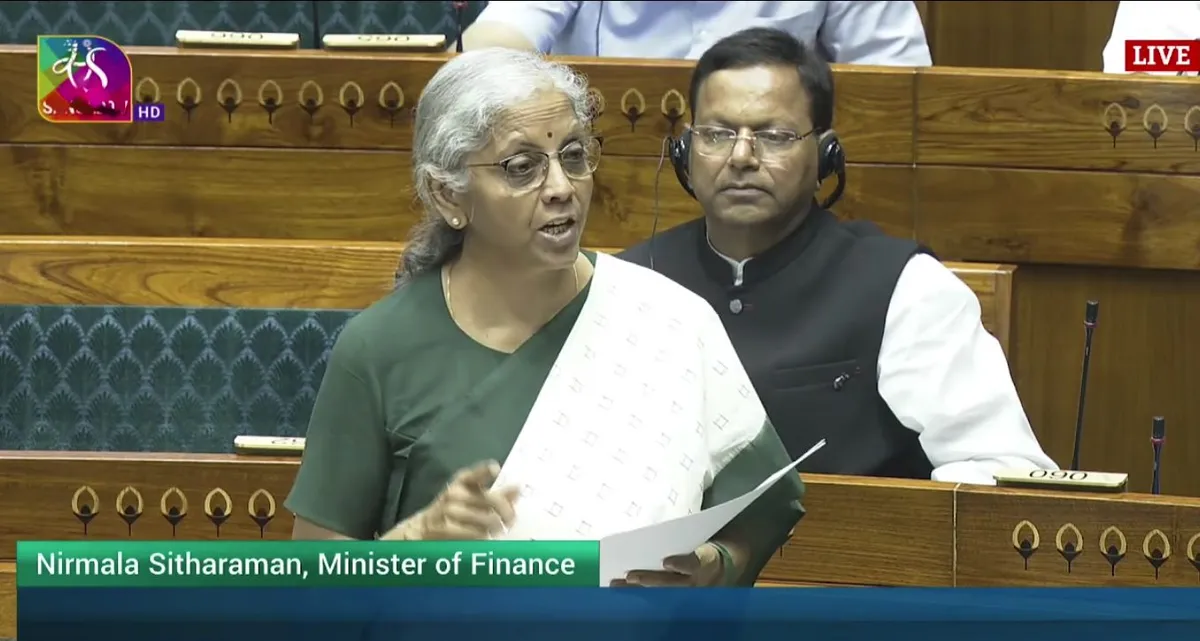
Finance Minister Nirmala Sitharaman emphasized the importance of cooperatives, MSMEs, and farmers in her address, highlighting their critical role in employment generation and economic growth. “The move is aimed at boosting incomes of small cooperative members and encouraging wider participation in the sector,” she stated, underlining the government’s commitment to supporting grassroots economic structures.
In a notable change, the turnover limit for the startup tax holiday framework has been raised from ₹100 crore to ₹300 crore, a decision that aims to foster innovation and growth among emerging enterprises. This adjustment reflects the government’s recognition of the evolving startup ecosystem and the need for more inclusive tax benefits.
The budget provision for public capital expenditure has been set at over 12 lakh crore rupees, accounting for 3.1% of the GDP. This figure represents an 11.5% increase over the revised estimates for 2025-26, indicating a robust commitment to infrastructure development. “Money will be spent to strengthen the country’s infrastructure,” Nirmala Sitharaman affirmed, signaling a proactive approach to economic revitalization.
Additionally, the government plans to transfer more than 25 lakh crore rupees to the states this year, a strategic move aimed at enhancing fiscal federalism and empowering state governments to address local needs effectively. This transfer is expected to bolster state-level initiatives and stimulate regional economies.
As the Finance Bill 2026 takes effect from April 1, 2026, observers are keenly watching its implementation and the broader implications for the Indian economy. The impact of this amendment, however, would largely be limited to small and mid-sized buybacks, as large buybacks where gains exceed ₹1 crore are already subject to a higher surcharge rate of 15%, according to financial expert Sandeepp Jhunjhunwala. Details remain unconfirmed regarding how these changes will be received by the market and their long-term effects on investment strategies.
With the Finance Bill 2026, Nirmala Sitharaman has set the stage for a transformative period in India’s economic policy, aiming to create a more equitable and growth-oriented financial environment. As the nation prepares for the new tax landscape, the focus will remain on how these reforms will translate into tangible benefits for the economy and its citizens.