The recent surge of Nipah virus cases in Kerala, India, raises a pressing question: How can the state effectively manage and contain this deadly virus? The answer lies in a combination of improved surveillance, public awareness, and proactive health measures.
The Nipah virus, first identified in Malaysia in 1999, is transmitted to humans through infected animals or contaminated food. In India, the first outbreak occurred in Kerala in May 2018, where it has since re-emerged, with notable outbreaks in 2018 and 2023. As of 2026, Kerala has reported two deaths linked to the virus, highlighting the ongoing threat it poses.
Recent reports indicate that health officials are closely monitoring approximately 700 individuals who have been identified on contact lists for Nipah virus risk. Among these, 77 individuals are categorized as high-risk, underscoring the need for immediate action. The Nipah virus infection can cause severe symptoms, including fever, headache, muscle pain, and respiratory issues, making it imperative to address the situation promptly.
In a concerning development, two nurses in West Bengal recently slipped into a coma due to the virus, prompting alarm across neighboring states. Kerala’s health-care workers are on high alert as they navigate the complexities of managing this infectious disease.
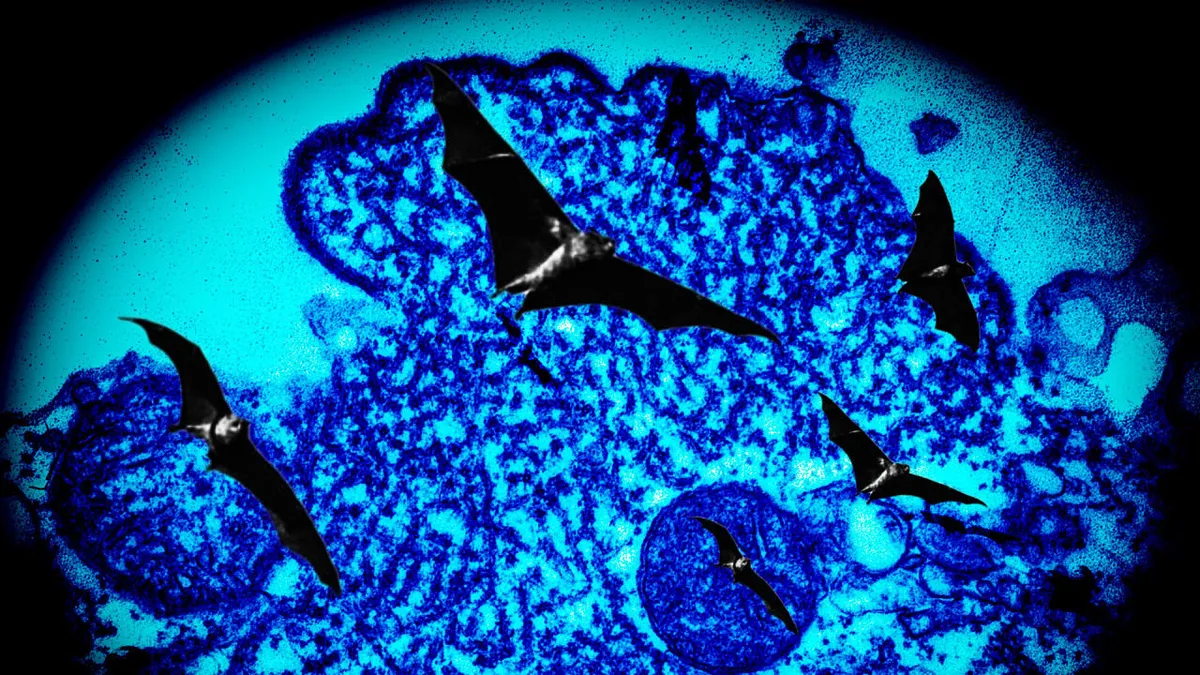
Deforestation and urban expansion have been identified as factors amplifying the risk of Nipah virus transmission, as these changes disrupt the natural habitats of fruit bats, the primary carriers of the virus. The fruiting season in Kerala, occurring around April, correlates with an increase in Nipah virus cases, further complicating the public health landscape.
Awareness campaigns targeting children are planned in Kerala, particularly due to past infections in that age group. Dr. Anish, a local health expert, emphasizes the importance of preventive measures, stating, “Avoiding fruits lying on the ground or those bitten by bats, washing and peeling fruits before consumption, and keeping away from bat roosts are some of the steps suggested to avoid the infection.”
Despite these efforts, scientists have criticized the current state of surveillance and preparedness for Nipah virus outbreaks as poor and episodic. They argue that “Surveillance is activated too late, research funding is sporadic, and preparedness is episodic,” indicating a need for a more robust and systematic approach to managing the threat.
As Kerala grapples with the Nipah virus, the situation remains fluid, with health officials striving to contain the virus while raising public awareness. Details remain unconfirmed regarding the full extent of the outbreak and its potential implications for the region.