Key moments
In a stunning escalation of military tensions in the Middle East, Israeli fighter jets have targeted South Pars, the world’s largest natural-gas field, shared by Iran and Qatar. This aggressive move comes as part of a broader strategy by the U.S. and Israel aimed at toppling the Iranian government and diminishing its regional influence. The timing of this strike is critical, as it coincides with rising hostilities and threats from Iran, which has vowed to retaliate against any perceived aggression.
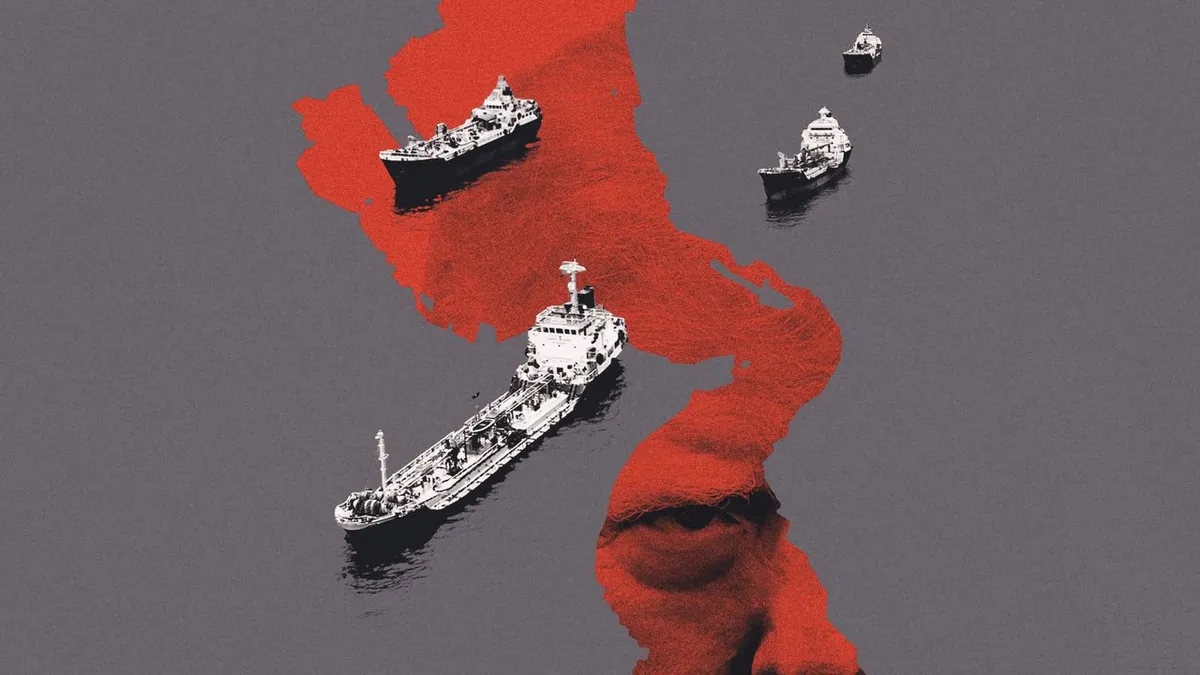
The Strait of Hormuz, a vital corridor for global energy supplies, is at the center of this conflict. Spanning just 35 miles wide, this narrow passageway is responsible for transporting one-fifth of the world’s oil and natural gas. Iran’s threats to shut down this strategic route as a deterrent against U.S. and Israeli strikes have raised alarms among global leaders and economists alike, who fear the repercussions of such actions on the already fragile global economy.
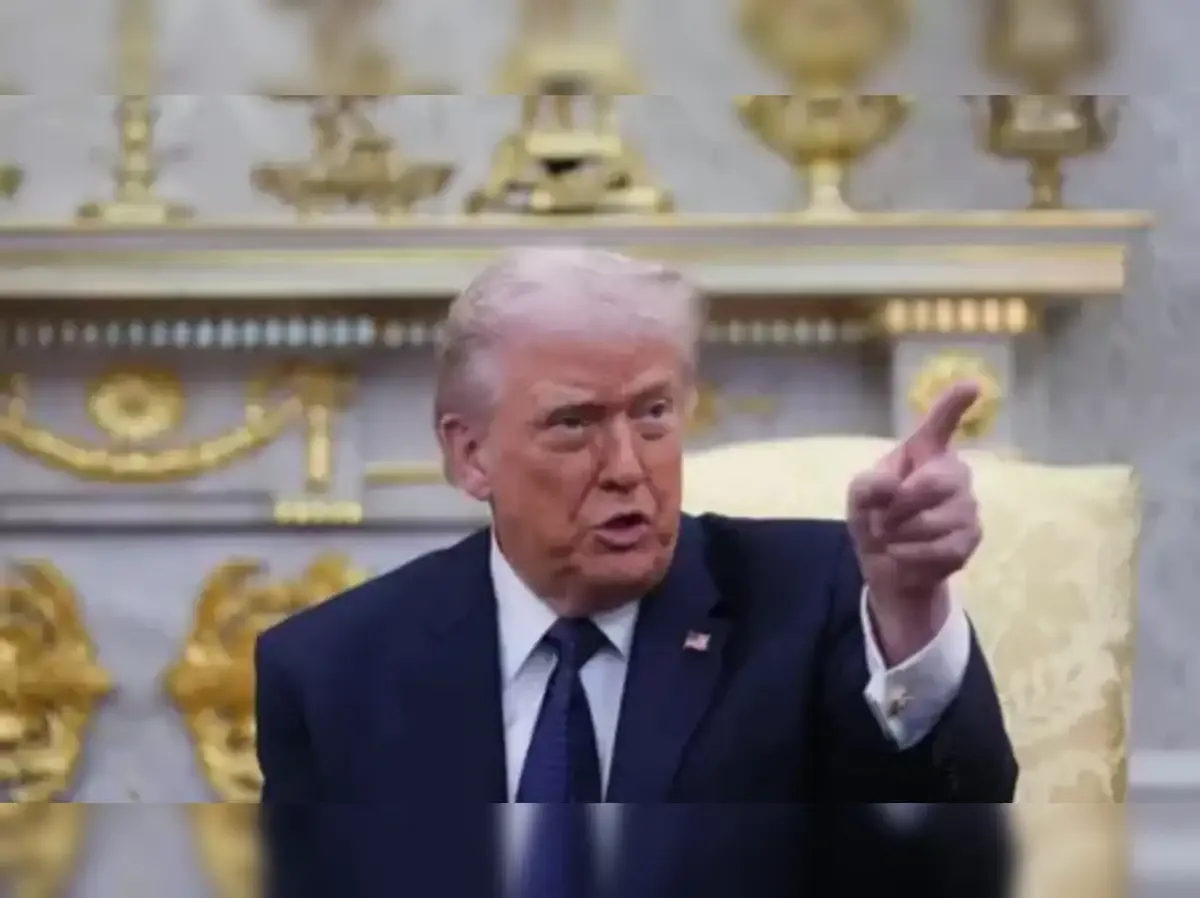
Following the U.S.-Israeli strike that resulted in the death of Iran’s Supreme Leader, President Trump issued a stark ultimatum to Iran, demanding its unconditional surrender. He warned that Iran must fully open the Strait of Hormuz within 48 hours or face the obliteration of its power plants. This aggressive rhetoric underscores the high stakes involved in this geopolitical chess game, where military might is being wielded as a tool of diplomacy.
Operation Epic Fury, as it has been dubbed, has reportedly eliminated key figures in Iran’s leadership and significantly degraded its capacity to project power in the region. Trump’s military interventions have been characterized as swift, decisive, and effective, echoing the principle of “peace through strength” that defined Ronald Reagan’s approach during the Cold War. The U.S. military’s close collaboration with Israel in this operation highlights the deepening ties between these two nations in their shared objectives against Iran.
However, the implications of these actions extend beyond immediate military objectives. Critics have raised concerns about the moral and ethical dimensions of such a new world order, where the weak are obliterated by the strong. Chris Hedges, a prominent journalist, articulated this sentiment, stating, “The new world order is one where the weak are obliterated by the strong, the rule of law does not exist, genocide is an instrument of control and barbarism is triumphant.” This perspective raises questions about the future of international relations and the potential for widespread conflict.
As the situation unfolds, analysts are grappling with the potential consequences of Trump’s aggressive stance. Robert Pape, a noted political scientist, remarked, “Trump needed to cut a deal, and he could still try to cut a deal, but the price, the political price, of the deal keeps going up, and so the problem he’s facing is, there’s no golden off-ramp.” This statement encapsulates the precarious nature of the current geopolitical landscape, where the stakes are higher than ever.
The historical context of U.S.-Iran relations cannot be overlooked. For 47 years since the 1979 revolution, eight American presidents have grappled with the complexities of dealing with Iran, each attempting to navigate a path through a labyrinth of conflict and diplomacy. The current administration’s approach marks a significant departure from previous strategies, opting for a more confrontational stance that could reshape the region’s power dynamics.
As the world watches these developments unfold, the potential for a new world order looms large on the horizon. With global elites exhibiting traits of psychopathy and a ruling class accused of exploiting the subjugated as mere property, the moral fabric of international relations is being tested. George Orwell’s warning that “there will be no curiosity, no enjoyment of the process of life” resonates deeply in this context, as humanity stands on the brink of a potentially devastating conflict, driven by the ambitions of the powerful.