Key moments
In a significant development for aspiring pharmacists, the National Board of Examinations in Medical Sciences (NBEMS) announced the results of the Graduate Pharmacy Aptitude Test (GPAT) 2026 on April 7, 2026. This year, a total of 5,362 candidates successfully qualified for the examination, a crucial step in their journey towards a career in pharmacy.
The GPAT 2026 was conducted on March 7, 2026, in a computer-based format, attracting a total of 53,617 candidates who sought to demonstrate their aptitude and knowledge in the field. The results have been eagerly awaited, as they determine eligibility for various postgraduate pharmacy programs across India.
For candidates, the stakes were high, with the minimum qualifying scores set at the 50th percentile for General and Economically Weaker Sections (EWS) candidates, while the threshold for Other Backward Classes (OBC), Scheduled Castes (SC), and Scheduled Tribes (ST) was established at the 45th percentile. These benchmarks reflect the competitive nature of the examination and the rigorous standards upheld by the NBEMS.
The cut-off scores for GPAT 2026 have been categorized to provide clarity for candidates. The cut-off for General candidates stands at 96.258, while OBC-NCL candidates need to achieve at least 90.08. SC candidates must meet a cut-off of 76.47, and ST candidates have a threshold of 57.39. These scores are pivotal for candidates aiming to secure their places in esteemed pharmacy programs.
In addition to the results, candidates can download their GPAT rank cards from the official website, natboard.edu.in. The rank card will include essential details such as the candidate’s name, roll number, and qualifying status. Furthermore, for those who may have questions regarding their performance, the final answer keys will be made available on or after April 15, 2026, providing transparency and clarity in the evaluation process.
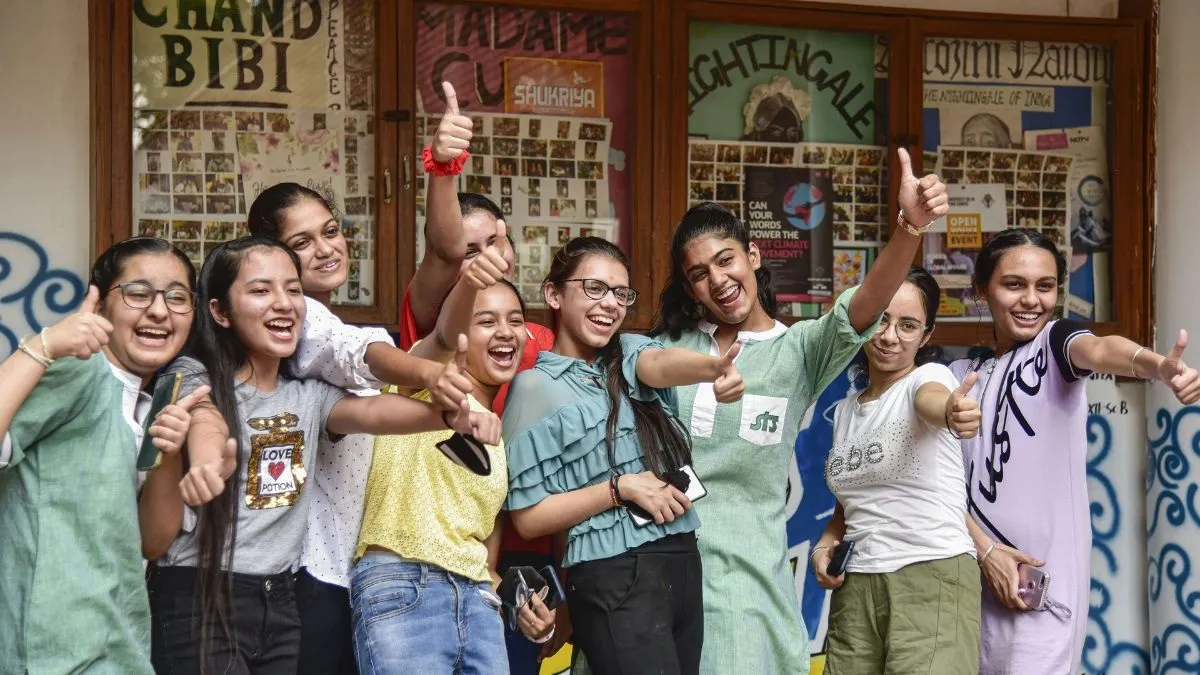
The GPAT scorecard remains valid for three years, allowing successful candidates ample time to pursue their postgraduate studies. As the results are released, the excitement and anticipation among candidates are palpable, with many expressing relief and joy at their achievements.
As reactions pour in, candidates and educators alike are reflecting on the significance of this year’s results. The GPAT serves not only as a gateway to advanced education but also as a benchmark for the quality of pharmacy education in India. The NBEMS continues to play a crucial role in shaping the future of healthcare professionals in the country.