How it unfolded
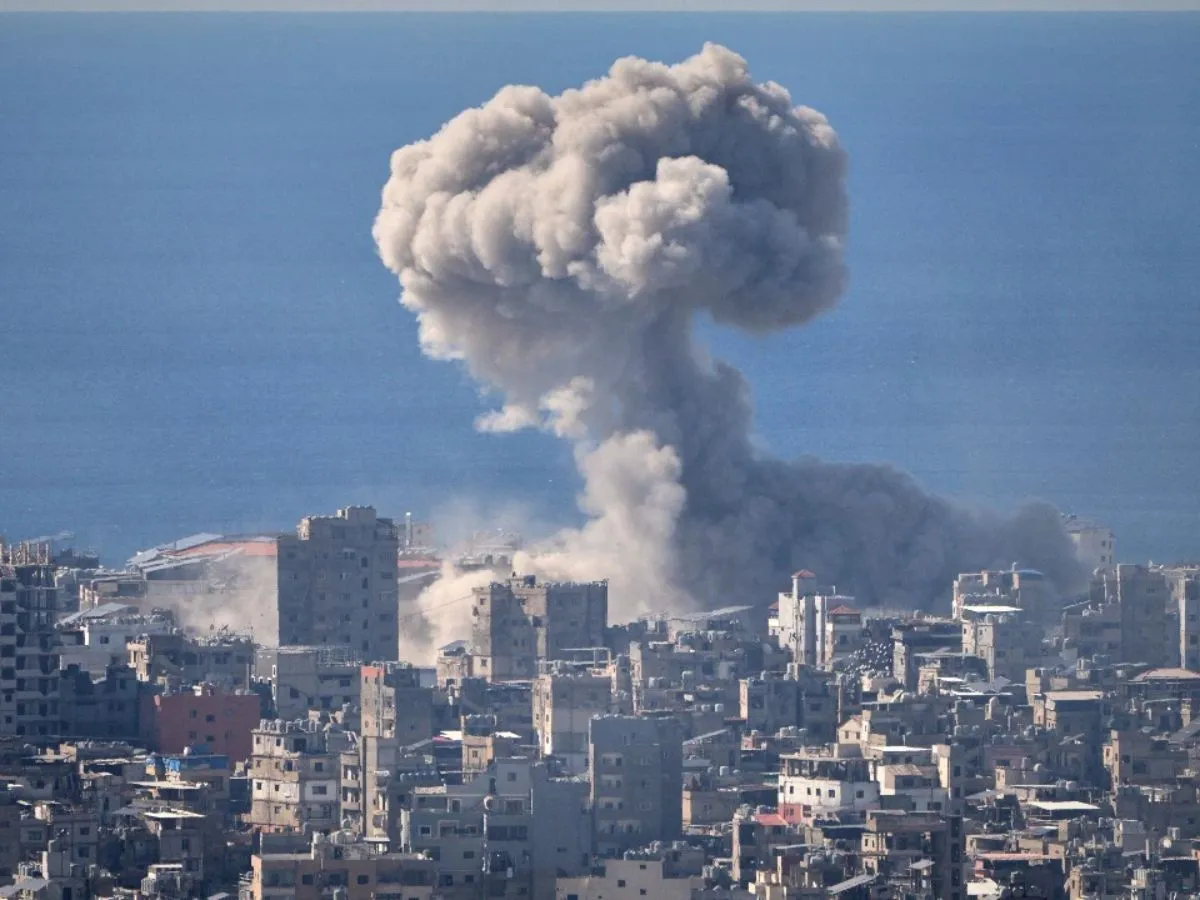
As tensions escalated in West Asia, the world watched with bated breath. The crisis, now ongoing for more than three weeks, has sent shockwaves through the region and beyond. Prime Minister Narendra Modi, aware of the profound implications for India, has been at the forefront, engaging with leaders from Gulf countries, Iran, Israel, and the United States to navigate this complex situation.
On the ground, the repercussions of the conflict are being felt acutely. Nearly one crore Indians live and work in Gulf nations, making them particularly vulnerable to the unrest. In response to the escalating violence, the Indian government has established 24/7 control rooms and emergency helplines to assist its citizens abroad. Since the onset of the war, more than 3,75,000 Indians have safely returned to India, a testament to the government’s commitment to safeguarding its people.
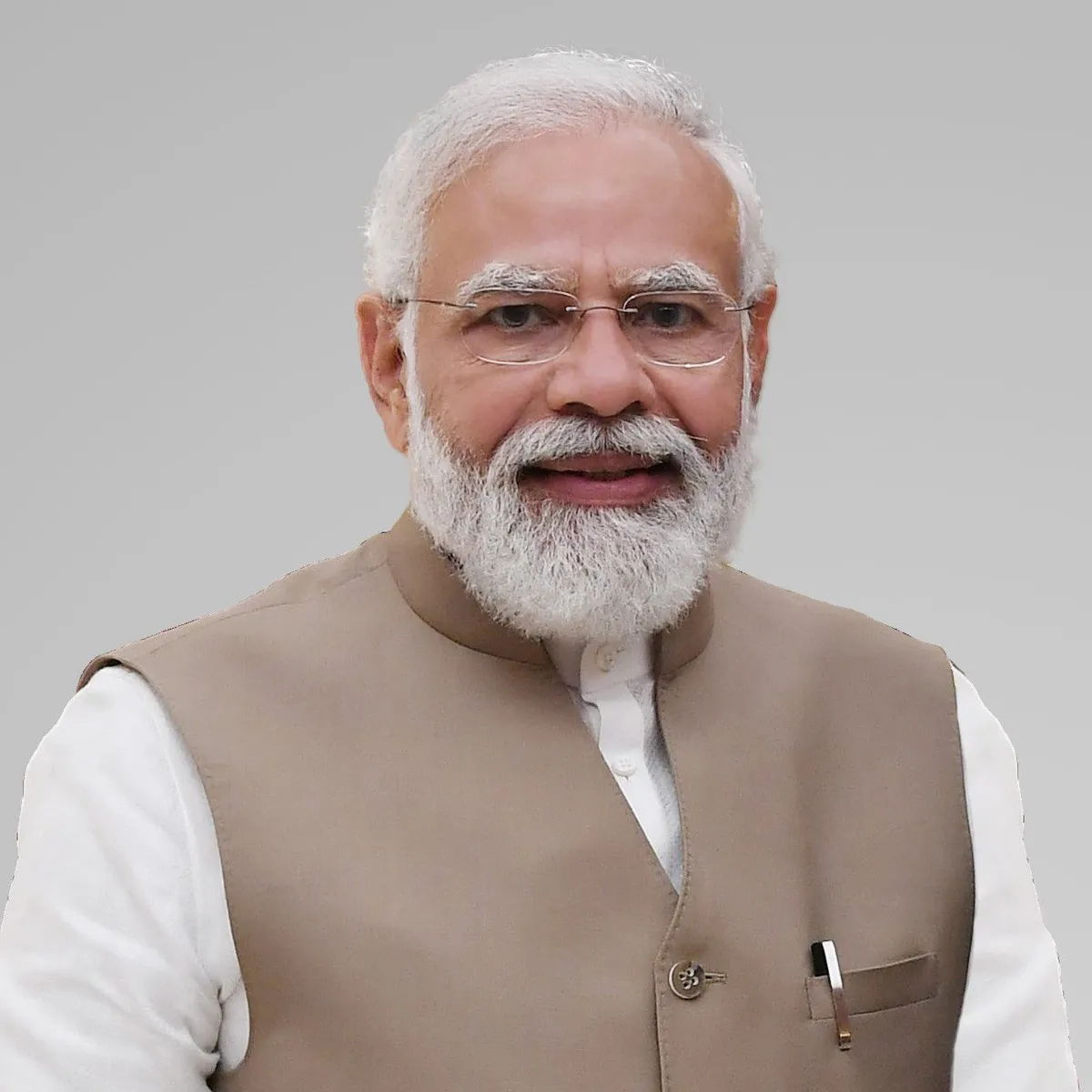
In a recent address, PM Modi emphasized the urgency of the situation, stating, “The whole world is urging all parties for the earliest possible resolution of this crisis.” His words resonate with the growing anxiety among Indian families with loved ones in the conflict zones. The Prime Minister further highlighted, “India’s concerns are naturally greater, and therefore it is essential that a united and unanimous voice goes out to the world from India’s Parliament on this crisis.” This call for unity underscores the gravity of the situation and the need for a cohesive national response.
Amidst these developments, India is also focusing on its energy security. With a Strategic Petroleum Reserve exceeding 53 lakh metric tonnes, the country is better positioned to withstand potential disruptions in oil supply. Over the past 11 years, India has expanded its energy import sources from 27 to 41 countries, diversifying its energy portfolio to mitigate risks associated with geopolitical tensions.
Moreover, the conflict has prompted the cancellation of scheduled Class 10th and 12th examinations in Indian schools across Gulf countries, further illustrating the widespread impact of the crisis on daily life. PM Modi has assured that the government is continuously monitoring global developments to protect consumer and industry interests, indicating a proactive approach in these turbulent times.
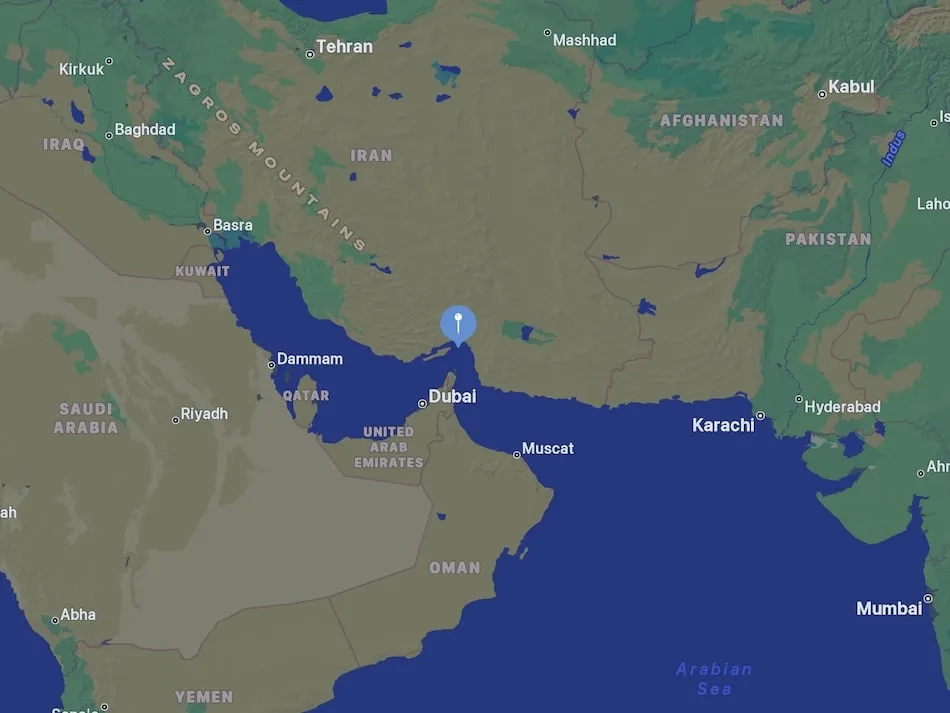
In his recent interactions, Modi has raised critical issues such as de-escalation and the reopening of the Strait of Hormuz, a vital passage for global oil shipments. He stated, “Continuous efforts are also underway to determine how we can overcome the disruptions that have occurred in the supply chain.” This reflects India’s strategic foresight in addressing not just immediate concerns but also long-term implications for its economy and energy security.
As the situation evolves, the Indian government remains vigilant, balancing humanitarian efforts with national interests. The ongoing crisis in West Asia has created unprecedented economic, national security, and humanitarian pressures for India, making the stakes higher than ever. The Prime Minister’s leadership during this tumultuous period will be crucial in shaping India’s response and ensuring the safety of its citizens abroad.
With the world watching, the unfolding events in West Asia will undoubtedly have lasting implications for India’s foreign policy and its relationship with the Gulf nations. As PM Modi continues to engage with international leaders, the hope remains that a peaceful resolution can be achieved swiftly, allowing for the safe return of all Indians affected by the conflict.