How it unfolded
As the sun set over New Delhi on a tense October evening, the gravity of the West Asia conflict loomed large, casting a shadow over the lives of millions. The crisis, which has now persisted for more than three weeks, has not only raised alarms about regional stability but has also put the spotlight on India’s extensive trade relations with the countries embroiled in the turmoil. With nearly one crore Indians living and working in Gulf nations, the stakes could not be higher.
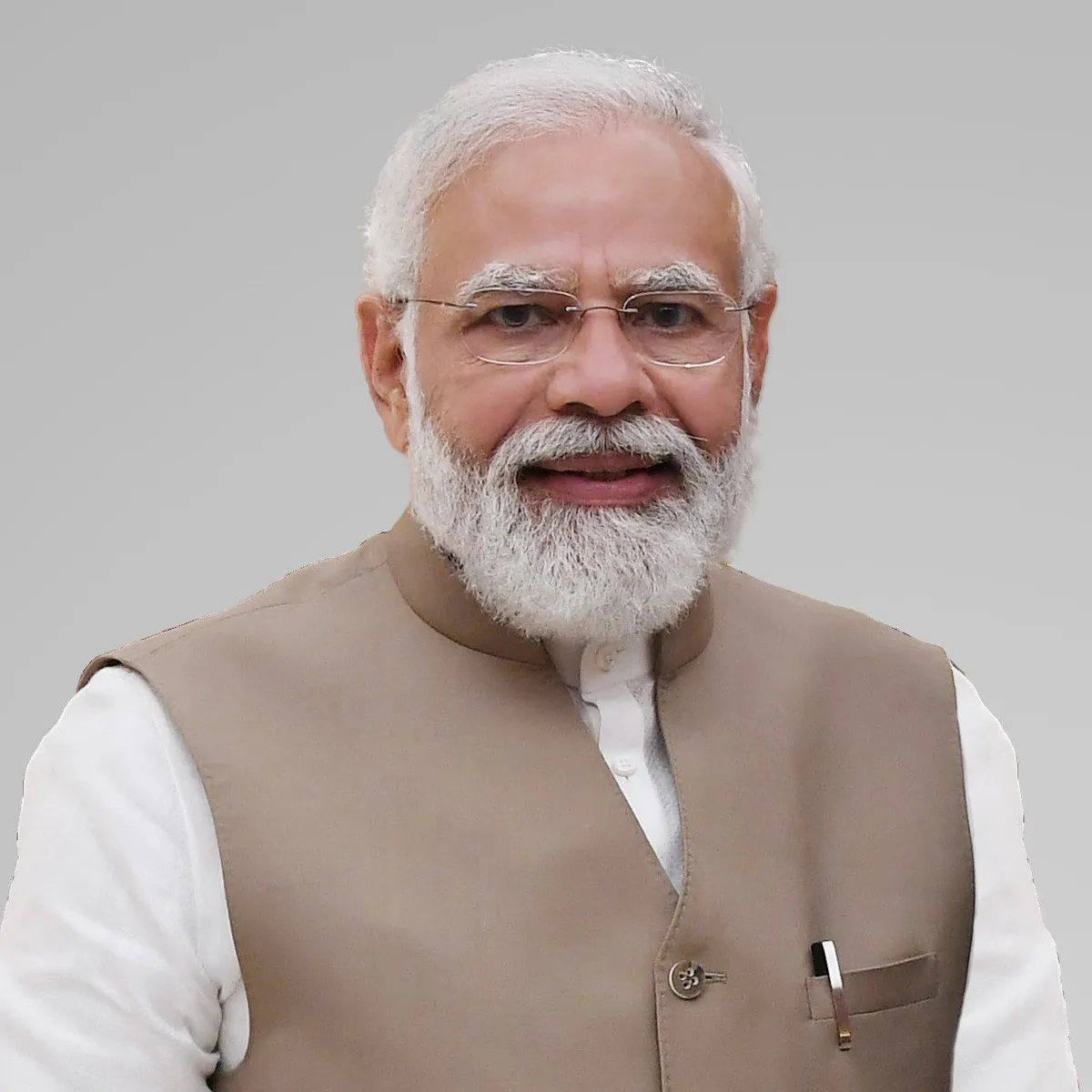
In the days following the outbreak of hostilities, Prime Minister Narendra Modi took to the airwaves, addressing the nation and the world. “The whole world is urging all parties for the earliest possible resolution of this crisis,” he stated emphatically, underscoring India’s commitment to peace and stability in the region. His words resonated deeply, especially as more than 3,75,000 Indians have returned home safely since the conflict began, highlighting the urgency of the situation.
Modi’s government has been proactive in its response, establishing 24/7 control rooms and emergency helplines to assist Indians abroad. This initiative reflects a broader strategy to safeguard the interests of Indian citizens and maintain a robust presence in the Gulf. The Prime Minister has also engaged with leaders from Gulf countries, Iran, Israel, and the United States, emphasizing the need for de-escalation and the reopening of vital trade routes such as the Strait of Hormuz.
As the crisis unfolded, the Indian government continuously monitored global developments to protect consumer and industry interests. Modi noted, “Continuous efforts are also underway to determine how we can overcome the disruptions that have occurred in the supply chain.” This vigilance is crucial, given that India has expanded its energy import sources from 27 to 41 countries over the past 11 years, ensuring a diversified energy portfolio amid rising tensions.
In a significant move, the Central Board of Secondary Education (CBSE) announced the cancellation of scheduled Class 10th and 12th examinations in Indian schools across the Gulf countries, a decision that reflects the seriousness of the situation. The education of countless students has been disrupted, but safety remains the priority as the conflict continues to escalate.
On the energy front, India is well-prepared, boasting a Strategic Petroleum Reserve of more than 53 lakh metric tonnes. This reserve is a critical asset that provides a buffer against potential supply shocks resulting from the ongoing conflict. Additionally, India’s solar power capacity has surged from approximately 3 gigawatts to 140 gigawatts in the past decade, showcasing the nation’s commitment to sustainable energy solutions.
As the conflict shows no signs of abating, the Indian government is faced with unprecedented economic, national security, and humanitarian pressures. Modi’s leadership during this crisis is pivotal, as he seeks to unify the nation’s voice on the global stage. “India’s concerns are naturally greater, and therefore it is essential that a united and unanimous voice goes out to the world from India’s Parliament on this crisis,” he remarked, emphasizing the need for solidarity in these trying times.
Currently, the situation remains fluid, with diplomatic efforts ongoing and the safety of Indian citizens abroad at the forefront of the government’s agenda. The ramifications of this conflict extend far beyond borders, affecting not only the lives of expatriates but also the economic stability of India itself. As the world watches, the actions taken now will shape the future of India’s role in West Asia and its commitment to protecting its citizens.