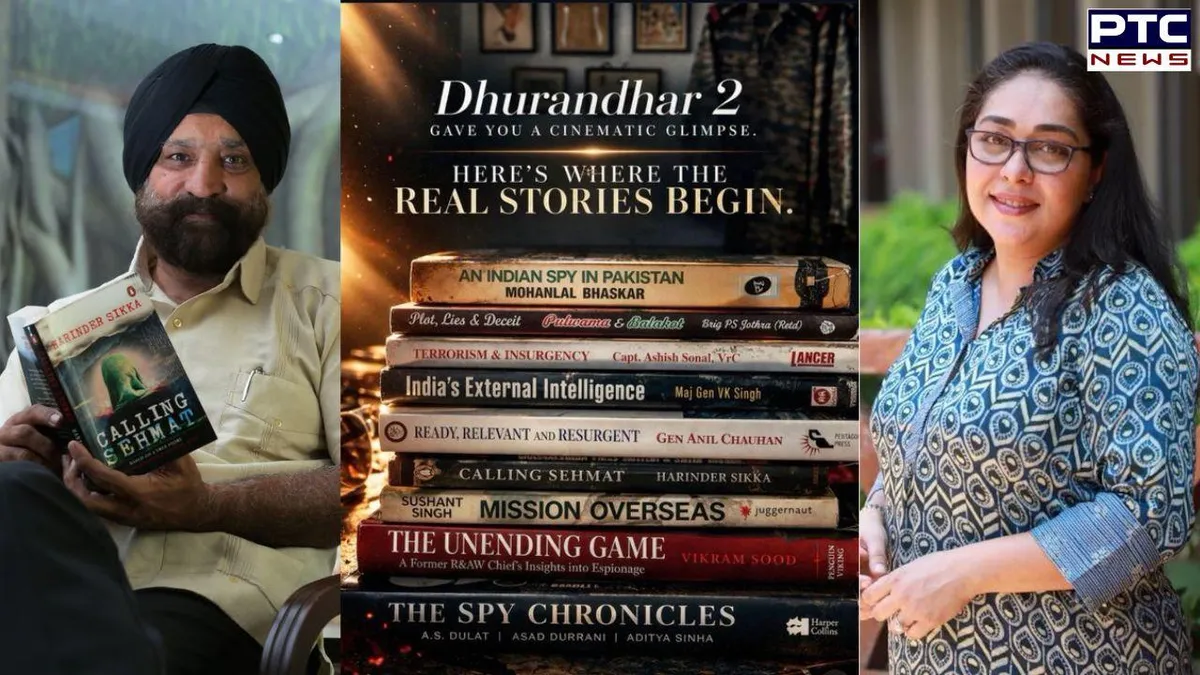
In a striking turn of events, author Harinder Sikka has openly criticized filmmaker Meghna Gulzar for her adaptation of his acclaimed novel, Calling Sehmat, into the 2018 film Raazi. Sikka’s remarks come as he reflects on what he describes as his “gravest misjudgment” in appointing Gulzar for the project, a sentiment he has voiced since 2020.
Released in 2018 and featuring a stellar performance by Alia Bhatt, Raazi tells the gripping story of an Indian spy married into a Pakistani military family during the tumultuous 1971 war. Despite its critical and commercial success, Sikka has been vocal about his dissatisfaction with the film’s portrayal of the protagonist, claiming that Gulzar’s ideological bias diminished the essence of the character.
Sikka, who considers Calling Sehmat one of the top espionage novels globally, stated, “The way Meghna Gulzar twisted the story through a leftist lens still pains me deeply.” His discontent extends beyond Raazi, as he has also criticized Gulzar’s portrayal of the legendary Indian Army officer Sam Manekshaw in her recent film, Sam Bahadur.
In a candid reflection, Sikka revealed that he had been warned by others not to trust Gulzar, expressing regret over his collaboration despite those warnings. He articulated a sentiment that resonates with many creators: “Trust, but verify.” His comments underscore a broader concern within the creative community regarding the fidelity of adaptations.
As Sikka’s literary work continues to find readers around the globe, he remains committed to having more of his books adapted for the screen. However, the shadow of his experience with Gulzar looms large, raising questions about future collaborations and the integrity of adaptations in the film industry.
Details remain unconfirmed regarding any potential reconciliations or future projects involving Sikka and Gulzar, but the ongoing discourse highlights the complexities of adapting beloved literary works into film.