Key moments
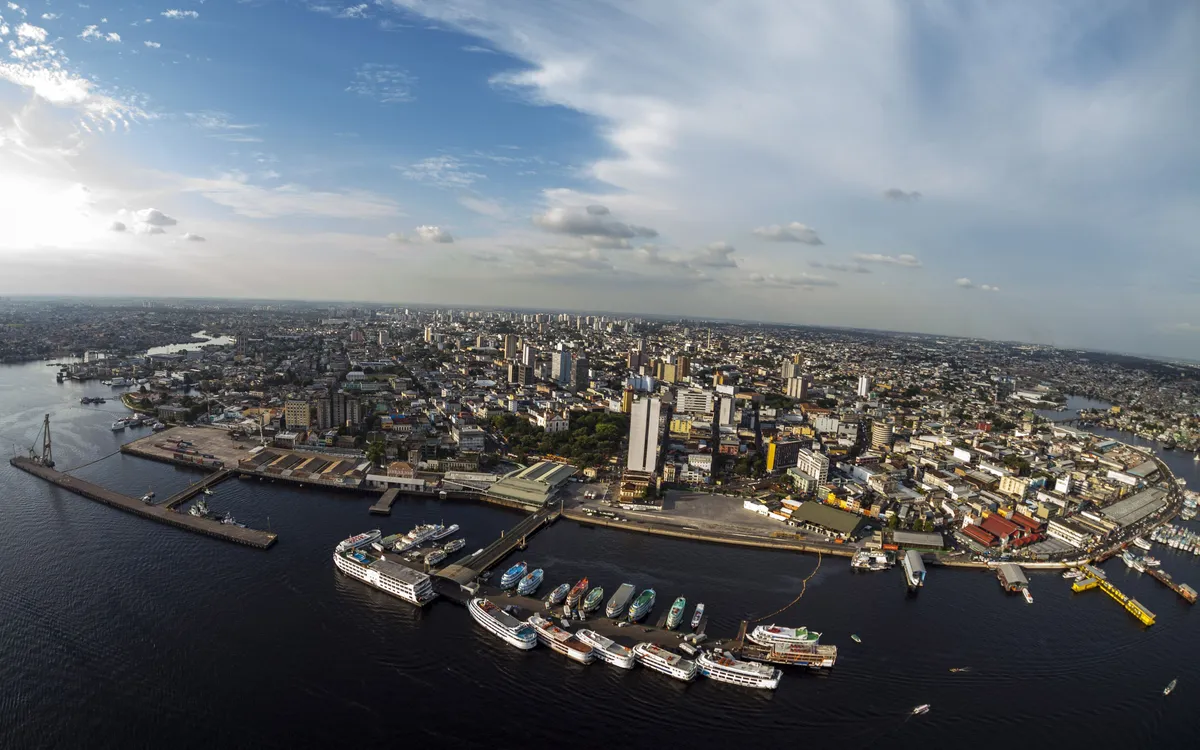
In a significant development for the city of Manaus, Brazil, NEM Energy has announced the delivery of two Heat Recovery Steam Generators (HRSGs) and Exhaust Gas Bypass Systems (EGBS) for a new power plant. This project, which is expected to generate 163 MW of power, is set to support approximately 486,000 households, marking a pivotal advancement in the region’s energy infrastructure.
The new power plant is scheduled to commence commercial operations by the end of 2026, a timeline that reflects the project’s progression from conceptualization to realization. “The project has moved well beyond the conceptual phase and is now in an advanced stage of realization,” a spokesperson from NEM Energy stated, underscoring the urgency and importance of this initiative for the local community.
As Manaus gears up for this energy boost, the city is also witnessing a flurry of political activity. Recent changes in the Manaus City Hall cabinet, particularly between late March and early April 2026, have stirred discussions among political analysts. The departures of key figures such as Shádia Fraxe and Jender Lobato are not merely technical shifts; they signal a broader political repositioning as the city prepares for the upcoming electoral cycle.
“This matters politically because Shádia Fraxe and Jender Lobato are not simply leaving technical posts,” noted a political commentator, emphasizing the implications of these changes on the governance landscape. The timing of these exonerations is central to understanding the broader picture, as they coincide with critical developments in the city’s energy sector.
The inaugural edition of the Ecoa showcase in 2025 received an impressive 110 submissions, highlighting the growing interest in socio-environmental issues through the medium of film. Supported by Edital nº 001/2026 of the National Aldir Blanc Policy, this year’s event promises to continue fostering dialogue and awareness around pressing societal themes.
As Manaus stands at the crossroads of energy innovation and political transformation, the developments surrounding the new power plant and the Ecoa showcase reflect a city in motion. The convergence of these events paints a picture of a community striving for progress while grappling with the complexities of governance and cultural expression.
Details remain unconfirmed regarding the full impact of the political changes on the energy project, but the momentum in Manaus suggests a future ripe with potential for both its citizens and its leaders.