Reaction from the field
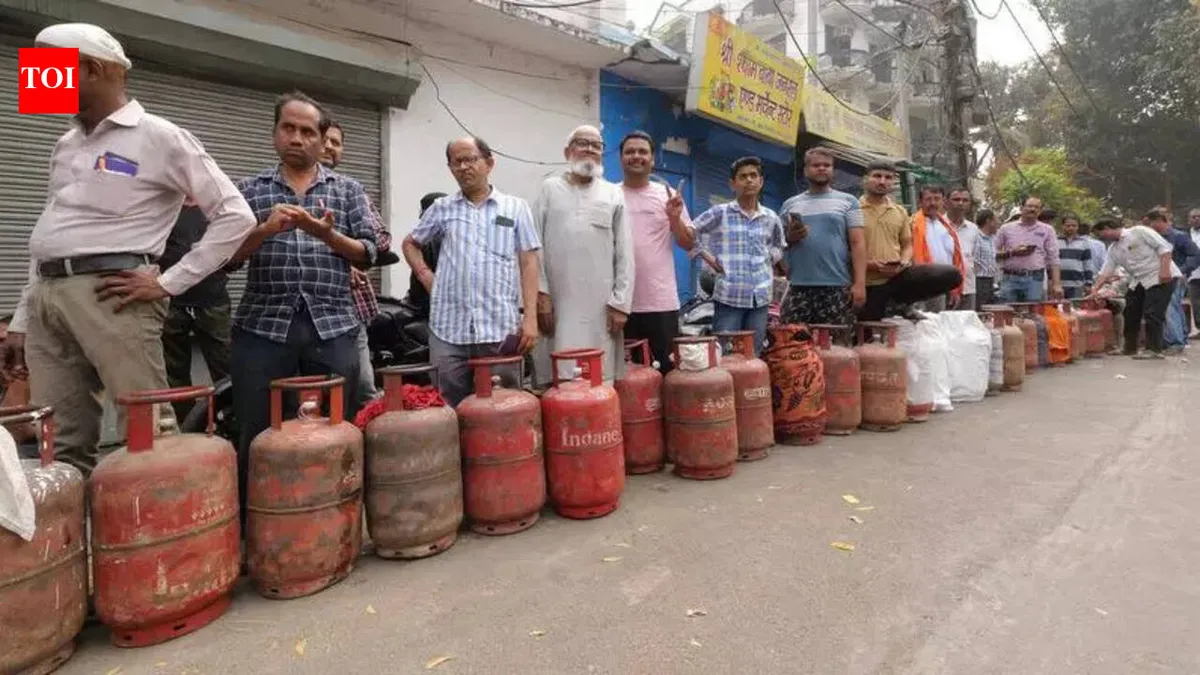
The ongoing geopolitical tensions have cast a shadow over India’s LPG gas supply, with the effective closure of the Strait of Hormuz disrupting approximately 54% of the country’s LPG imports. This situation has raised alarms among consumers and industry experts alike, as the nation grapples with its heavy reliance on imported liquefied petroleum gas (LPG), which accounts for around 60% of its total needs. The government has assured citizens that there is sufficient stock of petrol and diesel, but the LPG scenario remains precarious.
As the crisis unfolds, the government has ramped up domestic LPG production by an impressive 40% compared to pre-West Asia conflict levels. This strategic move aims to mitigate the impact of reduced imports and ensure that households continue to have access to this essential fuel. Despite these efforts, the waiting times for cylinder bookings have increased significantly, now extending to 25 days in urban areas and 45 days in rural regions, a stark rise from the previous 21-day wait.
In response to the supply challenges, officials have been proactive in urging consumers to consider switching to piped natural gas (PNG) where available. Currently, only about 1.5 crore households have PNG connections, a fraction compared to the 33.3 crore domestic LPG connections across the country. This disparity highlights the urgent need for infrastructure development in the PNG sector to alleviate some of the pressure on LPG supplies.
Sujata Sharma, an industry expert, noted, “The supply of LPG is affected due to the prevailing geopolitical situation, but a lot of cargo has been lined up.” This statement reflects a cautious optimism amid the turmoil, as the government works to secure additional shipments to meet the demand.
Moreover, the government has directed refiners to maximize LPG production by diverting propane, butane, and other streams from petrochemical manufacturing to LPG production. This directive is a clear indication of the seriousness with which authorities are treating the supply crisis, as they seek to bolster domestic output in the face of dwindling imports.
The situation is further complicated by the fact that the effective closure of the Strait of Hormuz has also impacted around 30% of India’s natural gas supplies. This dual crisis underscores the vulnerability of India’s energy supply chain, heavily reliant on a narrow corridor for its imports.
As the government continues to navigate these challenges, the focus remains on ensuring that consumers have access to LPG gas. However, the uncertainty surrounding geopolitical developments leaves many questions unanswered. Details remain unconfirmed regarding the long-term impact of these disruptions on pricing and availability.
In the coming weeks, the government is expected to provide further updates on the situation, including any potential measures to ease the burden on consumers and enhance domestic production capabilities. The stakes are high, and the nation watches closely as it seeks to secure its energy future amidst a turbulent global landscape.