Key moments
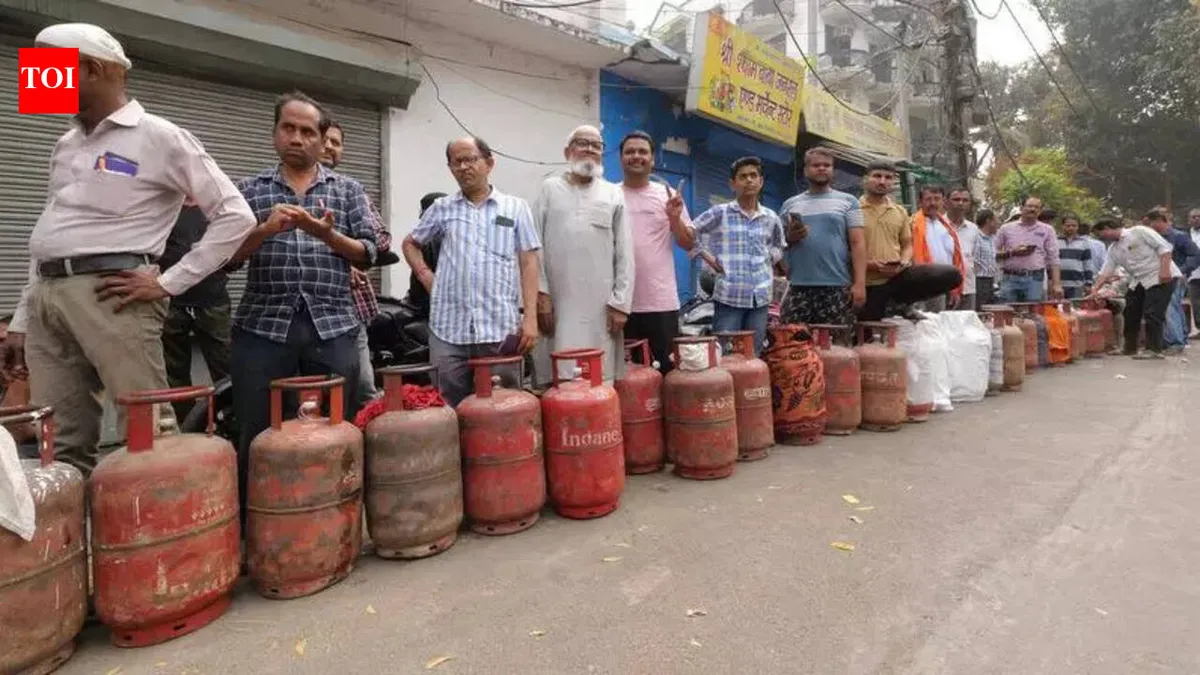
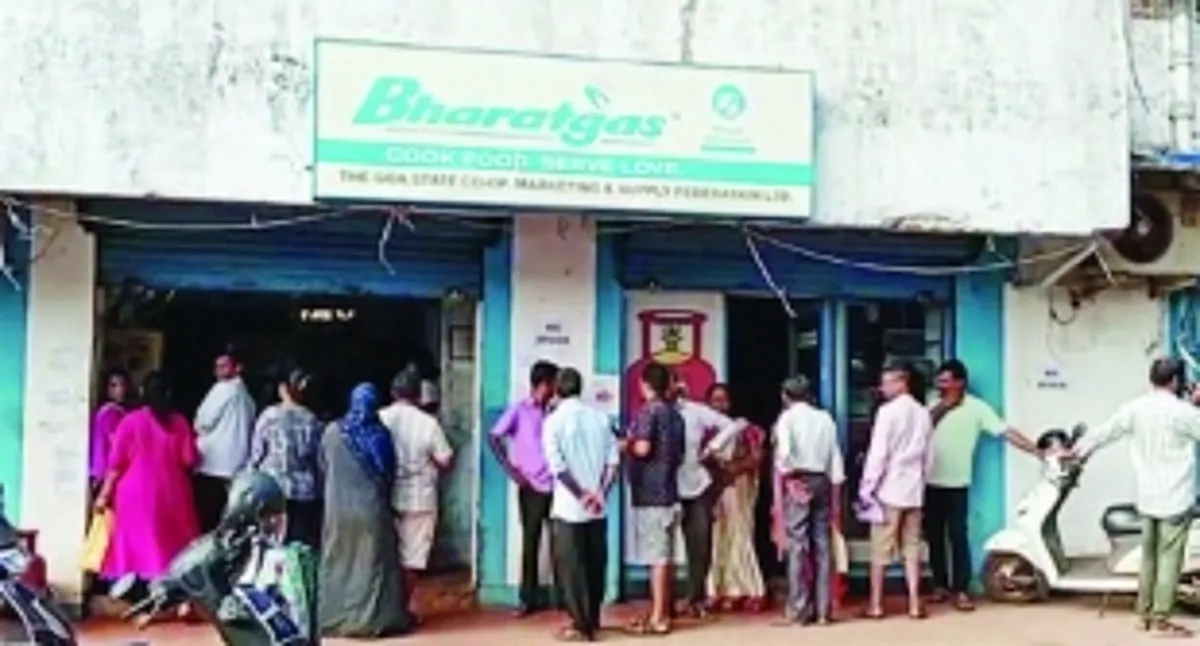
In a dramatic turn of events, Delhi is grappling with a severe LPG gas cylinder shortage that has sparked widespread protests among members of the Aam Aadmi Party (AAP). On March 25, 2026, the situation escalated as long lines formed outside gas distribution centers, with residents desperate to secure a cylinder amidst rising prices that have soared to between ₹5000 and ₹6000.
“Today, across the country, long queues are forming for a single gas cylinder,” lamented AAP leader Atishi, highlighting the desperation felt by many households. The crisis has not only affected daily cooking needs but has also raised concerns about food security, as people are now forced to organize ‘bhandara(s)’ and prepare fasting meals at home due to the unavailability of cylinders, as noted by fellow AAP member Kuldeep Kumar.
The immediate circumstances surrounding this shortage are dire. Reports indicate that essential services, including hospitals, are being prioritized for the limited LPG stocks available. This has raised alarms among citizens who fear that the ongoing crisis could lead to further complications in healthcare delivery. Sanjeev Jha, another AAP MLA, voiced the collective frustration, stating, “There is devastation across the country and people are not getting gas cylinders.”
As the situation unfolds, the crisis is not confined to Delhi alone. The tourism sector in Meghalaya is feeling the ripple effects, with hotels and restaurants scaling down operations due to a shortage of commercial LPG. Last year, Meghalaya welcomed approximately 1.6 million tourists, but the current fuel supply disruptions threaten to tarnish the state’s reputation as a travel destination. The hospitality sector warns that prolonged LPG shortages could severely impact tourist experiences, further complicating the economic landscape.
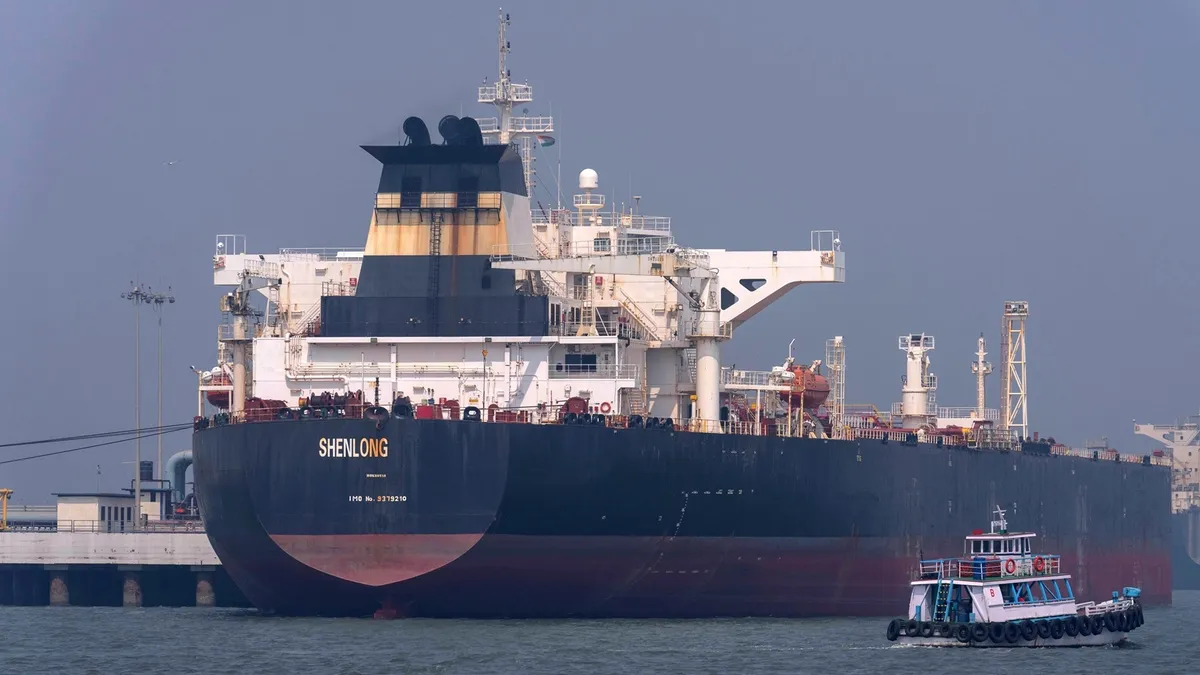
The backdrop of this crisis is rooted in geopolitical tensions that have disrupted LPG supply chains, particularly from the Middle East. The blockage of the Strait of Hormuz has exacerbated the situation, leading the Indian government to reconsider its energy strategies. In response, officials have mandated a transition from LPG to piped natural gas (PNG) in regions where it is available, aiming to reduce dependence on imported LPG.
Households will be given a three-month window to switch to PNG once notified, with the warning that failure to do so may result in the discontinuation of their LPG supply. This move is part of a broader strategy to enhance energy security amid ongoing geopolitical crises. The government is also pushing for a rapid expansion of natural gas pipelines across India to mitigate future shortages.
As the crisis continues to unfold, the reactions from various political factions remain heated. The BJP has faced criticism from AAP leaders, with Atishi accusing Prime Minister Narendra Modi of surrendering to the circumstances that have led to this shortage. “Narendra Modi Ne Kiya Surrender, Gayab Hua Gas Cylinder,” she declared, encapsulating the frustration felt by many citizens who are now struggling to meet their basic cooking needs.
Details remain unconfirmed, but the urgency of the situation has prompted calls for immediate government intervention to alleviate the crisis. As citizens wait in long queues and the hospitality sector braces for impact, the LPG gas cylinder shortage stands as a stark reminder of the vulnerabilities within India’s energy supply chain.