The Gen Z protests, which erupted in September 2025, were a powerful response to the ongoing economic hardships and governance issues plaguing Nepal. The protests, fueled by a generation demanding accountability and clean governance, turned deadly, resulting in a tragic toll of 76 lives lost, including at least 19 individuals killed by police firing on September 8. Amidst this backdrop of unrest, the political climate in Nepal has been charged, culminating in a dramatic turn of events on March 28, 2026, with the arrest of K.P. Sharma Oli, the former Prime Minister.
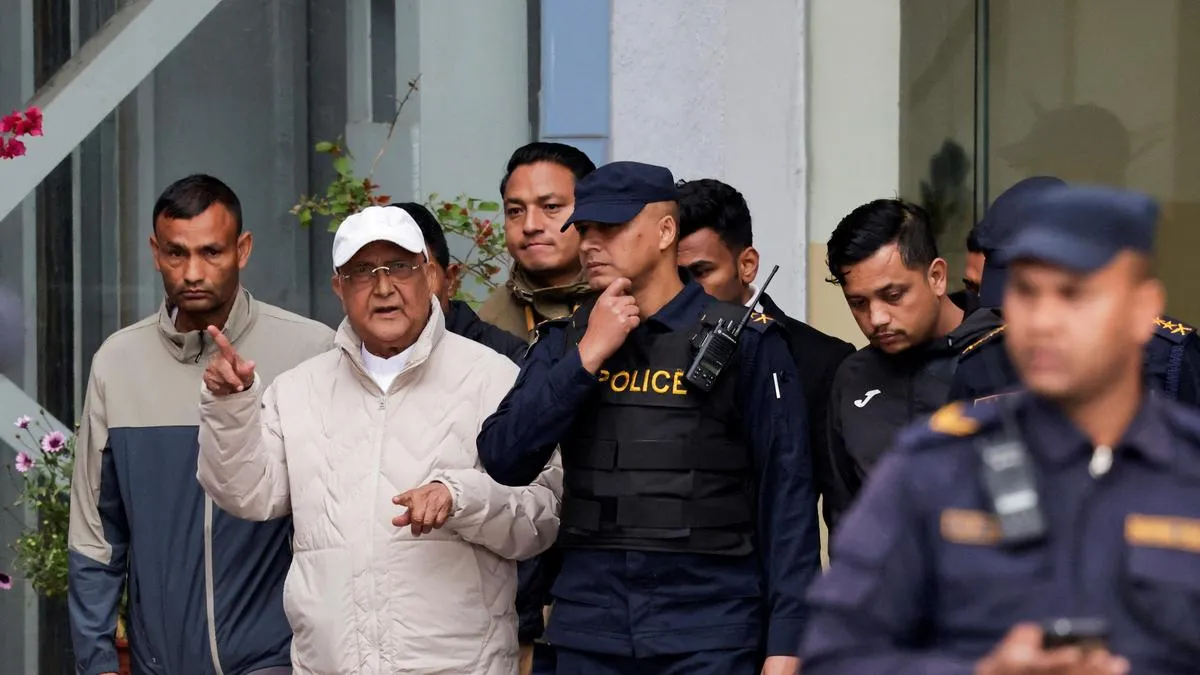
Oli was apprehended at his residence in Gundu, Bhaktapur, just a day after a new government led by Balendra Shah was sworn in. His arrest, along with that of Ramesh Lekhak, has been linked to charges of culpable homicide stemming from the violent protests. The probe commission’s findings, which recommended prosecution for negligent killings, have set the stage for a significant legal battle ahead.
Sudhan Gurung, the newly appointed Home Minister, characterized the arrests as a crucial step towards justice, asserting, “A promise is a promise: No one is above the law.” His statements reflect a commitment to accountability, as the new government seeks to address the grievances that ignited the protests. Gurung emphasized that this is not an act of revenge but rather the beginning of justice, aiming to restore faith in the rule of law.
However, the response from Oli’s party, the Communist Party of Nepal (Unified Marxist–Leninist), has been vehemently opposed. Party spokesperson Yogesh Bhattarai declared, “We will protest in the strongest form as our chairman Oli has been arrested unconstitutionally and illegally.” This sentiment underscores the deep divisions within Nepal’s political landscape, as supporters of Oli rally against what they perceive as a politically motivated crackdown.
The commission’s report, submitted to the outgoing government on March 8, 2026, has raised questions about the accountability of those in power during the protests. Observers note that the new government’s actions may be seen as a litmus test for its commitment to reform and justice. As the nation grapples with the aftermath of the protests, the implications of these arrests could reverberate throughout Nepal’s political sphere.
Details remain unconfirmed regarding the next steps for Oli and Lekhak, as a decision on their custody is expected to be made after the courts open on Sunday. The political atmosphere remains tense, with many watching closely to see how the new government navigates this critical juncture.
As the dust settles from the protests and the subsequent arrests, the broader implications for governance and civil rights in Nepal are yet to be fully realized. The youth’s demand for accountability and clean governance must be achieved through the rule of law, as articulated by activist Hari Sharma, who stated, “The youth demanded clean governance and accountability, but this must be achieved through the rule of law, not rule by law.” The unfolding situation will undoubtedly shape the future of Nepal’s political landscape in the months to come.