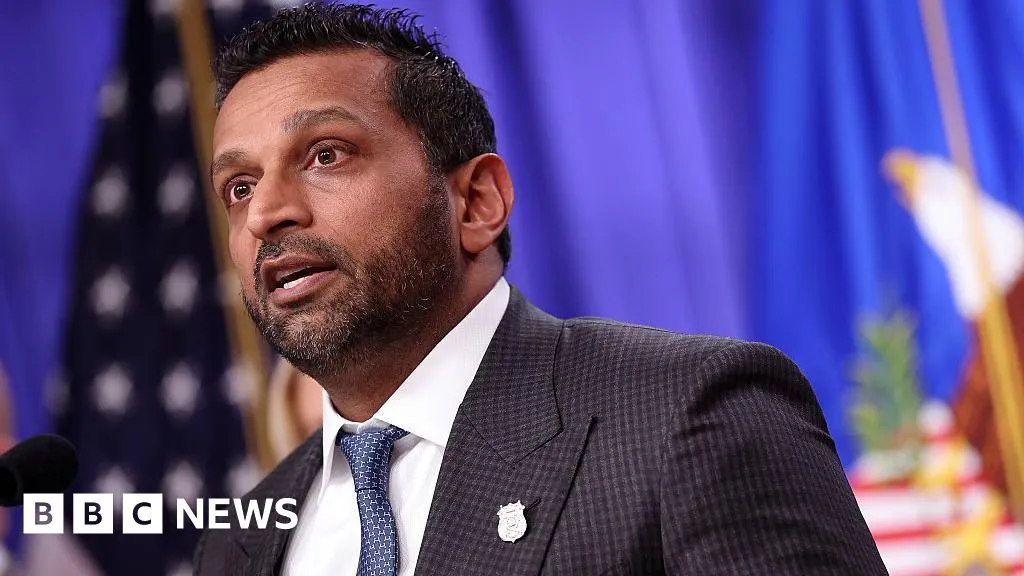
On March 27, 2026, the digital landscape shifted dramatically for Kash Patel, the director of the FBI, as news broke of a significant breach of his personal email account. Just before this incident, Patel had been navigating a tumultuous tenure marked by controversy and scrutiny, particularly regarding his leadership in the face of rising cyber threats.
The Handala Hack Team, a group linked to Iranian cyberintelligence, claimed responsibility for the breach, asserting they had accessed Patel’s personal emails dating from 2011 to 2022. This revelation sent shockwaves through the FBI and the broader intelligence community, as the hackers published photographs and documents taken from Patel’s account.
In a statement, the Handala Hack Team provocatively questioned the security measures of the U.S. government, stating, “This is the security that the US government boasts about?!” Their actions were framed as a retaliation for U.S.-Israeli operations in Iran, underscoring the escalating tensions between these nations.
As the breach unfolded, the FBI confirmed that while Patel’s personal information had been compromised, no sensitive government data was obtained. This distinction, however, did little to assuage concerns about the vulnerabilities within the FBI’s systems.
In response to the breach, the FBI has launched an investigation and is offering a $10 million reward for information leading to the identification of the Handala Hack Team. This proactive measure highlights the seriousness with which the agency is treating the incident.
Ron Fabela, a cybersecurity expert, remarked, “This isn’t an FBI compromise — it’s someone’s personal junk drawer,” suggesting that the breach primarily involved Patel’s personal communications rather than classified material. Nevertheless, the implications of such a breach are far-reaching, particularly for someone in Patel’s position.
The FBI’s awareness of malicious actors targeting Patel’s personal email was confirmed in an official statement, indicating that the agency is taking steps to mitigate potential risks associated with the breach. This incident marks a troubling chapter in Patel’s directorship, which began in 2025, and adds to the list of challenges he has faced.
Previously, Patel was targeted in a 2024 Iranian hack before assuming his role as FBI director, which raises questions about the ongoing threats he faces as a high-profile figure. The current breach serves as a stark reminder of the persistent dangers posed by cybercriminals and state-sponsored hacking groups.
As the situation develops, the ramifications of this breach will likely resonate beyond Patel, affecting U.S. cybersecurity policies and the ongoing battle against cyber threats from hostile nations.
Details remain unconfirmed regarding the full extent of the breach and its potential impacts on Patel’s role within the FBI and the agency’s operations moving forward.