Background of the Conflict
The Israel-Iran war began on February 28, 2026, with coordinated attacks from the United States and Israel targeting Iranian positions. This escalation marked a significant increase in hostilities in the region, particularly affecting the Strait of Hormuz, a critical passage for global oil transportation.
Expectations Before the Stoppage
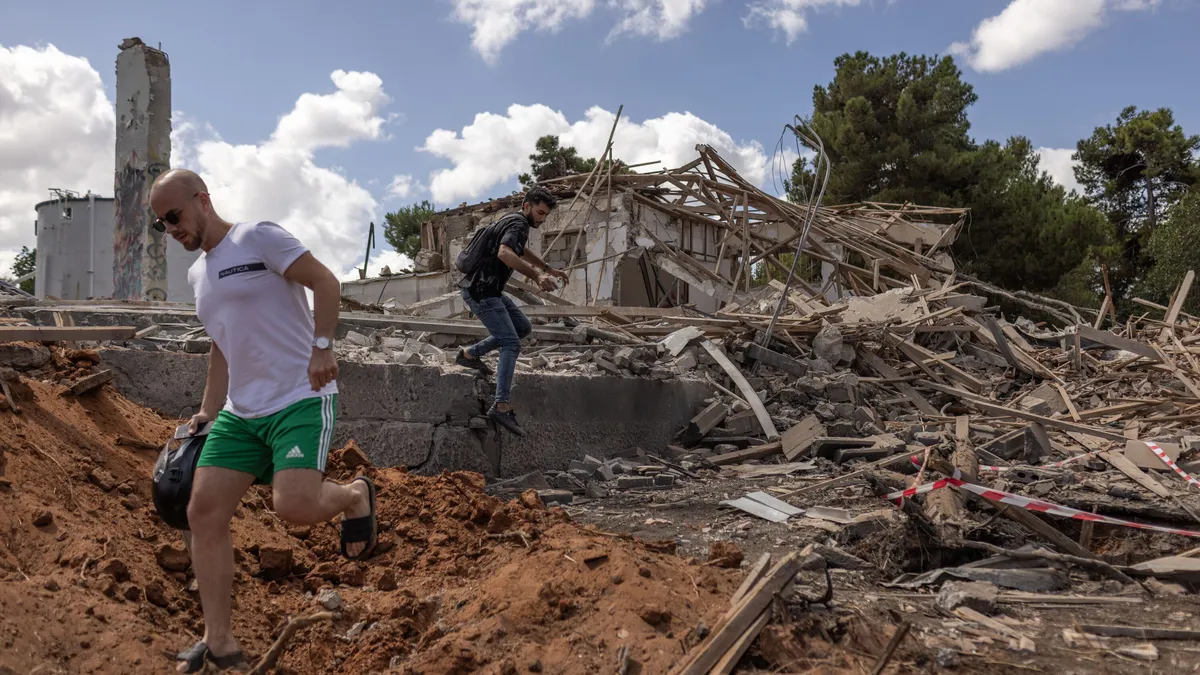
Prior to the recent developments, expectations were grim, with both sides engaged in aggressive military actions. The U.S. and Israel had launched multiple attacks on Iran, while Iran retaliated against Israel and Gulf Arab nations. Reports indicated that 140 U.S. service members had been wounded, and the conflict had resulted in significant casualties on all sides, including 1,230 deaths in Iran and 397 in Lebanon.
Decisive Moment
However, a decisive moment came when Iran’s leadership firmly rejected ceasefire proposals from the U.S., with Foreign Minister Abbas Araghchi stating that a unilateral declaration of victory by the U.S. would not end the conflict. Iran’s parliament speaker, Mohammed Ghalibaf, emphasized, “We are absolutely NOT seeking a ceasefire,” indicating a strong stance against any temporary cessation of hostilities.
Direct Effects on Parties Involved
The refusal to engage in a ceasefire has led to an ongoing state of conflict, with Iran effectively halting tanker traffic through the Strait of Hormuz, a route through which 20 percent of the world’s crude oil is transported. This disruption has caused fluctuations in oil prices, with Brent crude peaking at $120 per barrel before settling at around $90.
Expert Perspectives
Experts have weighed in on the implications of this shift. Kazem Gharibabadi stated, “If a ceasefire is to be established or the war stopped, there must be a guarantee that aggressive actions against Iran will not be repeated.” This highlights the complexities of negotiating peace in a situation where trust is severely lacking.
Casualties and Human Cost
The human cost of the conflict continues to rise, with 11 people killed in Israel and 7 U.S. service members losing their lives since the war began. The ongoing violence has raised concerns about the broader regional stability and the potential for further escalation.
As the situation evolves, the exact conditions under which Iran would agree to a ceasefire remain unclear. Details remain unconfirmed, leaving the region in a precarious state as both sides prepare for potential future confrontations.