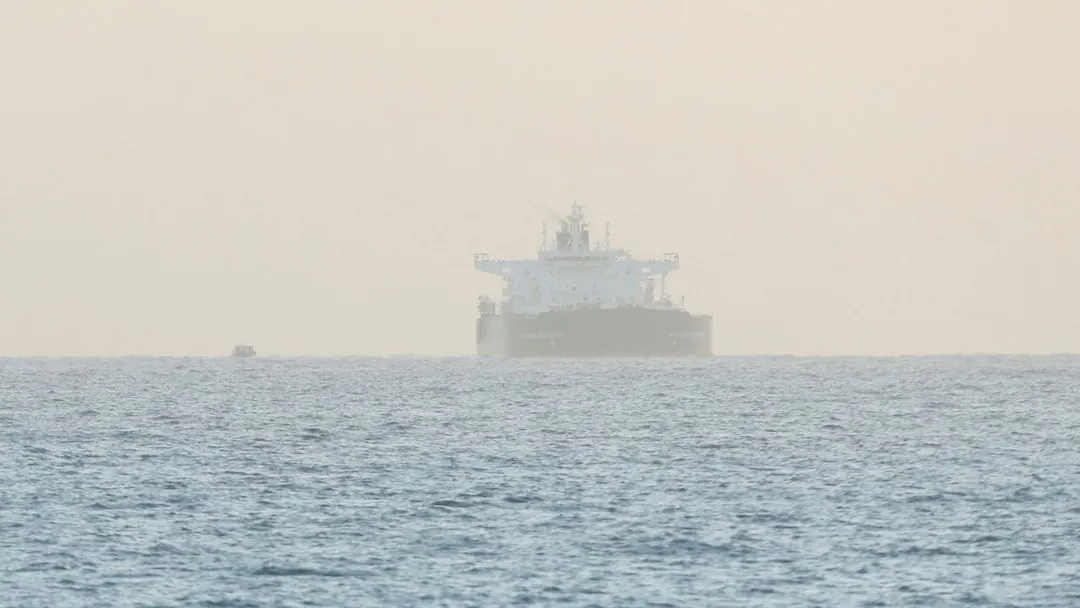
The Iranian oil tanker Ping Shun has made headlines after changing its destination mid-voyage from India to China, a move that underscores the complexities surrounding the current global oil market and payment issues related to US sanctions.
Initially, the Ping Shun was set to deliver 600,000 barrels of Iranian crude oil to Vadinar in Gujarat, India, marking a significant potential milestone as it would have been India’s first import of Iranian oil since 2019. However, the tanker’s abrupt change in course raises questions about the underlying reasons, primarily linked to payment-related concerns.
Since May 2019, India has refrained from importing Iranian oil due to stringent US sanctions that have severely restricted the flow of Iranian crude. Before these sanctions tightened in 2018, India was one of the largest buyers of Iranian oil, with Iranian crude accounting for 11.5% of its total oil imports.
The Ping Shun, an Aframax vessel built in 2002, is currently facing a complex situation as the identities of the buyer and seller involved in this cargo remain unclear. This uncertainty adds another layer of complexity to the already intricate dynamics of international oil trade.
In 2018, India imported an impressive 518,000 barrels of Iranian oil per day, but that figure plummeted to just 268,000 barrels per day between January and May 2019 as sanctions took effect. The refinery at Vadinar has a capacity of 20 million tonnes per year, a significant facility that could have benefited from the Iranian crude.
Sumit Ritolia, an industry expert, noted, “If the payment issues are resolved, the cargo could still make its way to an Indian refinery.” This statement highlights the potential for future negotiations and the possibility of Iranian crude returning to Indian markets.
As the US has granted a 30-day waiver allowing purchases of Iranian oil at sea, set to expire on April 19, 2026, the urgency for resolution is palpable. The episode underscores how commercial terms are becoming as critical as logistics in determining Iranian crude flows.
With the ongoing geopolitical tensions and fluctuating market conditions, the future of Iranian oil imports remains uncertain. Details remain unconfirmed regarding the identities of the buyer and seller, leaving the industry on edge as it awaits further developments.