Pakistan Implements Emergency Measures
On March 10, 2026, Pakistan announced sweeping emergency austerity and fuel conservation measures due to severe disruptions in oil and gas supply caused by the ongoing Iran war. The conflict has significantly impacted the Strait of Hormuz, a crucial waterway for global oil trade, leading to a crisis that has affected household budgets across the country.
Impact on Oil Imports
Pakistan relies heavily on imports for over 80 percent of its oil needs. Between July 2025 and February 2026, the country’s oil imports totaled $10.71 billion. The recent energy crisis has resulted in the largest fuel price increase in Pakistan’s history, with petrol prices rising to $1.15 per litre and diesel to $1.20 per litre, marking a 20 percent increase since the previous week.
Context of the Crisis
This fuel crisis has emerged during the final days of Ramadan, a period when many households are already facing financial strain. Qatar, Pakistan’s primary LNG supplier, has seen its cargoes disrupted as they pass through the Strait of Hormuz, exacerbating the situation.
Military Actions and Regional Tensions
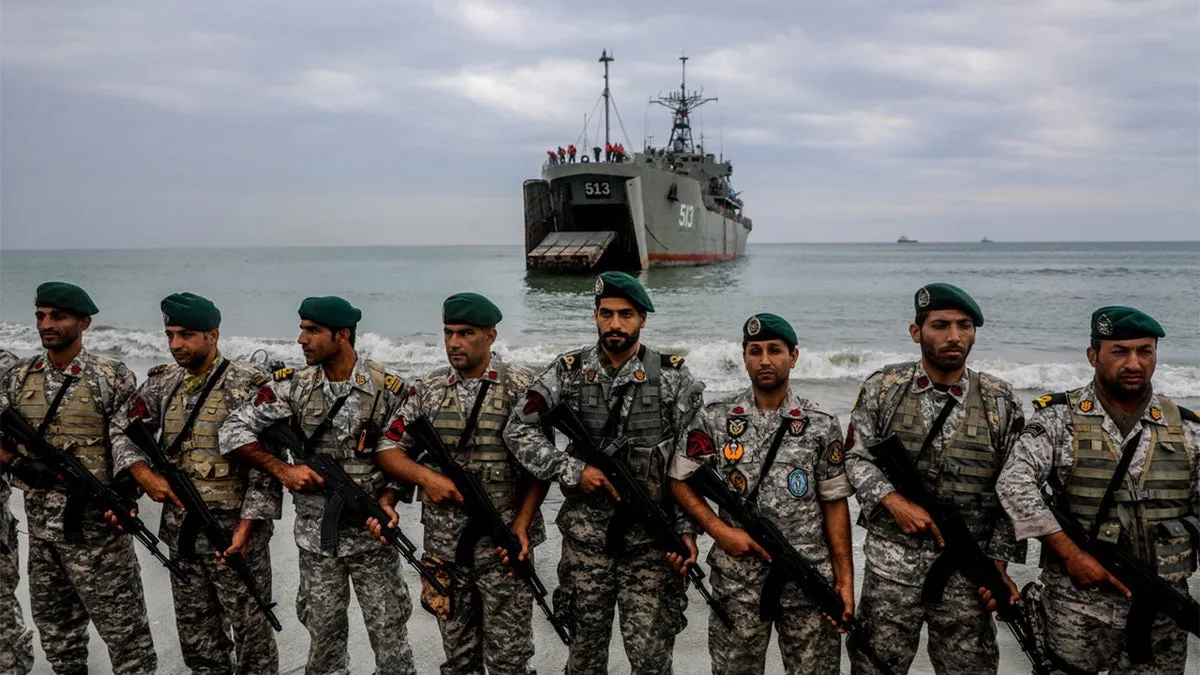
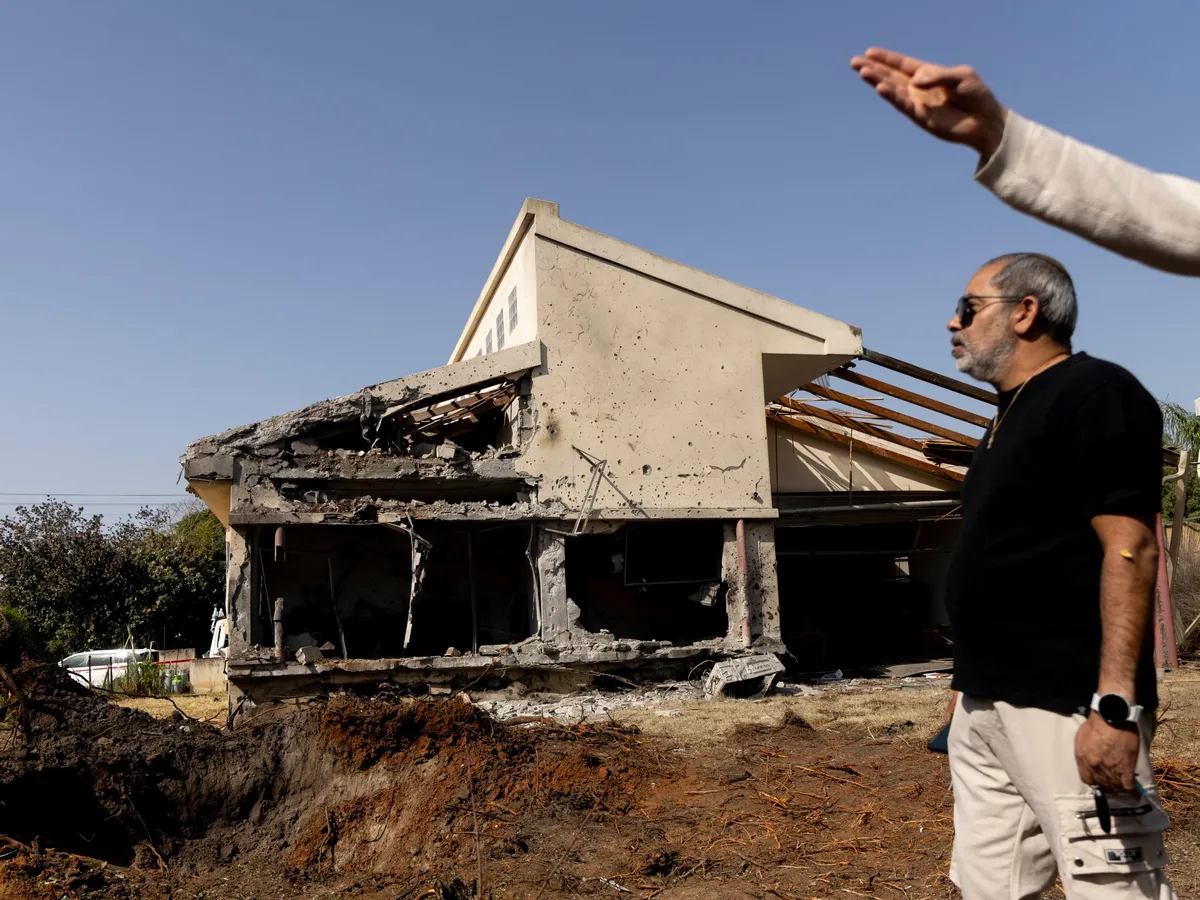
The United States has intensified its military actions in the region, conducting strikes on Iran with the aim of destroying its missile capabilities. US Defense Secretary Pete Hegseth stated, “Today will be yet again our most intense day of strikes inside Iran,” indicating the escalating nature of the conflict.
Reactions from Officials
Prime Minister Shehbaz Sharif remarked, “The entire region is currently in a state of war,” highlighting the broader implications of the conflict. Economic analysts, such as Amer Zafar Durrani, noted that while oil prices are a concern, the real economic threat lies in currency depreciation, which could further destabilize the economy.
As the situation develops, details remain unconfirmed regarding the full extent of the crisis and its long-term implications for Pakistan and the region.