Before the Shift
Prior to the recent developments, the political landscape in Iran was largely defined by the leadership of Ali Khamenei, who had been the Supreme Leader since 1989. His tenure was marked by a strong grip on power and a significant influence over the Islamic Revolutionary Guards Corps (IRGC) and other state apparatuses. The expectation was that Ali Khamenei would continue to guide Iran through its complex geopolitical challenges, especially in the face of external pressures from nations like the United States and Israel.
The Decisive Moment
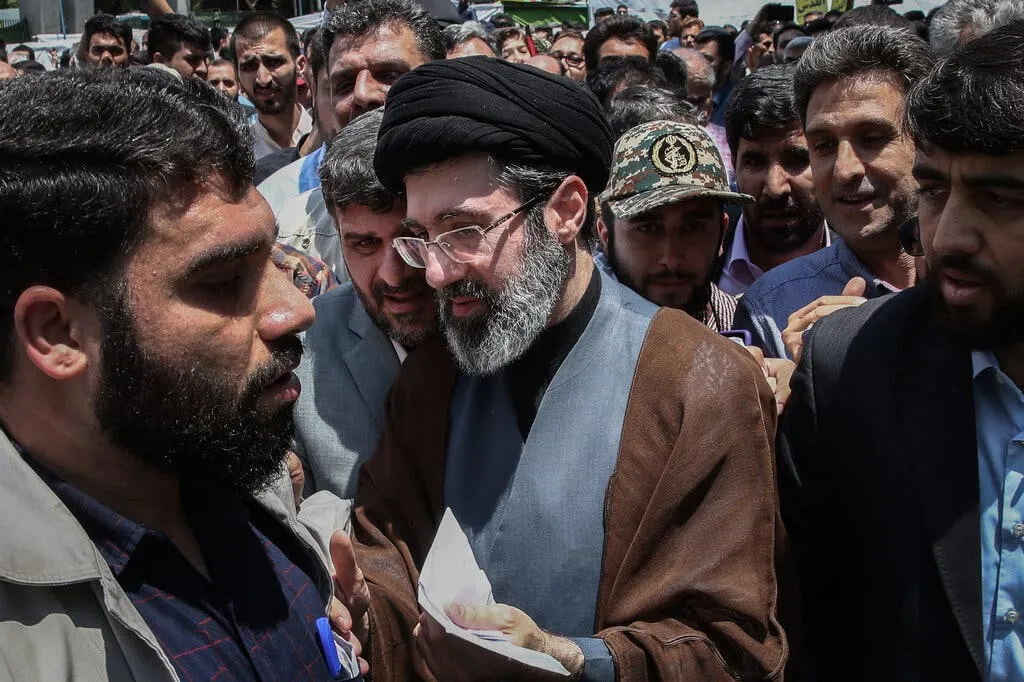
However, everything changed dramatically on February 28, 2026, when an Israeli airstrike targeted key figures in Iran, resulting in the death of Ali Khamenei and several family members, including Mojtaba Khamenei’s mother and wife. Just days later, on March 8, 2026, Mojtaba Khamenei was appointed as Iran’s Supreme Leader. This swift transition was unprecedented, especially given the circumstances surrounding his ascension. Reports indicate that Mojtaba Khamenei sustained injuries during the attack, leading to speculation about his health and ability to fulfill the responsibilities of leadership.
Immediate Effects
The immediate aftermath of the airstrike has been tumultuous. While Iranian officials have assured the public that Mojtaba Khamenei is safe, there are conflicting reports about the extent of his injuries, with some sources suggesting he may be in a coma. The IRGC and military have publicly pledged their allegiance to him, indicating a desire for continuity in leadership despite the chaos. However, public sentiment appears divided, with protests erupting in Tehran, where demonstrators have been heard chanting “Death to Mojtaba!” This reflects a significant level of opposition that could challenge his authority.
Expert Perspectives
Experts are weighing in on the implications of this leadership change. Yousef Pezeshkian, an Iranian politician, commented, “I heard news that Mr. Mojtaba Khamenei had been injured. I have asked some friends who had connections. They told me that, thank God, he is safe and sound.” However, the broader implications of his leadership remain uncertain. Emile Hokayem, a regional analyst, noted, “Killing him early is certainly an Israeli priority. If he survives, he becomes a totem, a testimony to the resilience of the system.” This highlights the precarious position Mojtaba Khamenei finds himself in, balancing both internal dissent and external threats.
Current Uncertainties
As the situation unfolds, several uncertainties loom over Mojtaba Khamenei’s leadership. The full extent of his injuries remains unclear, and it is uncertain how long he will remain out of public view. Speculation exists regarding whether he is capable of fulfilling his duties as Supreme Leader, especially given the critical nature of Iran’s political landscape. There are claims that he may delegate power to other officials due to his injuries, which could further complicate the governance of the country.
The transition to Mojtaba Khamenei’s leadership marks a significant turning point for Iran, one that is fraught with challenges and uncertainties. As the nation grapples with the aftermath of the airstrike and the implications of a new Supreme Leader, the future of Iran’s political stability hangs in the balance. Details remain unconfirmed, and the world watches closely as events continue to unfold.