Recent Fluctuations in IndiGo Share Price
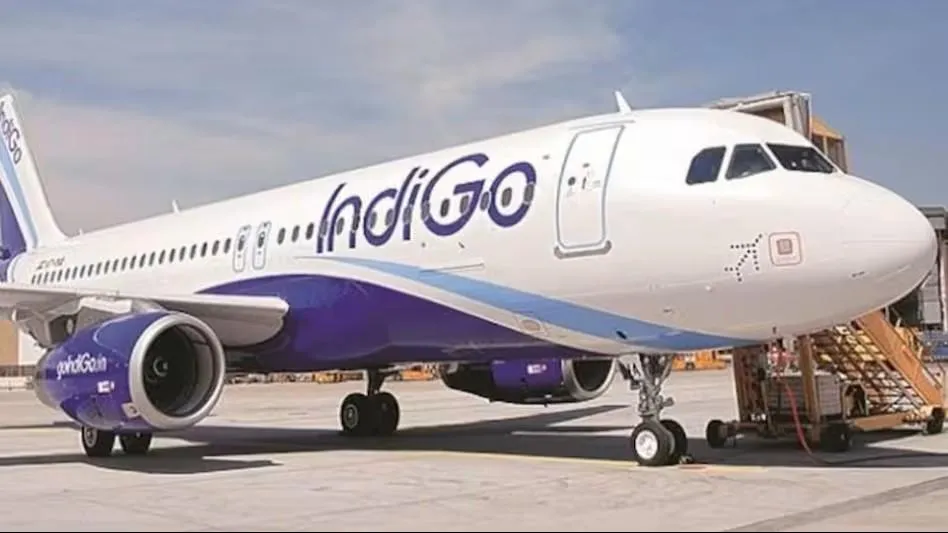
IndiGo, a leading player in the Indian aviation sector, has been in the spotlight recently due to fluctuations in its share price. On Wednesday, the stock rose by up to 2.61% during the trading session, reaching an intraday high of ₹4,494.60. This uptick comes amid significant changes in the company’s leadership, which have raised investor interest.
Leadership Changes at IndiGo
The recent rise in IndiGo’s share price coincides with the announcement that CEO Pieter Elbers has stepped down from his position, citing personal reasons. Following his departure, Rahul Bhatia has taken interim charge as chief executive. The market reaction suggests that this leadership transition did not create panic among investors, as evidenced by the stock’s performance on the day of the announcement.
Market Context and Share Performance
Despite the recent gains, IndiGo’s share price has faced challenges over the past month, having fallen 12.08% and 13.75% year-to-date. In contrast, the stock has shown resilience over a longer timeframe, with an increase of 133.25% over the last three years and 161.67% over the last five years. This long-term growth highlights the company’s ability to navigate market fluctuations effectively.
Impact of Fuel Prices on Operations
A significant factor influencing IndiGo’s operational costs is the price of aviation turbine fuel, which accounts for 35%–40% of airline operating expenses. Brent crude prices have surged more than 40% since the beginning of the year, impacting the airline industry broadly. However, recent softening of Brent crude prices has provided some relief to aviation stocks, including IndiGo.
Brokerage Insights and Investor Sentiment
In light of the leadership change, brokerages such as HSBC and Jefferies have maintained a ‘buy’ rating on IndiGo stock. This endorsement reflects confidence in the company’s long-term prospects despite the recent volatility. Analysts note that because the stock had already corrected significantly due to earlier geopolitical and oil-related concerns, the news of the CEO resignation did not trigger a sharp negative reaction in the market.
Looking Ahead
As IndiGo continues to adapt to its new leadership structure, the market will be closely watching how these changes affect its operational strategy and overall performance. The company’s strong domestic market share of over 60% positions it well to capitalize on recovery trends in the aviation sector.
In summary, the recent developments surrounding the IndiGo share price highlight the complexities of the aviation market and the impact of leadership changes on investor sentiment. With ongoing fluctuations in fuel prices and a competitive market landscape, IndiGo’s ability to navigate these challenges will be crucial for its future performance.