Key moments
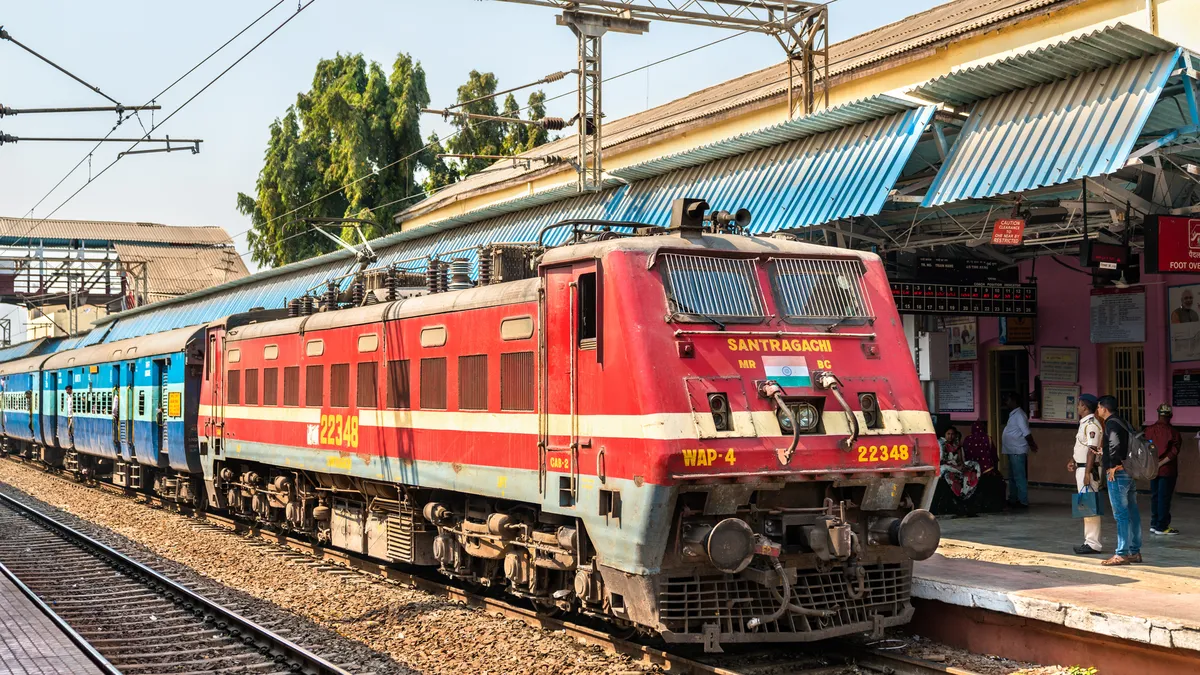
In a groundbreaking development, Indian Railways is set to revolutionize the transportation landscape of the nation. With nearly 25,000 trains running daily, the railway network is not just a mode of transport but a lifeline for millions of passengers across India. This transformation is spearheaded by Railways Minister Ashwini Vaishnaw, who emphasized, “Indian Railways is transforming connectivity across the nation with nearly 25,000 trains running every day throughout the year.” This ambitious endeavor aims to enhance the efficiency and reach of rail travel, making it more accessible to the public.
The immediate circumstances surrounding this transformation are impressive. Indian Railways has achieved a remarkable 1,670 million tonnes of freight loading in the fiscal year 2025-26. This achievement underscores the railway’s pivotal role in the logistics and transportation sector, facilitating the movement of goods across vast distances. Furthermore, the production capabilities of Indian Railways are noteworthy, with over 1,500 locomotives and more than 6,600 LHB coaches produced, showcasing the commitment to enhancing both passenger and freight services.
Broader implications of these developments reveal a strategic vision for Indian Railways. The commissioning of the Kavach Automatic Train Protection System over 3,000 route kilometres is a significant step towards ensuring safety and efficiency in train operations. This system is designed to prevent collisions and enhance the overall safety of rail travel, which is paramount in a country with such a vast railway network. The integration of advanced technology into the railway system reflects a commitment to modernization and improved service delivery.
In addition to safety measures, Indian Railways is also investing heavily in communication infrastructure. Recently, the railway authority approved a ₹398.36 crore optical fibre project aimed at enhancing connectivity in the Ahmedabad and Ratlam divisions. This project, which covers 1,929 route kilometres, is part of a larger ₹27,693 crore national plan for establishing a robust railway communication backbone. This initiative is expected to bolster operational efficiency and provide better services to passengers and freight customers alike.
The optical fibre project is particularly significant as it lays the groundwork for future advancements in railway communication technology. By laying high-capacity fibre optic cables, Indian Railways aims to create a seamless communication network that will support various operational needs, including real-time tracking of trains and improved customer service. This is a crucial step in aligning Indian Railways with global standards in railway operations.
As these developments unfold, the reactions from various stakeholders have been overwhelmingly positive. Officials and industry experts are optimistic about the potential impact of these initiatives on the economy and the daily lives of citizens. The emphasis on safety, efficiency, and connectivity is expected to enhance the overall travel experience for millions of passengers who rely on Indian Railways for their daily commutes.
In summary, Indian Railways is on a transformative journey, marked by significant achievements and ambitious projects that promise to reshape the future of transportation in India. With a focus on safety, efficiency, and advanced technology, the railway network is poised to play a critical role in the nation’s growth and development. As the plans roll out, the anticipation builds for a more connected and efficient railway system that meets the needs of a rapidly evolving society.