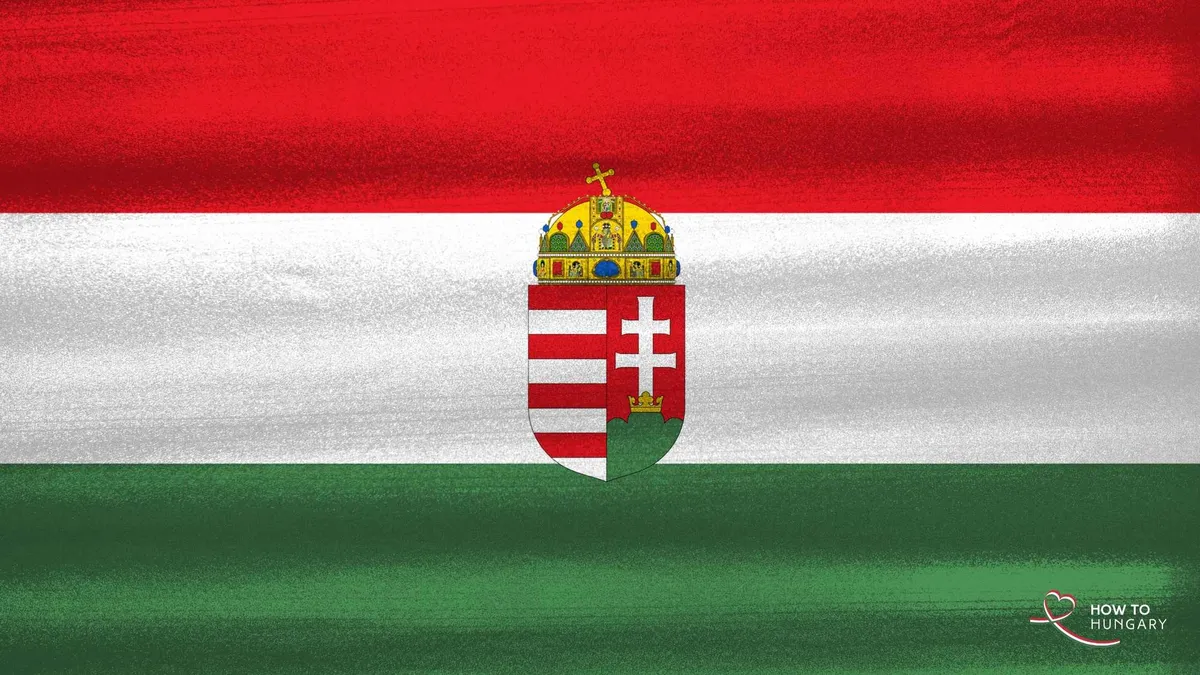
“All Hungarians know that this is a shared victory. Our homeland made up its mind. It wants to live again. It wants to be a European country,” declared Péter Magyar, the newly elected Prime Minister of Hungary, as he celebrated his stunning victory over Viktor Orbán, who had held the office for an unprecedented 16 years. Magyar’s party, Tisza, garnered more than 53% of the vote, a decisive mandate that signals a dramatic shift in Hungary’s political landscape.
The election, held on April 12, 2026, saw a remarkable voter turnout of nearly 80%, the highest in Hungary’s post-Communist history. This surge in civic engagement reflects a growing desire among Hungarians for change, particularly in light of Orbán’s increasingly authoritarian policies and strained relations with the European Union. As the results rolled in, Orbán’s Fidesz party managed only 37% of the vote, leading to his concession of defeat.
Magyar’s victory is not just a personal triumph; it represents a broader shift in Hungary’s alignment with European values. In his victory speech, he emphasized the importance of rebuilding relationships with the EU and NATO, stating, “Hungary has chosen Europe. Europe has always chosen Hungary. Together, we are stronger,” echoing sentiments shared by EU leaders who congratulated him on his win. The election results are expected to transform political dynamics within the EU, as Hungary moves away from Orbán’s isolationist stance.
Orbán’s administration had faced criticism for its authoritarian approach, which included curtailing press freedoms and undermining judicial independence. His government had also been accused of corruption, which Magyar campaigned against vigorously, focusing on everyday issues like health care and public transport. The former Prime Minister had been a close ally of controversial figures such as U.S. President Donald Trump and Russian President Vladimir Putin, further complicating Hungary’s international relations.
In a statement reflecting on the election’s significance, Spanish Prime Minister Pedro Sánchez remarked, “Today Europe wins and European values win,” highlighting the broader implications of Magyar’s victory for democratic governance in the region. British Labour leader Keir Starmer added, “This is a historic moment, not only for Hungary, but for European democracy,” reinforcing the idea that this election could serve as a bellwether for other nations grappling with similar issues.
As Hungary embarks on this new chapter, the eyes of the world will be watching closely. Magyar’s administration is expected to prioritize restoring Hungary’s standing within the EU, which had been severely tested under Orbán. The new Prime Minister’s commitment to European integration is a stark contrast to his predecessor’s approach, which often pitted Hungary against EU norms and regulations.
With the election results now confirmed, Magyar’s first steps in office will be crucial. His ability to navigate the complex landscape of Hungarian politics while addressing the pressing needs of the populace will determine the success of his administration. As he prepares to take office, the anticipation surrounding his policies and their potential impact on Hungary’s future is palpable. The journey ahead is fraught with challenges, but for many Hungarians, the promise of a renewed commitment to European values offers a glimmer of hope.