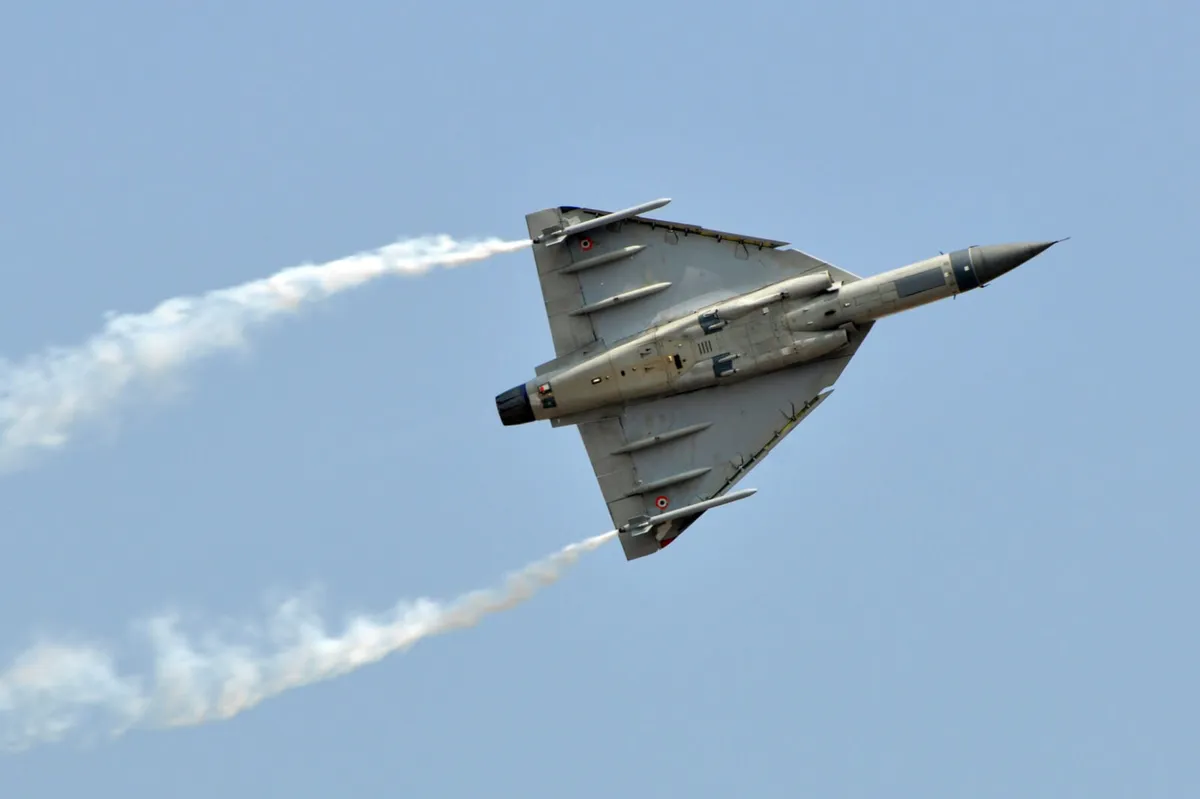
In a significant turn of events for India’s indigenous defense capabilities, the HAL Tejas fleet is set to take to the skies once again on April 8, 2026. This announcement follows a grounding that began in February 2026, triggered by a landing mishap that raised concerns about the aircraft’s operational safety.
HAL chairman DK Sunil confirmed that all Tejas jets are ready to resume flights, stating, “All the Tejas jets are set to fly again from next Wednesday.” This optimistic outlook comes as the Indian Air Force (IAF) operates 32 to 34 HAL Tejas Mk1 fighter jets across two operational squadrons.
However, the path to this moment has not been without its hurdles. The Tejas Mk-1A program, which aims to deliver over 20 aircraft by December 2026, has faced delays primarily due to issues with engine supplies from GE Aerospace. As of now, GE has only delivered six out of a contracted 99 F404 engines, with the first engine arriving in March 2025.
HAL has taken a firm stance on the delays, imposing penalties on GE Aerospace for the slow pace of engine deliveries. The company is expected to deliver another engine by the end of April 2026, but the overall timeline remains a concern.
India has ordered a total of 180 Tejas Mk1A variants to replace aging MiG-21s, a move that underscores the importance of this program for the country’s defense strategy. The Tejas aircraft are designed to be compatible with modern missiles, laser-guided bombs, and helmet-mounted displays, enhancing their combat effectiveness.
Despite the challenges, experts like Philip Rajkumar emphasize the Tejas’s capabilities, asserting, “In performance, in sheer performance, LCA Tejas is better.” This sentiment reflects a growing confidence in the aircraft’s potential, even as the program has taken longer and cost more than initially anticipated.
The Tejas program has faced numerous organizational and support challenges over the decades, leading to frustrations among stakeholders. Sandeep Unnithan noted, “India spent relatively modest sums on the programme and abandoned it too early, while China poured in tens of billions of dollars with a national-level push.” This comparison highlights the strategic importance of sustaining and advancing India’s indigenous defense projects.
As the IAF prepares to bring the Tejas jets back into service, the focus will be on ensuring that the aircraft meet the rigorous demands of modern aerial warfare. The successful resumption of flights could mark a turning point for the Tejas program, potentially restoring confidence in India’s self-reliance in defense manufacturing.
With the resumption of operations on the horizon, the future of the HAL Tejas looks promising, provided that the challenges surrounding engine supplies and program management are effectively addressed. The next few months will be crucial in determining the trajectory of this ambitious project.