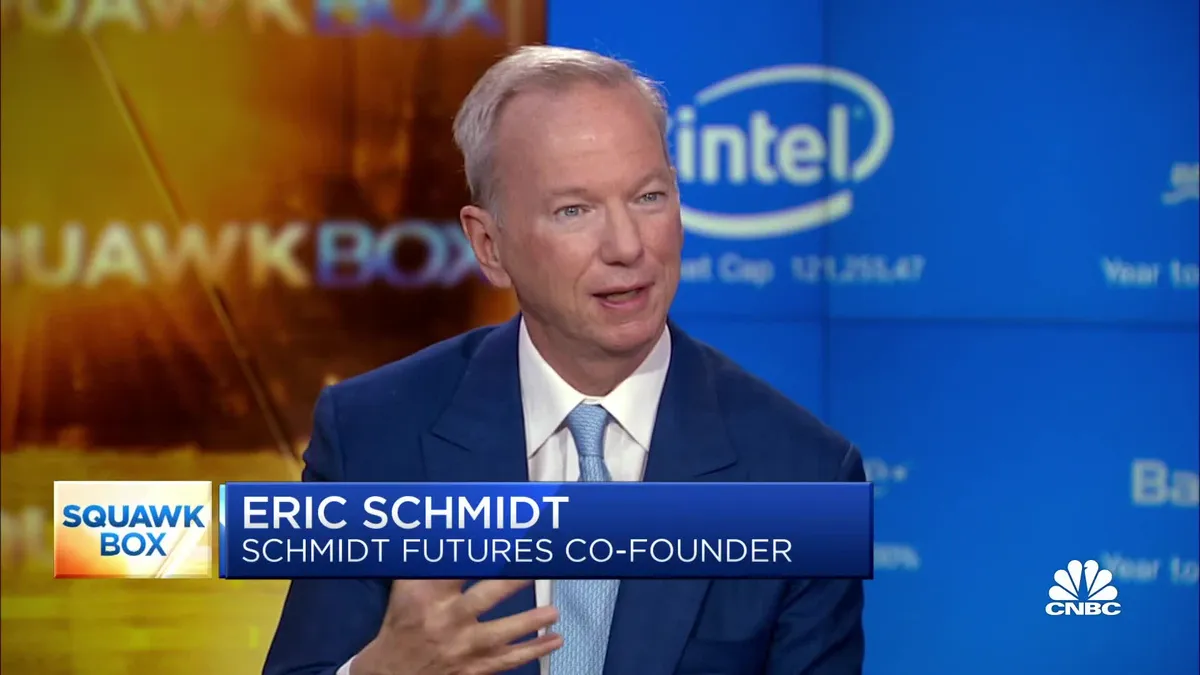
In a bold assertion, Eric Schmidt has declared that the best programmers no longer write code; instead, they craft specifications and set evaluation criteria, allowing AI to handle the heavy lifting. This shift signifies a transformative moment in the tech industry, where the role of the programmer is evolving dramatically.
Schmidt illustrated this change with a compelling example: a startup programmer utilizing AI to complete tasks that would have traditionally taken six months and required a team of ten engineers at Google. “The best programmers don’t write code anymore, they write specs, set evaluation criteria, and let AI work overnight,” he stated, emphasizing the efficiency AI brings to the development process.
As AI continues to advance, Schmidt argues that the most skilled engineers will become increasingly valuable, potentially ten times more so, as they pivot towards high-level system orchestration and business automation. “Top programmers will become more valuable, not less,” he noted, highlighting the new opportunities that will arise from this technological evolution.
Moreover, Schmidt predicts that the most significant impact of AI will be in automating the “boring” backbone of business operations, such as billing, accounting, and logistics. This automation is expected to free up human resources for more strategic and creative endeavors.
Looking ahead, Schmidt forecasts the arrival of Artificial General Intelligence (AGI) by 2029, driven by self-improving AI systems. This prediction underscores the urgency for programmers and engineers to adapt to the changing landscape of their profession.
Schmidt’s insights reflect a broader shift in programming roles due to advancements in AI, suggesting that traditional coding roles may change significantly. As the industry evolves, the focus will increasingly be on guiding AI rather than performing manual coding tasks.
With these developments, the tech community is left to ponder how these changes will reshape the future of work in programming and beyond. Details remain unconfirmed regarding the specific timelines and implications of these shifts, but the conversation around AI’s role in programming is only just beginning.