On the night of April 3, 2026, residents of Delhi-NCR experienced alarming tremors as a significant earthquake struck Afghanistan, measuring 5.9 in magnitude. The epicenter of this seismic event was located in the Hindu Kush mountain range, approximately 150 km east of Kunduz, Afghanistan, at a depth of 177 km.
As the tremors rippled through the region, many residents in Delhi and surrounding areas rushed out of their homes, seeking safety in the streets. Fortunately, initial reports indicated that the tremors were mild, with no immediate casualties or damage reported in Delhi itself.
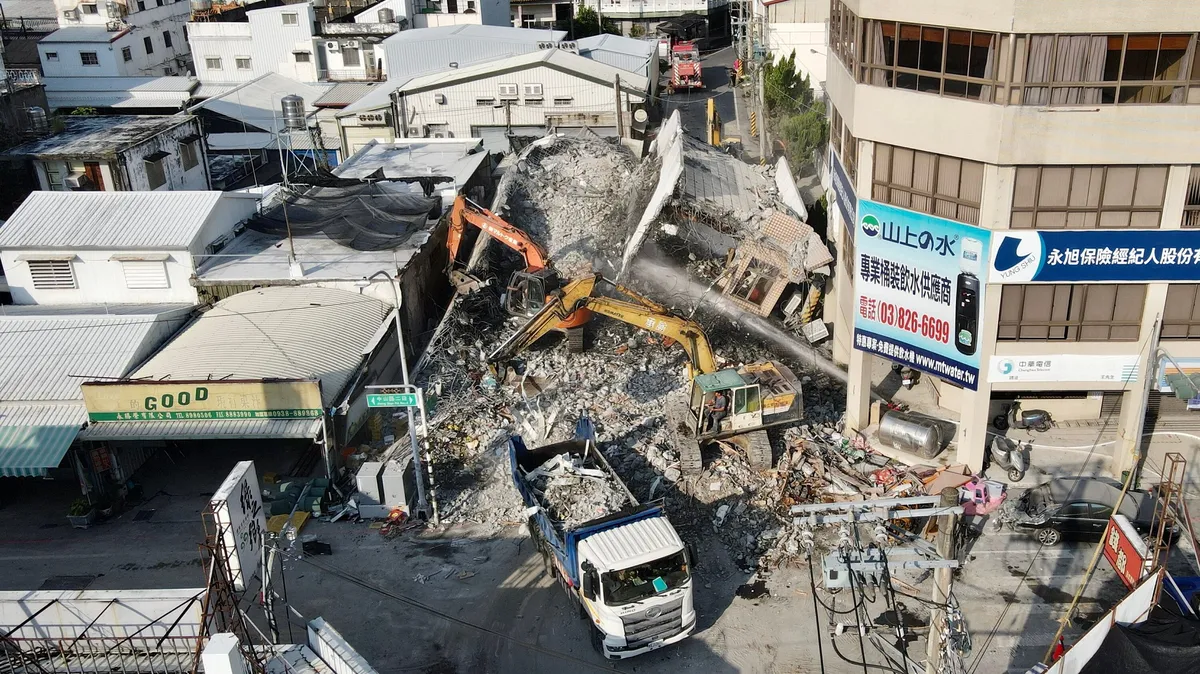
However, the earthquake had devastating consequences in Afghanistan, where a house in Kabul province collapsed, resulting in the tragic deaths of eight residents and injuring a child. This incident highlights the ongoing vulnerability of Afghanistan to seismic activity, which claims an average of 560 lives each year.
The tremors were also felt in parts of North India, including Noida and Ghaziabad, as well as across the border in Pakistan, affecting cities like Islamabad and Peshawar. This incident marks the second time in 2026 that tremors have been felt in the region, raising concerns among residents about the potential for future seismic events.
Details remain unconfirmed regarding any further impacts or aftershocks in the region, but the psychological effects of such tremors can linger long after the shaking stops. The fear of earthquakes is a reality for many in this seismically active area, and the recent events have only intensified those fears.
As emergency services and local authorities assess the situation, the focus remains on ensuring the safety of residents and providing assistance to those affected by the earthquake in Afghanistan. The international community is also expected to respond to the humanitarian needs arising from this disaster.
In the wake of this earthquake, officials are urging residents to remain vigilant and prepared for any aftershocks, as the region continues to grapple with the implications of seismic activity. The tremors serve as a stark reminder of the natural forces that can impact daily life in this part of the world.