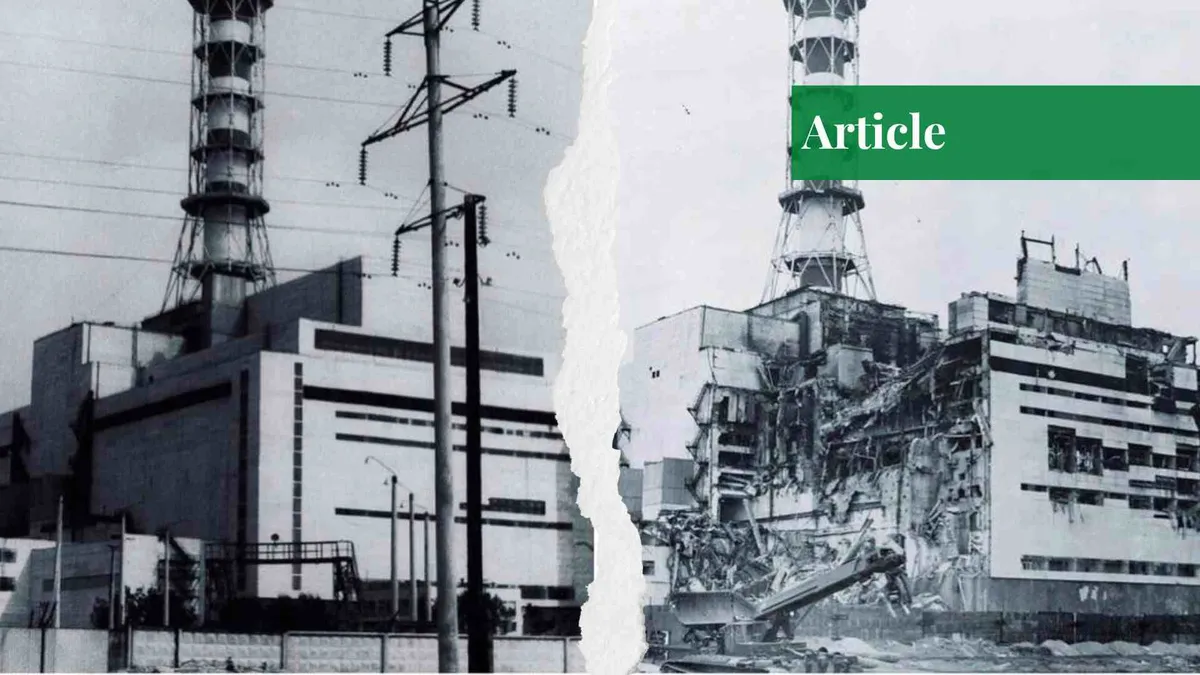
The Impact of Chernobyl: A Story of Resilience
The Chernobyl disaster, which occurred in 1986, remains one of the worst nuclear disasters in history, with long-lasting effects that continue to resonate today. Oksana Masters, born with several birth defects linked to radiation exposure from her birth mother’s proximity to the disaster, exemplifies the profound impact of this event. Masters was born with six toes, webbed hands, and missing several organs, including one kidney, highlighting the severe consequences of radiation exposure.
Masters’s journey took a significant turn when she was adopted by a professor at the University at Buffalo in New York. Despite her challenges, including becoming a double amputee by the age of 10 after surgery to remove her impaired left leg, she has emerged as a symbol of resilience. In 2012, she won her first Paralympic medal, a bronze in adaptive rowing, and later achieved remarkable success by winning gold medals in cross-country skiing at the 2018 Winter Paralympics in PyeongChang, South Korea.
Reflecting on her experiences, Masters stated, “They linked it to Chernobyl because I was really not that far from there, and the fact that radiation levels continued to rise years after the explosion.” Her story illustrates not only the personal struggles faced by those affected by the Chernobyl disaster but also the broader implications of nuclear accidents.
The Chernobyl disaster is often compared to the Fukushima disaster, which occurred on March 11, 2011, following a 9.0 magnitude earthquake and tsunami. The Fukushima Daiichi nuclear power plant suffered severe damage, leading to the meltdown and explosion of three reactors. The total cost of the Fukushima accident reached an estimated $119 billion, encompassing dismantlement and compensation efforts. This comparison underscores the ongoing challenges and lessons learned from nuclear energy management.
In the wake of the Fukushima disaster, the Japanese government nationalized TEPCO in 2012, emphasizing the need for accountability in the nuclear energy sector. The nuclear exclusion zone around Fukushima covers an area of 444 square miles, a stark reminder of the disaster’s far-reaching consequences. Before the incident, Japan had 54 nuclear reactors, supplying approximately 30% of the country’s energy. The events at Fukushima have prompted calls for a reevaluation of Japan’s energy policies.
Experts like Tatsujiro Suzuki have emphasized the importance of learning from the lessons of Fukushima, advocating for a gradual reduction in Japan’s dependency on nuclear energy. This sentiment echoes the broader concerns surrounding nuclear safety and the need for stringent regulations to prevent future disasters.
Oksana Masters’s journey from a challenging start to becoming a celebrated athlete serves as a testament to the resilience of individuals affected by the Chernobyl disaster. She remarked, “I don’t want to say I was a product of it [the Chernobyl disaster] but, out of something horrific, it’s about how you can see the potential and possibilities – like becoming an athlete – instead of dwelling on it.” Her perspective highlights the potential for growth and achievement despite the shadows of past tragedies.
As the world continues to grapple with the legacy of Chernobyl and Fukushima, the stories of individuals like Oksana Masters remind us of the human spirit’s capacity to overcome adversity. While the details of ongoing health impacts and environmental recovery remain a topic of research, the resilience demonstrated by those affected offers hope for a brighter future.