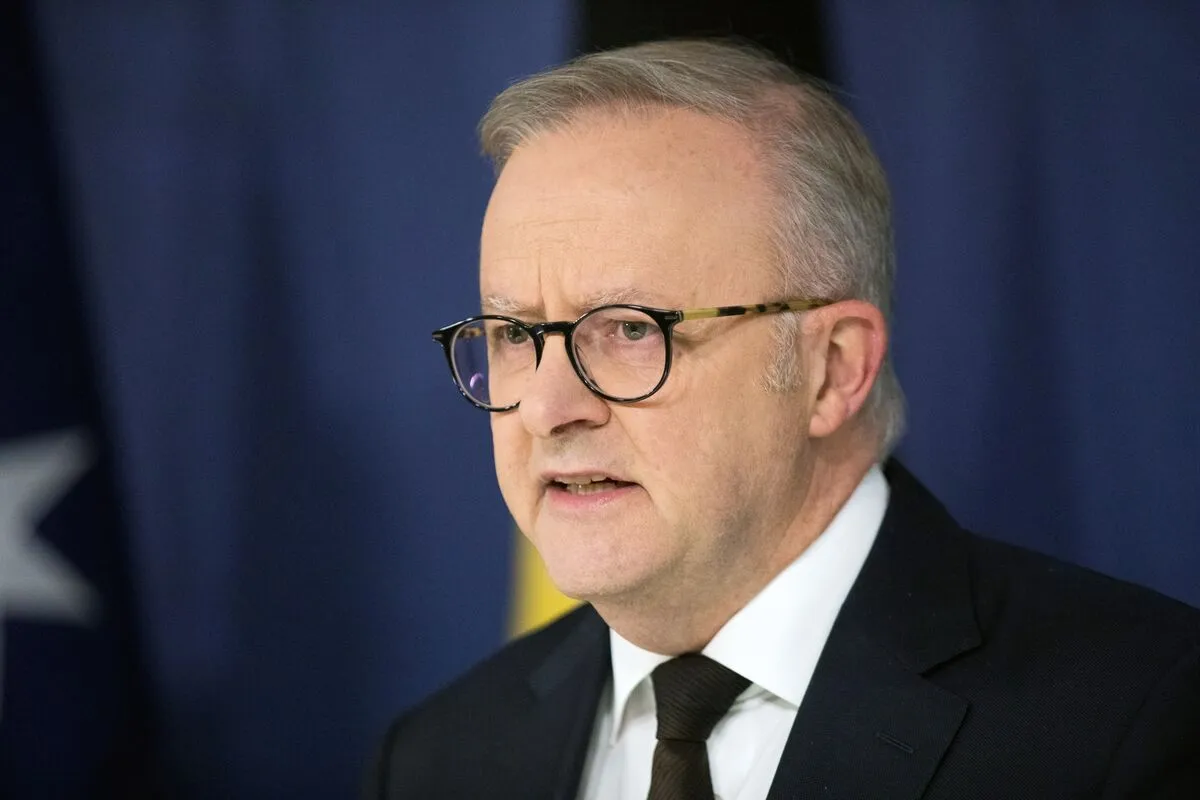
“Engaging with critical regional partners such as Brunei Darussalam and Malaysia will help ensure Australia’s energy supply remains secure during times of uncertainty,” stated Australian Prime Minister Anthony Albanese ahead of his upcoming visit to the Southeast Asian nations.
Albanese’s trip, scheduled from April 14 to 17, 2026, comes at a time when Australia faces significant challenges in securing its energy resources. The visit will include crucial meetings with Brunei’s ruler Sultan Hassanal Bolkiah and Malaysian Prime Minister Anwar Ibrahim.
The backdrop for this diplomatic engagement is a series of disruptions in global fuel supplies, particularly stemming from the ongoing conflict in the Middle East. Australia, which imports approximately 80% of its fuel, has been grappling with localised shortages and soaring prices since the closure of the Strait of Hormuz.
Brunei plays a vital role in Australia’s energy landscape, supplying 9% of its diesel imports and 11% of its fertiliser-grade urea imports. Meanwhile, Malaysia stands as Australia’s third-largest source of refined fuel, contributing another 10% of fertiliser-grade urea imports.
Albanese emphasized the importance of these relationships, saying, “I will travel to Brunei and Malaysia for talks focused on securing the supply of fuel and fertiliser.” This proactive approach underscores Australia’s reliance on its regional partners amid fluctuating global markets.
Moreover, Australia is a significant player in the energy supply chain for Malaysia, providing 95% of its imported natural gas. This interdependence highlights the critical nature of the discussions that will take place during Albanese’s visit.
As the Prime Minister and Foreign Minister Penny Wong engage with these regional partners, the focus will remain on ensuring energy supply security for Australia, particularly as the geopolitical landscape continues to evolve.
With energy needs becoming increasingly pressing, the outcomes of these talks could have lasting implications for both Australia and its Southeast Asian neighbors. The international community will be watching closely as developments unfold in the coming days.