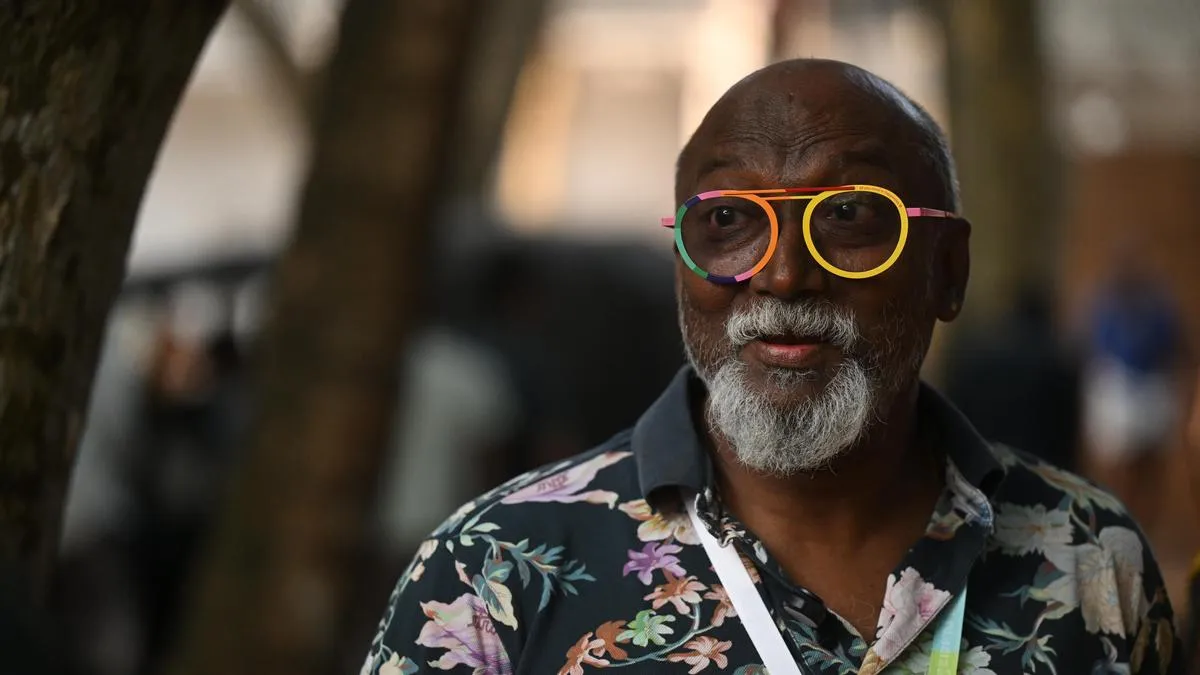
“Mr. Krishnamachari’s resignation was connected with the complaint and the KBF’s Internal Committee is taking action on the complaint,” stated V. Venu, confirming the gravity of the situation surrounding Bose Krishnamachari, a prominent figure in the Indian art scene.
On January 3, 2026, Krishnamachari resigned from his position at the Kochi Biennale Foundation following a sexual harassment complaint lodged by a woman who had worked under him. The incident reportedly took place on December 28, 2025, and the complaint was filed with the Internal Complaints Committee under the Sexual Harassment of Women at Workplace (Prevention, Prohibition and Redressal) Act, 2013.
In a statement, Krishnamachari cited family reasons for his resignation, but he has vehemently denied the allegations, asserting that “the allegations were misleading and unsubstantiated and taken out of context.” This response has drawn attention to the complexities of the case, as he has initiated legal action against the claims.
The unnamed complainant described her experience, saying, “She felt trapped and violated and had at no point given her consent to physical contact or remarks or advances.” This stark contrast in narratives highlights the sensitive nature of the allegations and the potential ramifications for all parties involved.
V. Venu, who is closely associated with the Kochi Biennale, confirmed that the Internal Complaints Committee is actively investigating the matter. “A complaint was received with the Internal Complaints Committee under the PoSH Act… This was in December,” he noted, emphasizing the procedural steps being taken.
Bose Krishnamachari, a co-founder of the Kochi Muziris Biennale, has played a pivotal role in shaping the cultural landscape of the region since serving as co-curator of the first edition of the biennale in 2012. His contributions to the art community have been significant, making this incident particularly impactful.
Despite the serious nature of the allegations, there has been no police complaint related to the incident at the time of his resignation. This absence of criminal charges adds another layer of complexity to the unfolding situation.
The sixth edition of the Biennale, which opened on December 12, 2025, has now become a focal point for discussions surrounding the allegations against Krishnamachari. As the art community grapples with this controversy, the future of the biennale and its leadership remains uncertain.
As developments continue to unfold, many are watching closely to see how the Kochi Biennale Foundation will navigate this challenging situation and what implications it may have on the broader art community in India.