Political Landscape Before the Uprising
Prior to the upheaval in 2024, Bangladesh was characterized by a political environment dominated by the Awami League, led by Sheikh Hasina. The party had maintained a firm grip on power, with Parliament functioning under a system that many critics described as increasingly authoritarian. The India-Bangladesh Friendship Pipeline, operational since 2017, facilitated energy trade, including diesel supplies from India, which was crucial for the country’s economy.
The Decisive Moment
The situation escalated dramatically in 2024, culminating in a deadly uprising that resulted in approximately 1,400 deaths and over 20,000 injuries. This unrest led to significant political changes, with the Bangladesh Nationalist Party (BNP) emerging as a major force. In the subsequent elections, the BNP-led alliance secured 212 seats in Parliament, with the BNP itself winning 209 seats, marking a stark contrast to the previous political dominance of the Awami League.
Immediate Effects on Governance
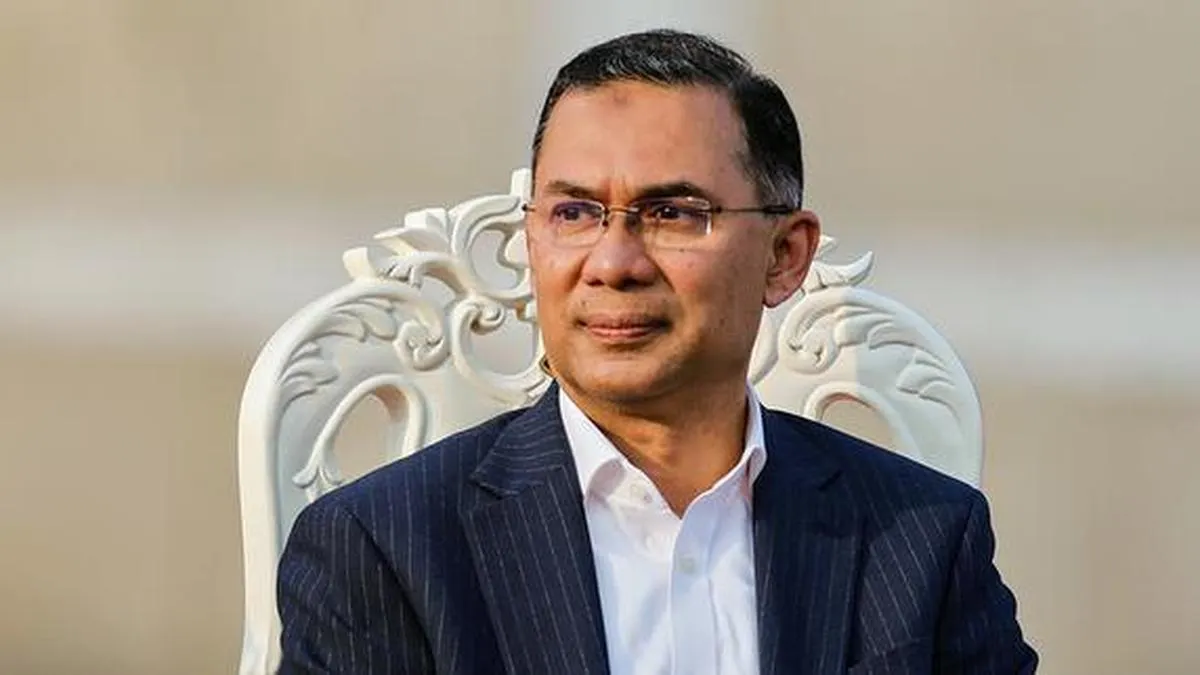
The recent parliamentary session convened for the first time since the uprising, signaling a shift in governance. Tarique Rahman, the leader of the BNP, expressed optimism about the new political landscape, stating, “After more than a decade and a half of fascist and subservient rule, the activities of Parliament are beginning today with representatives elected by the people.” This change has reinvigorated the political discourse in Bangladesh.
Expert Perspectives
Political analysts note that the uprising and subsequent elections have fundamentally altered the dynamics of governance in Bangladesh. The BNP’s focus on restoring democracy and addressing the energy crisis, exacerbated by the closure of universities and fuel rationing, reflects a significant shift in priorities. Rahman emphasized the need for Parliament to become the center of national debates, stating, “We will make Parliament the centre of all debates and arguments aimed at resolving the country’s problems.”
As Bangladesh navigates this new political terrain, the implications of the 2024 uprising continue to unfold. The transition from a long-standing authoritarian regime to a more democratic framework presents both opportunities and challenges for the nation moving forward.