How it unfolded
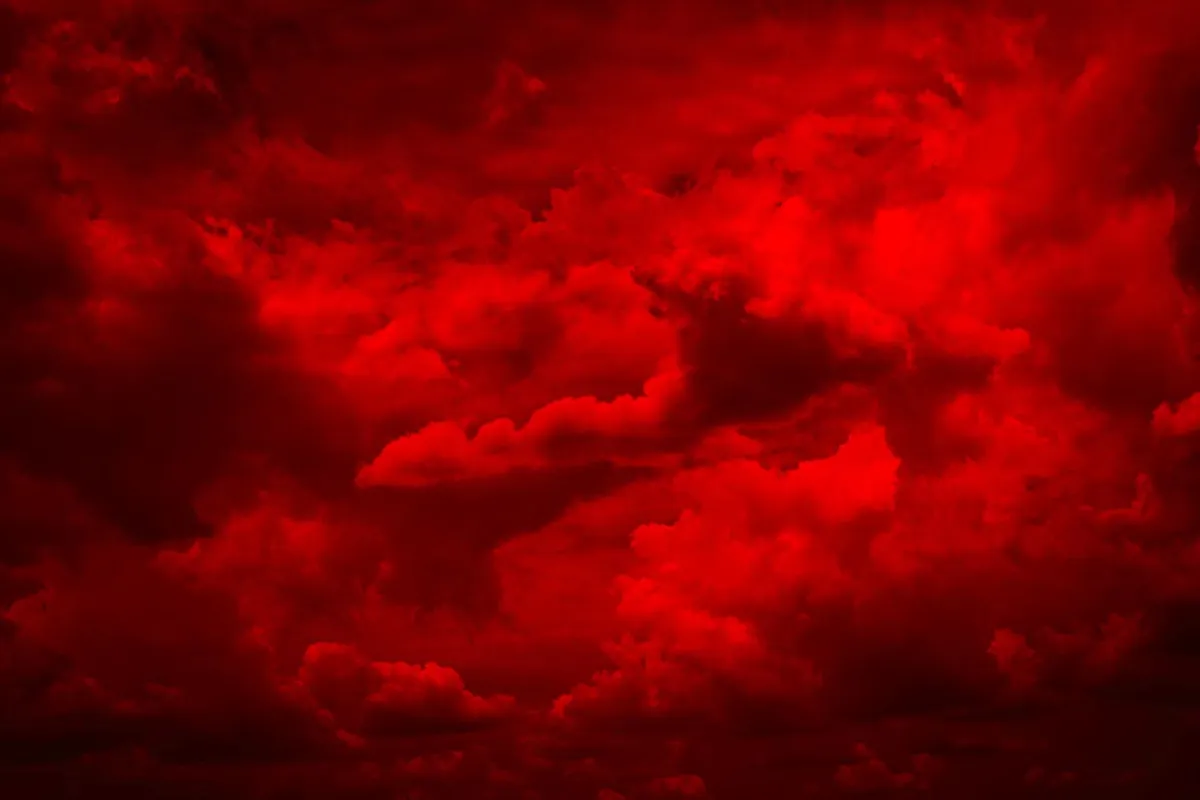
As the sun began to set on March 30, 2026, residents of Western Australia were greeted by an astonishing sight: a sky painted in deep shades of red. This vivid transformation was not merely a trick of the light, but rather the result of atmospheric dust stirred up by the winds of Tropical Cyclone Narelle. The cyclone, which had formed near the Solomon Islands, approximately 2,000 kilometers northeast of Australia, was making its presence felt far beyond its point of origin.
In the weeks leading up to the cyclone’s arrival, the greater northwest region of Australia had seen only 10-50 mm of rainfall. This dry spell set the stage for the unusual dust storms that would follow. As Narelle’s winds, which extended 200-260 kilometers from its center, swept across the landscape, they picked up fine particles of soil rich in iron oxides, creating the striking red hue that captivated onlookers.
Tom Gill, a local resident, expressed his astonishment at the phenomenon, stating, “This is pretty extreme! It’s about the reddest dust levels I’ve ever seen.” His sentiment echoed the feelings of many who found themselves staring up at the unusual sky, a stark contrast to the typical weather patterns associated with tropical cyclones, which usually bring heavy rainfall rather than dry dust storms.
As the cyclone made landfall, it impacted not just Western Australia, but also Queensland and the Northern Territory, marking a relatively rare event where a storm affected three Australian states and territories. NASA noted the significance of this occurrence, highlighting the unusual nature of such widespread impact.
Despite the cyclone’s formidable winds, which had the potential to cause significant damage, the immediate concern for many was the dust storm that enveloped their surroundings. A holiday park owner remarked, “Not a lot of wind yet. Let’s hope we get enough rain to wash it all off. It’s an inside day for us, that’s for sure.” This sentiment captured the mixed feelings of anxiety and awe that accompanied the cyclone’s arrival.
The red skies were not just a visual spectacle; they served as a reminder of the complex interplay between tropical cyclones and Australia’s arid desert climates. Such storms can create unique weather phenomena, transforming the environment in unexpected ways. The iron-rich soils of the Pilbara region contributed significantly to the striking appearance of the sky, as the winds carried the dust across vast distances.
As the cyclone continued its path, the situation remained dynamic. While the immediate effects of the dust storm were evident, the long-term implications for the affected regions were still unfolding. Communities braced for potential damage from the cyclone’s winds, while also grappling with the surreal beauty of the red sky.
In the aftermath of Tropical Cyclone Narelle, the extraordinary events of that day will be remembered not just for the destruction they may have caused, but also for the rare atmospheric phenomenon that captivated the hearts and minds of those who witnessed it. As the dust settled, both literally and figuratively, the people of Western Australia were left to ponder the impact of nature’s forces on their lives and landscape.