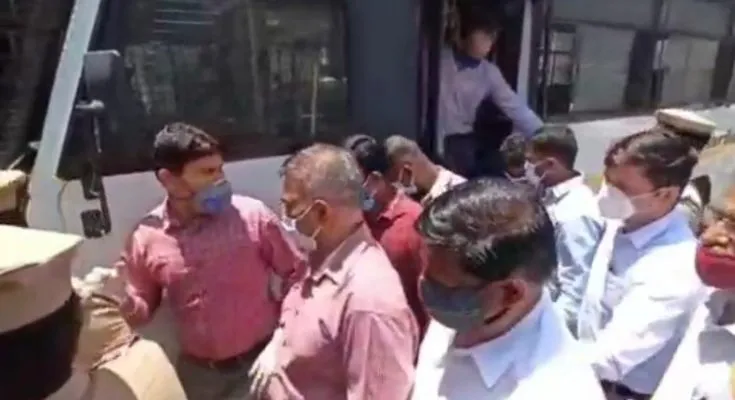
“The court also sentenced two associates of Andrabi, Sofi Fehmeeda and Nahida Nasreen, who were also convicted for 30 years in prison in the same case,”
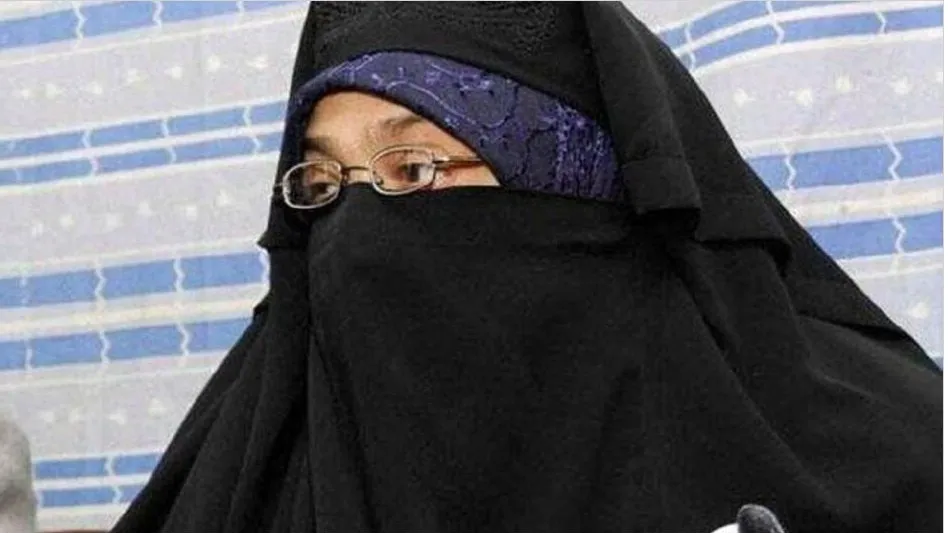
On March 24, 2026, a Delhi court sentenced Asiya Andrabi, the controversial leader of the banned organization Dukhtaran-e-Millat, to life imprisonment under the Unlawful Activities (Prevention) Act (UAPA). The court found her guilty of promoting a secessionist ideology and inciting hatred against India, a ruling that underscores the Indian government’s ongoing crackdown on separatist movements.
Andrabi’s associates, Sofi Fehmeeda and Nahida Nasreen, were also convicted and received 30-year prison sentences each. The trio was found to be active members of the proscribed terrorist organization, which has been linked to various acts of violence in Kashmir.
The case against Andrabi and her associates was initiated by the National Investigation Agency (NIA) following directives from the Union Ministry of Home Affairs. The NIA’s investigation revealed that the accused were involved in activities that threatened the sovereignty of India, leading to their arrests.
Dukhtaran-e-Millat, founded in 1987 and banned in 2004, is known for its all-women membership and has been a vocal proponent of separatist sentiments in Kashmir. The organization has faced scrutiny for its alleged connections to terrorism and violence in the region.
The court’s ruling reflects a broader strategy by Indian authorities to combat terrorism and separatism, particularly in Kashmir, where tensions have been high for decades. The NIA successfully demonstrated that the accused were not only members but also active participants in promoting the organization’s agenda.
As the legal proceedings continue, the implications of this ruling may resonate beyond the courtroom, potentially influencing public sentiment and policy regarding separatist movements in India.
Details remain unconfirmed regarding any potential appeals from Andrabi or her associates, but the case is expected to remain a focal point in discussions about national security and terrorism in India.