Key moments
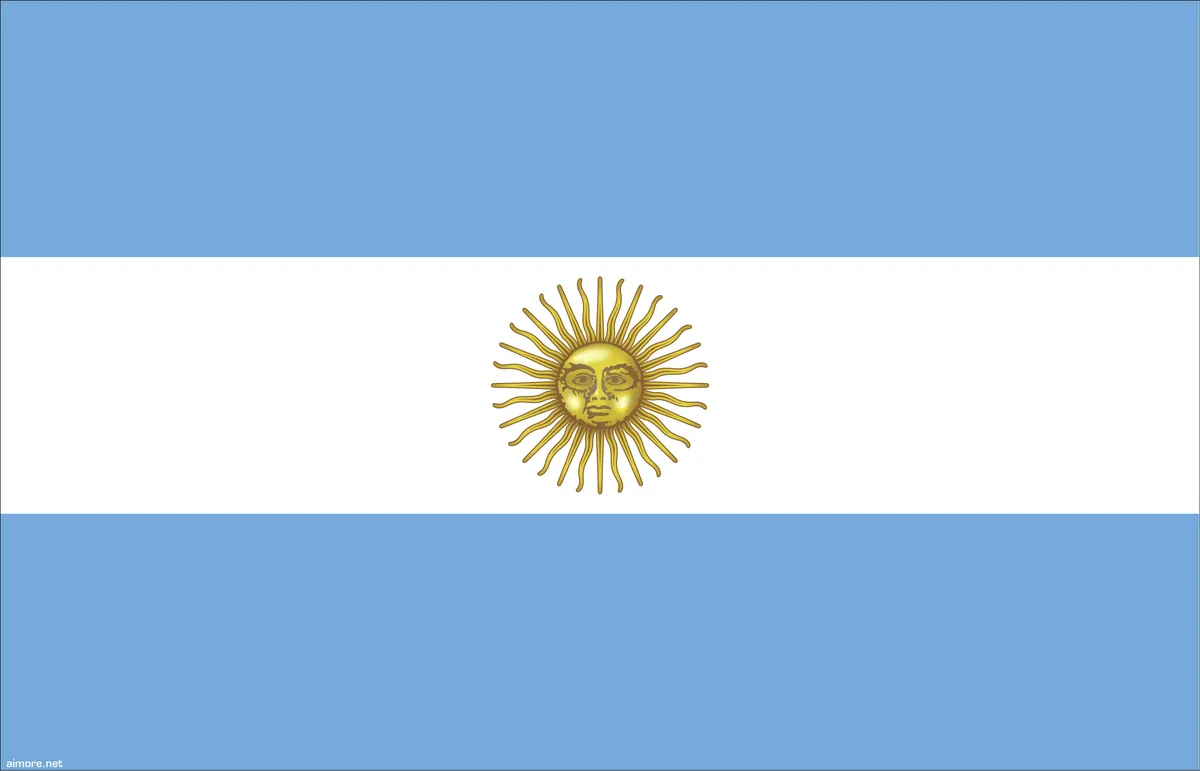
In a decisive move on March 26, 2026, Argentina has officially designated the Jalisco New Generation Cartel (CJNG) as a terrorist organization. This landmark decision, announced by the office of President Javier Milei, aims to bolster international cooperation in combating organized crime across the Western Hemisphere. The designation places Argentina as the first Latin American country to take such a significant stance against the notorious cartel, which has been previously labeled a terrorist organization by both the United States and Canada.
The CJNG, founded in 2010 from divisions within the Milenio Cartel, has been linked to numerous violent acts and criminal activities, including drug trafficking and extortion. The Argentine government’s move comes in the wake of escalating violence attributed to the cartel, which has resulted in significant casualties, including 163 people killed in air strikes authorized by former President Donald Trump against cartel operations. The Milei administration’s designation is seen as a crucial step in enhancing security and justice within Argentina and its neighboring countries.
In a statement, the Office of Javier Milei emphasized the importance of this designation, stating, “It strengthens international cooperation in matters of security and justice, in close coordination with those countries that have already designated the Jalisco cartel a terrorist organization.” This commitment to international collaboration reflects a growing recognition of the need to address transnational crime collectively.
Amidst this significant political development, the Argentine national football team is also making headlines as Lionel Messi, now 38 years old, prepares for the upcoming FIFA World Cup 2026. Head coach Lionel Scaloni confirmed that Messi will participate, stating, “Yes, he is going to play; it’s another great opportunity for everyone to enjoy what we enjoy every time he’s here.” Messi, who led Argentina to its third World Cup title in Qatar four years ago, remains a pivotal figure in the national team’s aspirations.
However, the team faces challenges as Joaquín Panichelli suffered an injury during training, raising concerns about the squad’s readiness for their upcoming matches against Mauritania and Zambia. Scaloni acknowledged the difficulties of repeating World Cup success, remarking, “Given how complicated it is, repeating a World Cup is hard to promise. It would be incredible (if it happens).” The pressure is mounting as fans eagerly anticipate Messi’s performance and the team’s journey in the prestigious tournament.
As Argentina navigates these dual narratives of combating organized crime and preparing for international sports glory, the implications of the CJNG’s designation resonate beyond its borders. The move is a clear signal of Argentina’s intent to take a firmer stance against drug-related violence and its commitment to fostering a safer environment for its citizens.
In the broader context, the designation of the Jalisco New Generation Cartel as a terrorist organization by Argentina aligns with a growing trend among nations to confront the pervasive influence of drug cartels. As countries grapple with the complexities of organized crime, Argentina’s proactive approach may serve as a model for regional cooperation and security initiatives.
As reactions unfold, the international community watches closely. The implications of this designation could lead to increased collaboration between nations in the fight against organized crime, potentially reshaping the landscape of security in the region. Details remain unconfirmed regarding the immediate actions that will follow this designation, but the commitment to tackle these pressing issues is clear.