Allahabad High Court Orders Security for Haseen Khan
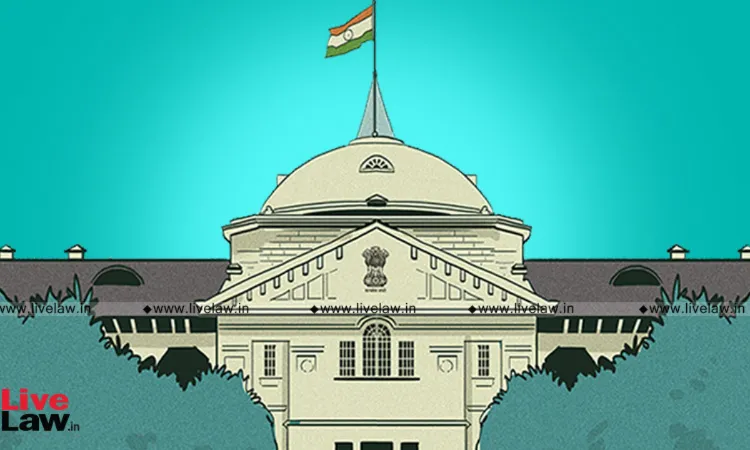
The Allahabad High Court has mandated 24/7 armed security for Haseen Khan following a religious dispute in Bareilly, Uttar Pradesh. This decision comes in light of allegations that Khan was prevented from offering Namaz inside his private residence.
In a significant ruling, the court directed that two armed guards accompany Haseen Khan wherever he goes until further orders. Justice Atul Sreedharan emphasized, “Any incident of violence that afflicts him or his property shall be prima facie understood to have occurred at the instance of the State.” This statement underscores the court’s commitment to safeguarding the constitutional rights of individuals to practice their religion freely.
The controversy traces back to an incident on January 16, 2026, when a group allegedly attempted to offer Namaz inside Khan’s home. Following this, a petition was filed by Tarik Khan seeking permission for religious gatherings during Ramadan. The court ruled that no prior state permission is necessary for such gatherings within private property, provided they do not extend onto public roads or spaces.
Haseen Khan has alleged that he was detained by police while praying at home with family members and was coerced into signing a document he could not read due to illiteracy. This situation has raised serious concerns about the treatment of individuals exercising their religious rights.
In a previous ruling, the court had issued contempt notices to Bareilly District Magistrate Avinash Singh and Senior Superintendent of Police Anurag Arya for their interference in prayer activities. The court has summoned both officials to appear in person on March 23, 2026, and indicated that failure to comply could lead to the issuance of non-bailable warrants.
The matter has been listed for final orders on March 23, 2026, at 2:00 PM, as the court continues to address the implications of this case on religious freedoms in the region. Observers are keenly awaiting the court’s final decision and the potential ramifications for local authorities.
Details remain unconfirmed regarding the broader implications of this ruling on similar cases in the future, as the court balances the enforcement of law with the protection of individual rights.