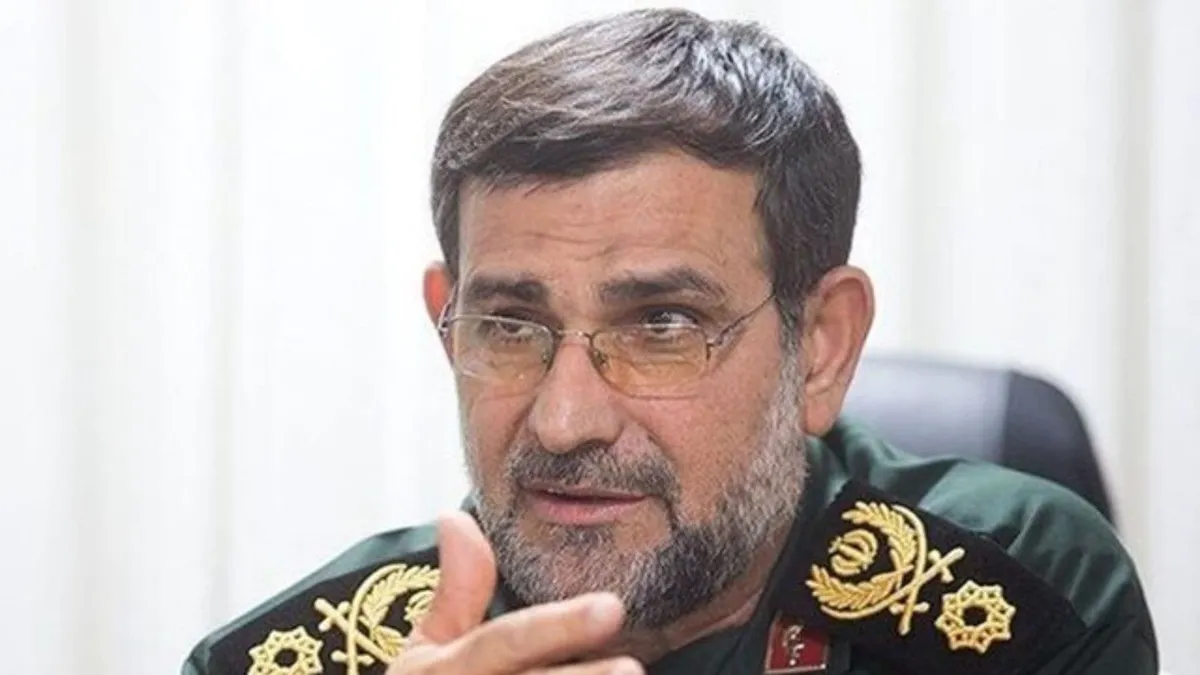
Before the early hours of March 26, 2026, Alireza Tangsiri was a formidable figure in Iran’s military landscape, having led the Islamic Revolutionary Guard Corps’ Navy since August 2018. His aggressive maritime tactics and threats against U.S. facilities in the region had positioned him as a central player in Iran’s naval strategy, particularly concerning the vital Strait of Hormuz, through which one-fifth of the global oil and gas trade flows.
However, at 3 a.m. local time, everything changed when Tangsiri was killed in an Israeli airstrike in Bandar Abbas. This decisive moment not only removed a key leader from the IRGC but also marked a significant escalation in the ongoing conflict across West Asia. His death has sent shockwaves through the region, prompting immediate reactions from both Iranian and Israeli officials.
In the aftermath, Tangsiri’s absence is felt acutely within the IRGC, which had seen a major buildup of naval capabilities under his command. He was known for directing attacks on oil tankers and commercial vessels using drones and maritime mines, tactics that had heightened tensions in the Gulf. His leadership had been instrumental in efforts to restrict movement through the Strait of Hormuz, a strategic chokepoint for global energy supplies.
Israeli officials have noted that Tangsiri was ‘responsible for the closure’ of the Strait, and his death is seen as a crucial development for Israel’s military strategy. Prime Minister Benjamin Netanyahu stated, “We continue to strike the targets of the Iranian terror regime with force,” indicating that this strike is part of a broader campaign against Iranian influence in the region.
Moreover, Tangsiri had threatened retaliation against U.S. facilities, asserting that oil facilities associated with America would now be targeted with full force. This shift in rhetoric underscores the potential for increased hostilities in the region, as Iran may seek to respond to this significant loss.
Experts suggest that the killing of Tangsiri could alter the dynamics of naval operations in the Gulf, potentially leading to a power vacuum within the IRGC Navy. The impact of his death on the ongoing conflict remains unclear, and details surrounding the circumstances of his death have not been independently confirmed by Iran.
As the situation unfolds, the international community watches closely, aware that Tangsiri’s death could lead to further escalations in military engagements between Iran and its adversaries. The strategic implications of this event are profound, as it not only affects Iran’s naval capabilities but also the broader geopolitical landscape of the Middle East.
In this tense environment, the role of the United States and its allies will be critical in navigating the aftermath of Tangsiri’s death. Israeli officials have indicated that this development could help to reopen the Strait of Hormuz, a crucial maritime route for global trade.
As the dust settles, the ramifications of this strike will likely resonate throughout the region, shaping the future of Iran’s military strategy and its confrontations with both Israel and the United States.