Before the Attacks
Prior to the recent escalation, Abu Dhabi was considered a relatively safe haven in the Middle East, attracting a large expatriate community, including approximately 3.5 million Indian nationals. The UAE had been part of a coalition intervening in Yemen against the Houthis since 2015, but the conflict had largely remained distant from its borders. The region was characterized by a sense of stability, with the Indian Embassy actively supporting its citizens abroad, ensuring their safety and well-being.
The Decisive Moment
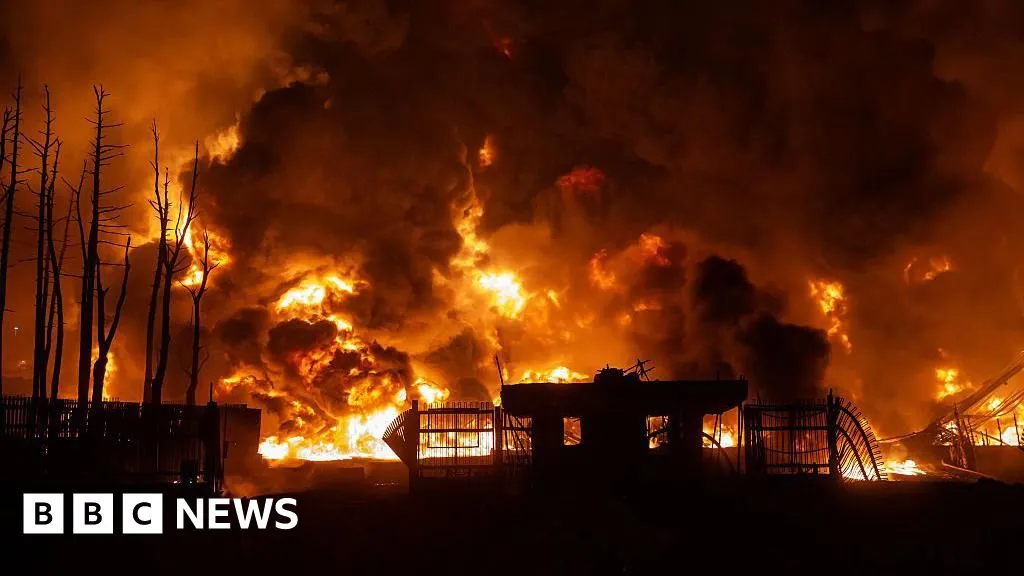
However, this perception changed dramatically with the launch of eight ballistic missiles and 26 drones aimed at the UAE on March 10. The UAE Ministry of Defence reported that most of these missiles and drones were intercepted, but the attacks still resulted in injuries and damage. Two individuals were injured by falling debris in Abu Dhabi, and since the first strike on February 28, six people have lost their lives in the UAE due to the ongoing conflict.
Immediate Effects
The immediate aftermath of the attacks saw a family from Rajasthan returning to India, expressing their terror at witnessing smoke rising from the missile and drone strikes. Madan Gopal Baheti, a family member, stated, “We were terrified to see smoke rising from missile and drone attacks in Abu Dhabi and Dubai.” This sentiment reflects the growing anxiety among expatriates as the situation escalates. The Ruwais refinery, one of the largest in the world processing 800,000 barrels of crude oil daily, was shut down due to a drone attack, raising concerns about energy supply and economic stability in the region.
Expert Perspectives
Experts have noted that the recent attacks signify a shift in the conflict dynamics in the region. The Houthis, who have been launching attacks on the UAE, are demonstrating a capability that poses a direct threat to the country’s infrastructure and civilian safety. The situation has prompted the American Embassy in Abu Dhabi to remain closed due to safety concerns, further highlighting the gravity of the threat. One observer remarked, “Nine drones are landing inside your country. In one day. After eleven days of this,” emphasizing the scale and frequency of the attacks.
Impact on Civilians
The attacks have not only affected the physical landscape but have also instilled fear among the civilian population. Raunak, a family member of those affected, expressed gratitude towards the Indian government for assisting them during this crisis. The Indian diaspora, which has a strong presence abroad, is now facing heightened risks as the conflict unfolds. The emotional toll on families caught in this turmoil is significant, as they navigate the complexities of safety and security in a foreign land.
Looking Ahead
As the situation develops, uncertainties remain regarding the extent of damage to the Ruwais refinery and the timeline for its restart. Details remain unconfirmed, leaving many to speculate about the long-term implications for the UAE’s economy and security. The ongoing conflict in Yemen continues to reverberate throughout the region, raising questions about future stability and safety for residents and expatriates alike.
The recent abu dhabi missile attack marks a pivotal moment in the ongoing conflict, reshaping perceptions of safety and security in the UAE. As the region grapples with the implications of these attacks, the impact on civilians and foreign nationals will be closely monitored, highlighting the interconnectedness of global security and local stability.