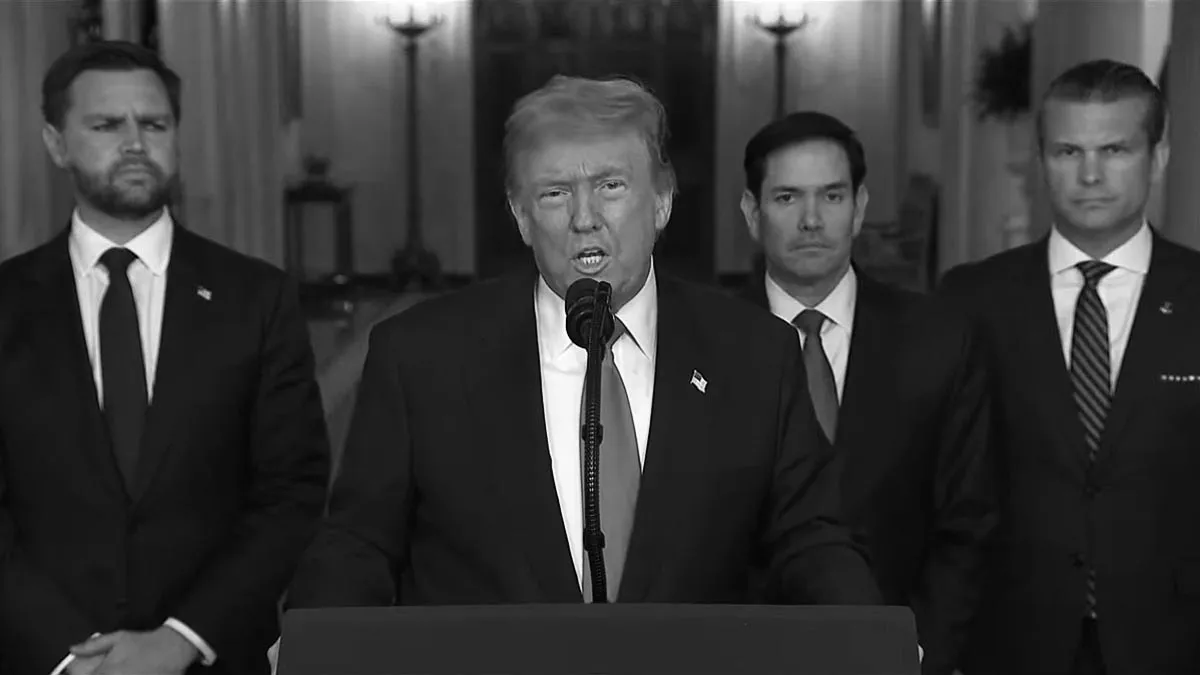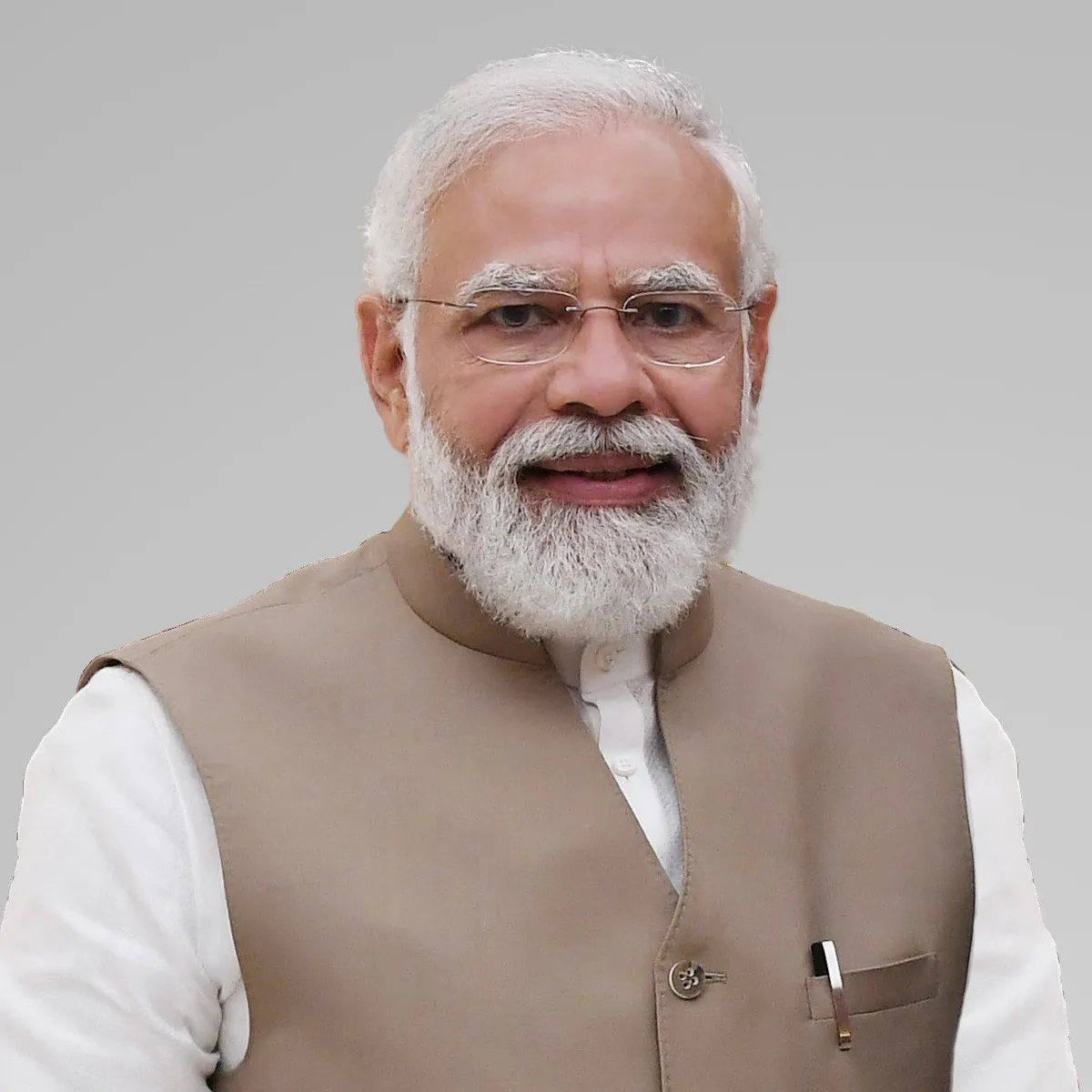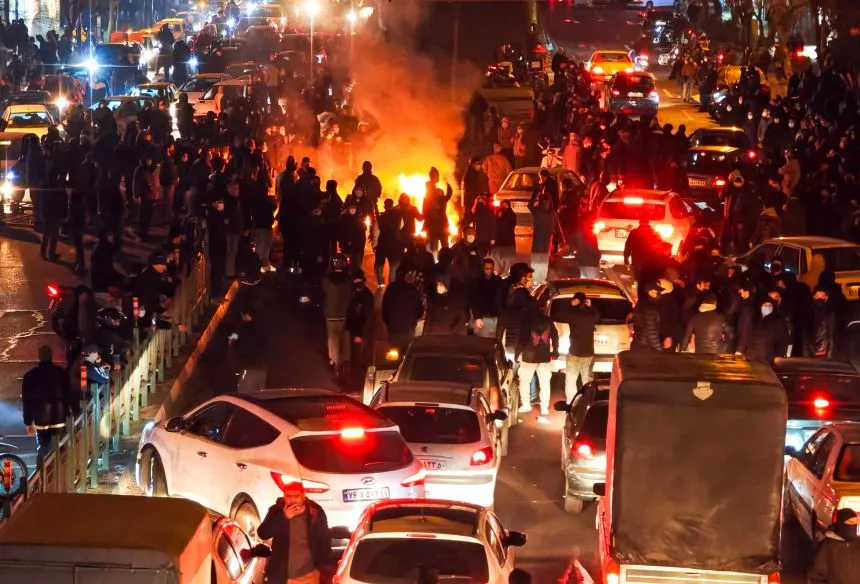
“Iran wants to make a deal so badly,” declared former President Donald Trump, a statement that reverberated through the halls of power as the world watched the unfolding chaos of the 2026 Iran War. This conflict erupted on February 28, 2026, following a series of dramatic events that have left the region in turmoil and the global community on edge.
The assassination of Ali Khamenei, a pivotal moment in the conflict, was executed as part of a broader strategy aimed at decapitating the Iranian regime’s command structure. In the wake of this shocking act, Mojtaba Khamenei ascended to the position of Supreme Leader, inheriting a nation on the brink of war. His leadership has been marked by aggressive military responses, including ballistic missile and drone strikes targeting Israeli cities and U.S. bases in the Gulf.
The geopolitical landscape has shifted dramatically, with unprecedented operational coordination emerging between Gulf monarchies, the United States, and Israel. This alliance has demonstrated overwhelming military superiority, yet Iran continues to pose a significant threat, retaining the capacity to impose costs on its adversaries. Oil prices have surged past $120 per barrel, reflecting the heightened tensions and fears surrounding the Strait of Hormuz, a critical chokepoint that carries about 25 percent of the world’s oil.
Despite the escalating conflict, Iran has firmly rejected U.S. terms for negotiations, demanding reparations and guarantees of sovereignty over the Strait of Hormuz. “No negotiations have been held with the United States,” stated Mohammad Bagher Qalibaf, underscoring the deepening rift between the two nations. The U.S. has responded by deploying tens of thousands of additional troops and multiple carrier strike groups to the region, signaling a commitment to safeguarding its interests.
As the conflict progresses, it risks devolving into a protracted war of attrition, with neither side willing to abandon the fight. Benjamin Netanyahu, the Israeli Prime Minister, has made it clear that “We will continue to strike Iran and safeguard our vital interests under all circumstances.” This determination reflects a broader strategy aimed at countering Iranian influence in the region, yet it raises questions about the potential for escalation and the long-term implications for regional stability.
Details remain unconfirmed regarding the effectiveness of the U.S. military strategy in achieving its goals, as well as Tehran’s willingness to negotiate. The Iranian regime has amassed a stockpile of uranium enriched to near-weapons-grade levels, with approximately 200 kilograms of 60 percent enriched uranium-235 stored in Esfahan, further complicating the already tense situation.
As the conflict enters its fourth week, the international community watches closely, uncertain of the next steps. The U.S. has issued an ultimatum, giving Iran 48 hours to open the Strait of Hormuz, a move that could have dire consequences for global oil supplies. The world holds its breath as the situation continues to evolve, with the potential for further escalation looming large.
What observers say
Amidst the chaos, voices from various corners of the globe express concern over the implications of the 2026 Iran War. Observers warn that the conflict could reshape the strategic equilibrium of West Asia, leading to unforeseen consequences that may extend far beyond the region’s borders. As tensions remain high, the path forward remains fraught with uncertainty, with both sides entrenched in their positions and unwilling to yield.