Current Fuel Prices in India
As of March 12, 2026, fuel prices in India have shown notable stability, particularly in the capital city of Delhi. The price of petrol stands at ₹94.77 per litre, while diesel is priced at ₹87.67 per litre. This stability has been attributed to government policies and the absorption of costs by oil marketing companies (OMCs), which have managed to keep prices steady for over six months.
Recent Changes in LPG Pricing
On March 7, 2026, there was a significant increase in the price of domestic liquefied petroleum gas (LPG), which rose by ₹60, bringing the cost for a 14.2 kg cylinder to ₹913.00. The commercial LPG price also saw an increase, now costing ₹1,884.50 for a 19 kg cylinder. These changes reflect ongoing adjustments in the energy market, which can have direct implications for household budgets and overall inflation.
CNG and Its Role in Urban Air Quality
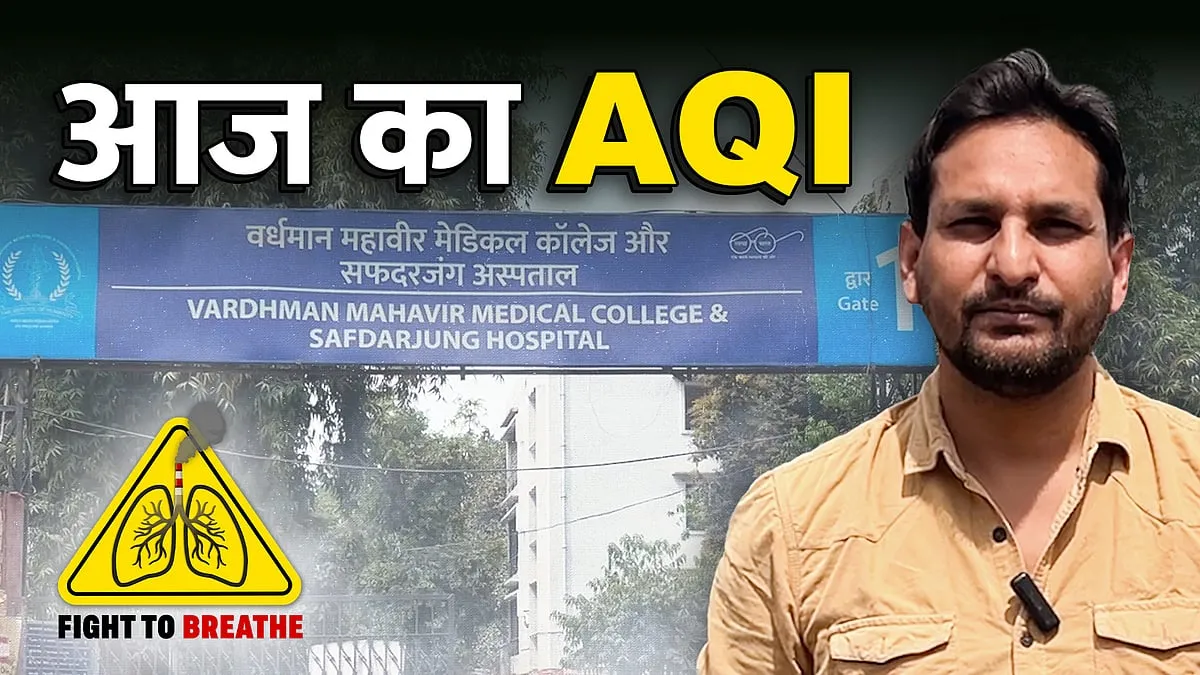
Compressed natural gas (CNG), another crucial fuel option, is currently priced at ₹77.09 per kg in Delhi. CNG is often promoted as a cleaner alternative to petrol and diesel, and its use is encouraged to improve urban air quality. The government has been pushing for a transition to cleaner fuels to combat pollution, particularly in metropolitan areas where air quality has been a growing concern.
Gold Prices Amidst Fuel Price Trends
In a related economic context, the price of gold has also been a point of interest. As of March 2026, the price of 24K gold in Delhi is ₹16,237 per gram, while 22K gold is priced at ₹14,885 per gram. Fluctuations in gold prices can often reflect broader economic conditions, including those influenced by fuel price changes and inflationary pressures.
Implications for Consumers and the Environment
The current state of fuel prices and the recent increase in LPG costs are significant for consumers across India. As fuel prices directly impact transportation costs and the price of goods, any fluctuations can lead to broader economic implications. Additionally, the push towards cleaner fuels like CNG is essential for improving air quality, which remains a critical public health issue.
Looking Ahead
As the government continues to navigate the complexities of fuel pricing and environmental concerns, the stability of petrol and diesel prices will be closely monitored. The recent adjustments in LPG pricing may signal further changes in the energy market, which could affect consumer behavior and energy consumption patterns in the coming months.
The interplay between fuel prices and air quality in India is a crucial topic that affects millions. With current petrol and diesel prices remaining stable, the recent increase in LPG costs highlights the ongoing challenges in the energy sector. As consumers adapt to these changes, the government’s role in promoting cleaner fuels will be vital for improving urban air quality and ensuring economic stability.